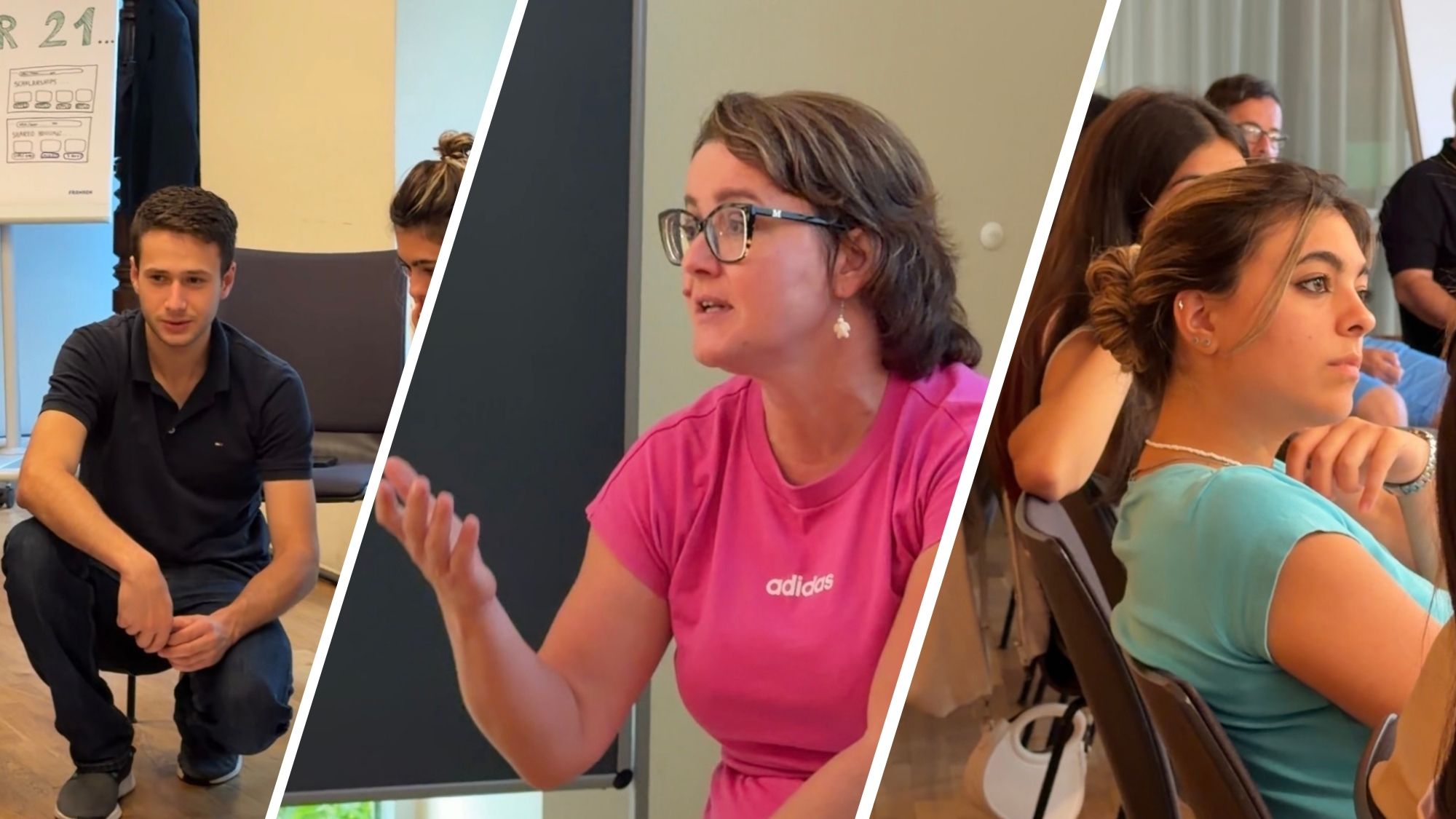
What does creating something with your hands mean to you? This was the question posed to women standing at the end of their Batik class journey, women who had been displaced, uprooted, and forced to rebuild their lives from uncertainty. For many, the answer was not only about art. It was about reclaiming purpose, restoring confidence, and remembering that they still have the power to create beauty.
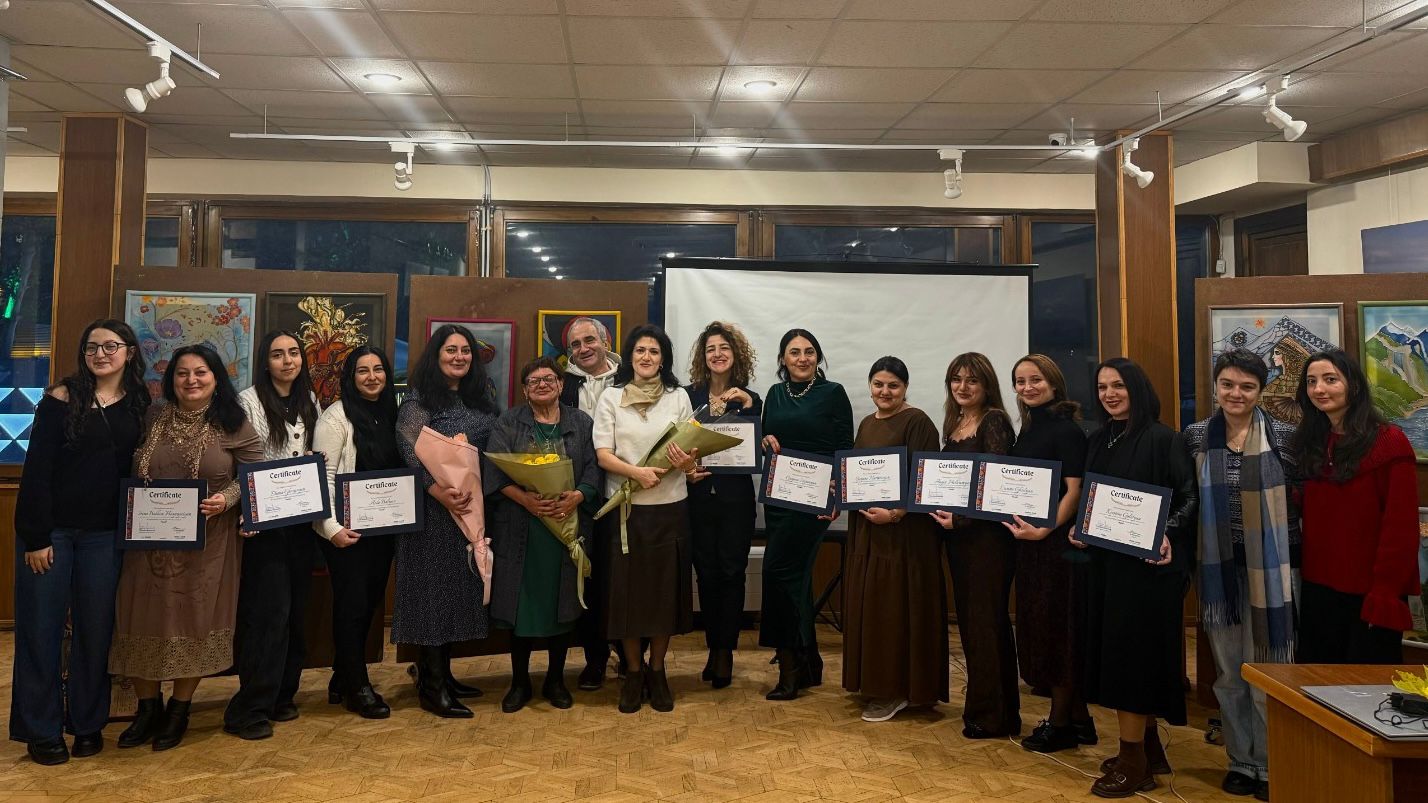
On December 15, 2025, the Roots & Next Foundation hosted the graduation ceremony of the Batik art classes at Tekeyan Center, marking the completion of yet another creative and healing journey for displaced women. This was the fourth art class organized by the YMCA Roots for Peace Program through the Roots & Next Foundation, a celebration not only of finished textile pieces, but of resilience, growth, and community.

The ceremony commenced with a welcome speech from the Roots & Next Foundation team, followed by the instructor Nadezhda Sargsyan. “I am very proud of this group and for giving them creative freedom since the beginning of this course,” remarks Nadezhda.
The Batik classes were designed with a clear purpose: to provide a safe space for women to express themselves, reconnect with their community, and discover a new skill that could one day become a source of income. Beyond technical training, the program also aimed to modernize Armenian patterns, breathing new life into traditional designs so they could be woven into everyday life.
For two months, 11 women diligently attended classes under the guidance of instructor Nadezhda Sargsyan led at the Artsakh Artisan’s Center. Step by step, they mastered the art of Batik: wax-resist dyeing, color blending, and intricate pattern creation.
Participants learned nuances and techniques that would have taken years to discover through self-teaching. The structured approach and expert mentorship turned curiosity into confidence, and uncertainty into creation.
For Shushan Hakobyan, who is studying to become a clothing designer, the Batik classes opened new creative possibilities: “The Batik technique gives me the skills to create my own patterns, ones that do not exist yet and are truly my own.”
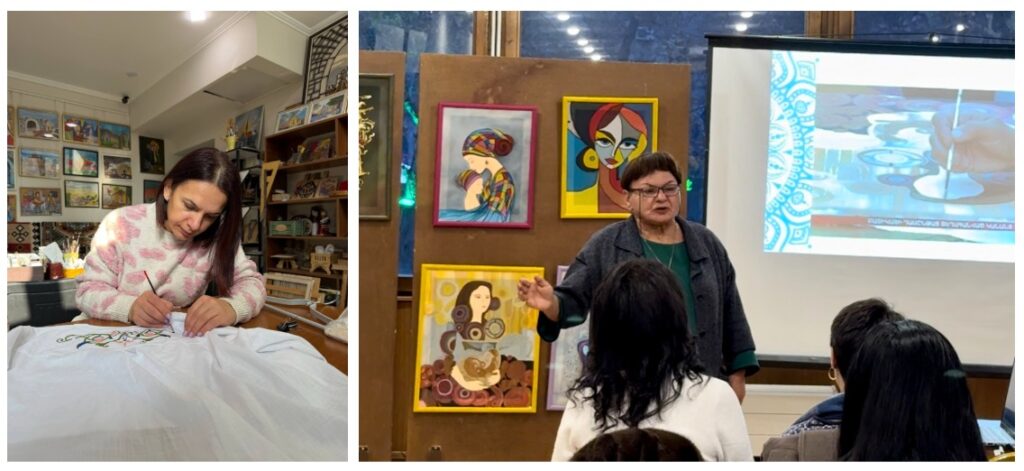
Another participant, Kristina Stepanyan, reflected on the emotional meaning of the process: “Creating something with my own hands means expressing my emotional state. It means peace.”
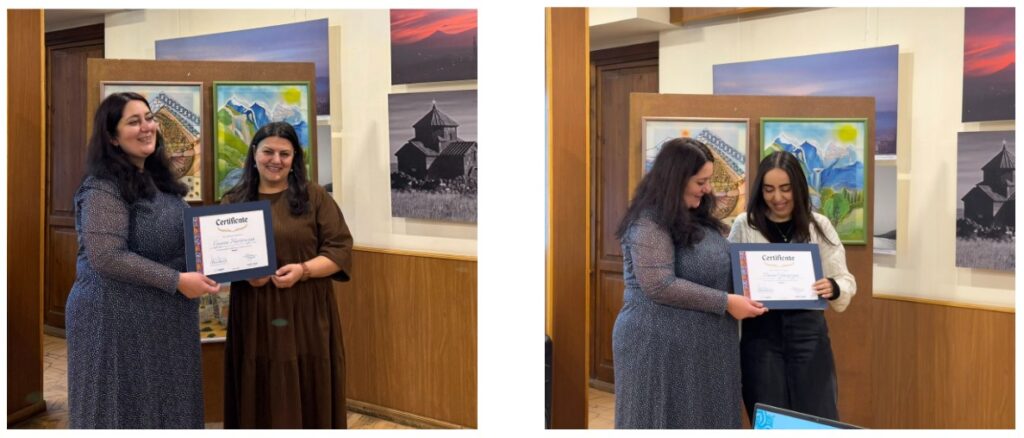
The ceremony proceeded with handing certificates of competition for their diligent work. The director of the Artsakh Artisans Center Irina Tamrazyan closed the event with words of gratitude addressed to the organizational process, participants, and the support of the YMCA Roots for Peace program.
“With your support we were able to make this course a reality. This is an essential step for our artisans to start their own businesses. We have already received orders and are proud to know that the skills obtained will help the women generate income and support their families.”
At its heart, this initiative is about more than teaching a craft. It is about bringing peace to those who need it most: people from displaced communities, people who have lived through conflict, people rebuilding their lives from fragments of uncertainty. Through color, pattern, and creation, these women rediscovered not only their artistic voice but also a sense of calm and hope. And that is the true meaning of Roots for Peace.
TV coverage of the Batik masterclass can be viewed here.