Be a voice, not an echo

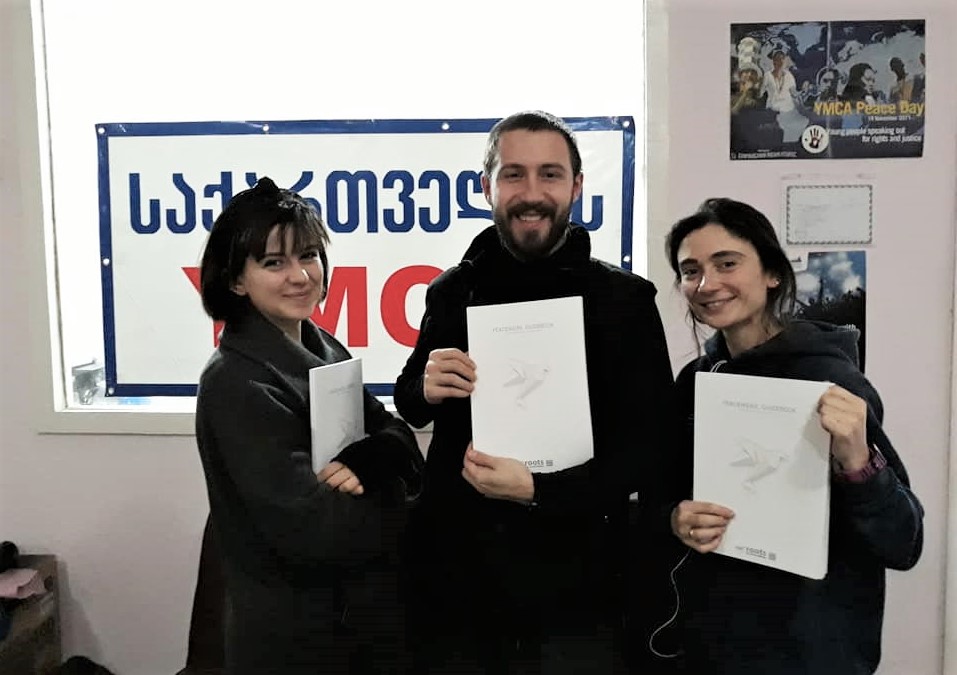
Peacework Guidebook has been translated into Croatian!

A know-how toolkit of The Roots project, Peacework Guidebook has been published as YMCA celebrated its 175th anniversary. Subtitled “Peace Roots: From Seeds to Fruits”, the resource was always intended to be available and easy to use for a wider public, therefore we decided to translate it into one of the local languages chiefly used in the Western Balkans (Bosnian/ Croatian/ Serbian/ Montenegrin), and finally, it is done!

“The Croatian edition of the Peacework Guidebook before you, just like the project that has brought its original version to the light of the day, is a result of peace activists’ collaboration. We consider it very important to note that it, as is often the case with peacebuilding ‘in the field’, has resulted from an actual individual cross-border initiative in the Western Balkans, a region abounding in both peacebuilding practice and expertise. This is why we consider the incentive of our peacebuilding peers and colleagues to have the Guidebook translated into the Croatian language primarily a professional acknowledgment.

Though essentially important for the future of any community, youth – as well as other vulnerable social groups’ – civic engagement in the field of peacebuilding is by rule not very high on the decision-makers’ agenda. However, it does by no means diminish the significance of youth activism in peacebuilding for the improvement of the quality of life in specific local communities by educating their inhabitants, facilitating their human rights exercise and protection, as well as their (self-)affirmation. The challenges faced by peace activists along the way are many and considerable. It may discourage even the most experienced, the most seasoned among them, let alone those at the beginning of their activist and/or professional journey. Bearing this in mind, we hope that this Guidebook will empower as many activists as possible by offering them an insight into the experience of their peers from other regions, as well as a relatively simply applicable set of peacebuilding tools and techniques.

With gratitude to the team of ShuraPublikacije for this edition, along with repeated thanks to YMCA Europe for the opportunity to shape our experience into this Guidebook back in 2019, we wish all its readers ‘on earth peace, good will toward humankind’ (Luke 2:14).”

Ankica Dragin and Wolfgang Heinrich

Authors of the Peacebuilding Guidebook

Our Peacework Guidebook is:

  • A reflection on the Roots’ history and development, key components, and activities;
  • A testimony of Roots participants’ impressions about the project and its impact on their lives;
  • A comprehensive summary of the unique know-how and all the tools that have been fundamental to the Roots’ peace work success;
  • A treasury of valuable references for peace practitioners and activists.

The Peacework Guidebook e-copy in Croatian consists of six parts and is available here:

Part one begins with a case study based on the Roots for Reconciliation (Previous title for actual Roots for Peace project) Project peacebuilding experience. It focuses on the project’s best practices and know-how, particularly its Peace Work Institute. We hope it will inspire individuals, organizations and institutions interested in and –  more importantly – implementing conflict transformation and peacebuilding projects with young activists worldwide to learn from our Europe-wide practice.

In the second part, the Guidebook offers an overview of the knowledge and skills the Peace Work Institute participants acquired and later applied in cross-border ‘homework’ projects of their own design. These projects were implemented in their respective regions and communities, using their own resources.

While the third part shares the Peace Work Institute participants’ and stakeholders’ personal stories, part four provides a brief statistical overview of their learning, activism, and professional journey.

The Guidebook ends with a comprehensive list of resources with references to practical training and activity tools used in the Peace Work Institute curriculum design and implementation.

In the words of Nelson Mandela: “It always seems impossible until it is done!” The Peace Work Institute people – its participants, staff, and various contributors – are living proof of these inspiring words.

We hope this Guidebook will inspire its readers to action. Feel free to share it and let us know about your experience with it.

See more here:
Croatian version

English version

Memories for a Better Future…

There were many turning points in the history of mankind that inspired hope that the worst was left behind and the times of irreversible progress, coexistence and peace have finally arrived.. Yet, every time and unfortunately rather soon, these hopes were dashed and relinquished… And if to single out one such occasion, the aftermath of the Second World War probably is the most vivid example – expected to herald and safeguard the peace that generations longed for, the world promptly descended into a state of discord and division that lasted for many years to come and the crisis we are living through on our continent now is a loud echo of lessons never learnt…
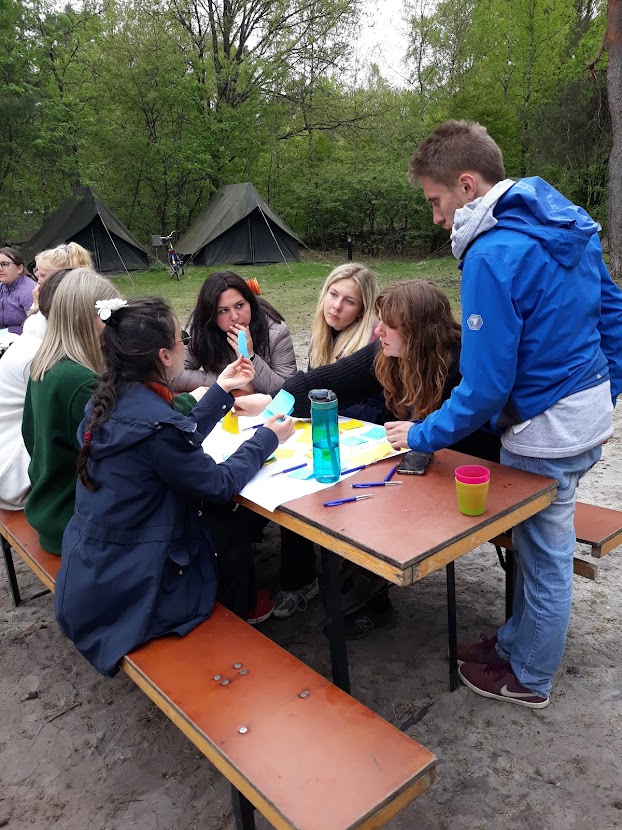
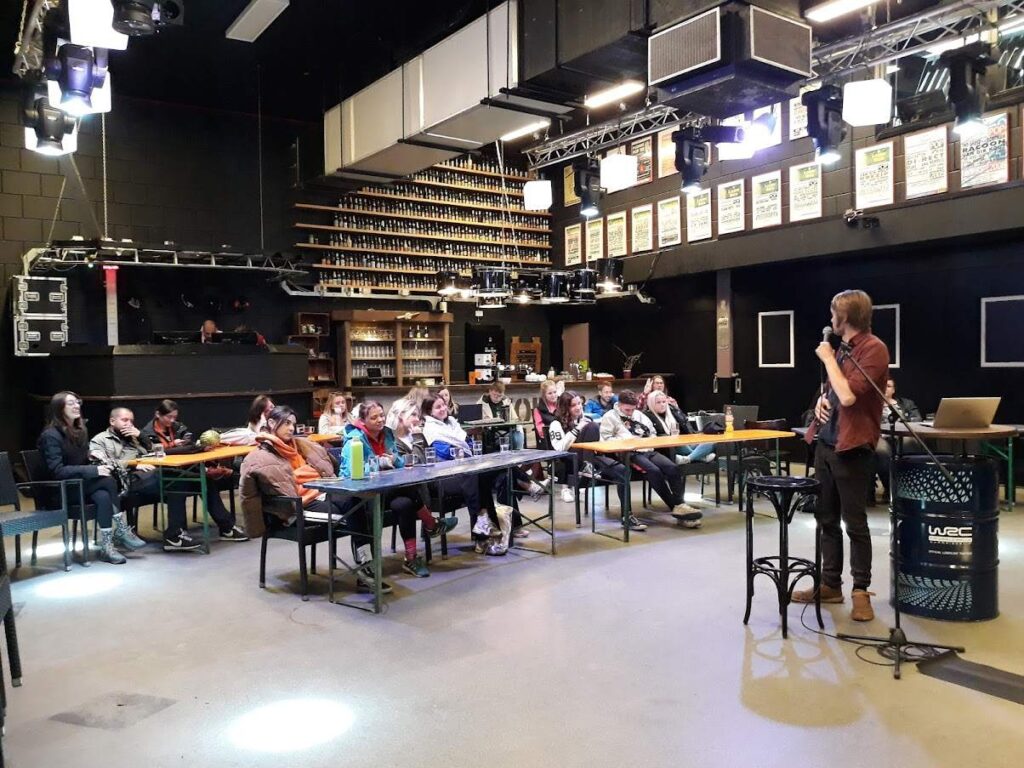
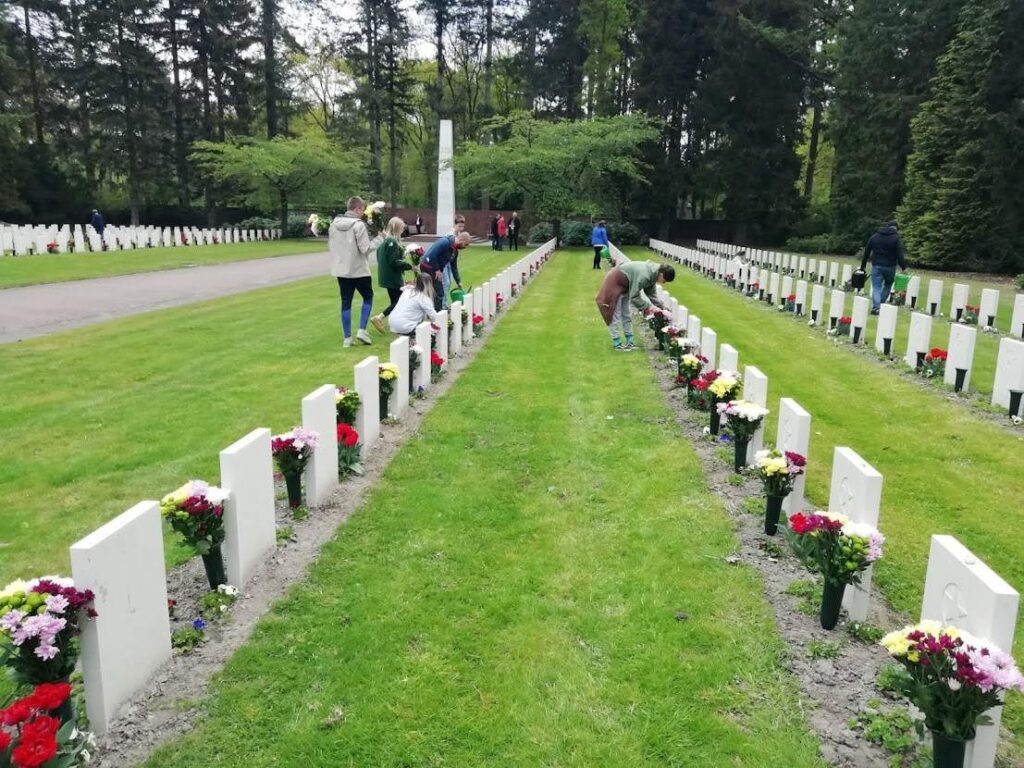
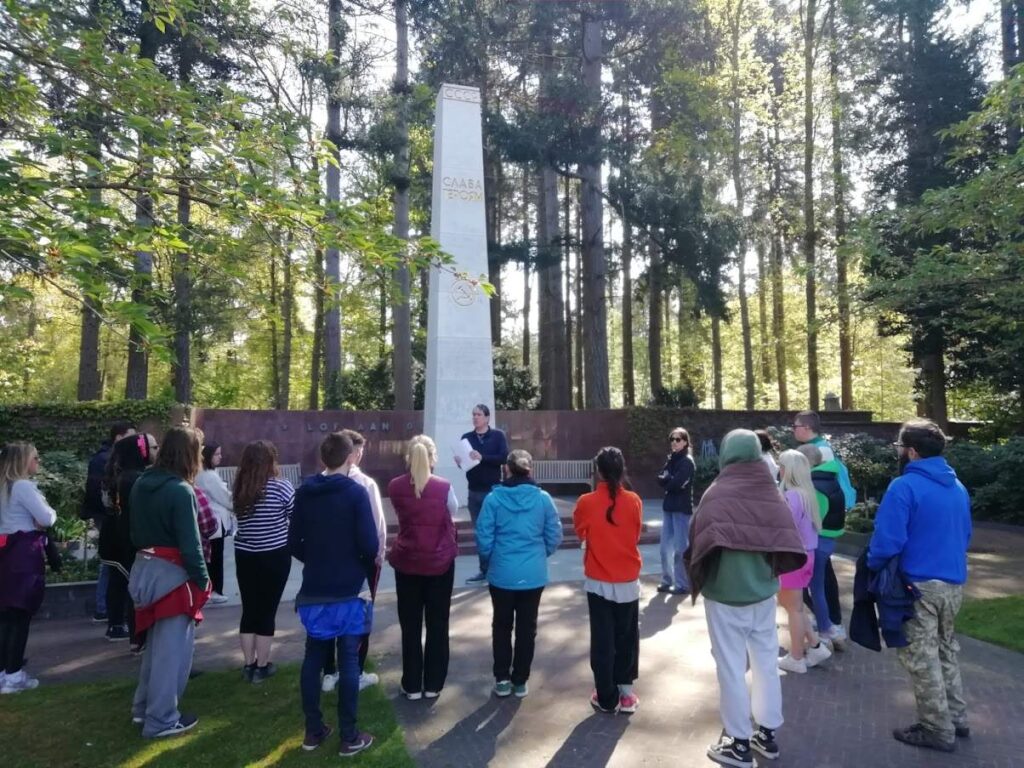
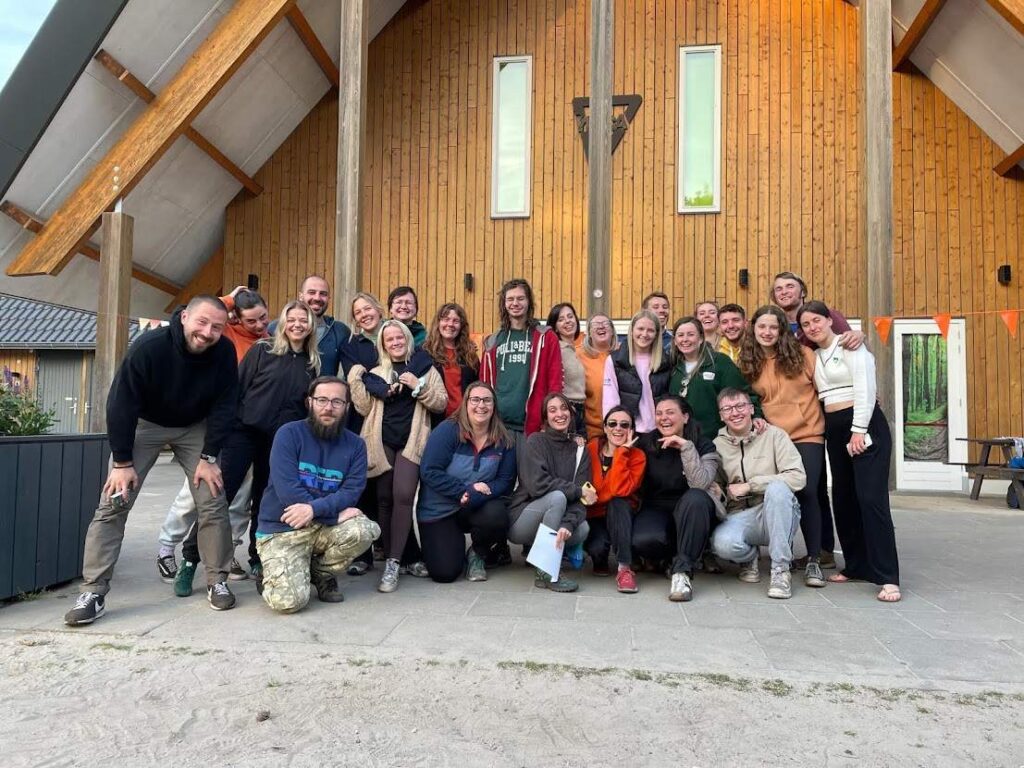
Roots Tandem Project “Then, Now, Later: Towards Composite Memory” held in YMCA Camp Leusden, Netherlands was an endeavor to revisit and evaluate the past in order to find solutions for the present and the future. 25 Participants from France, Georgia, Ireland, Kosovo, Netherlands, and Scotland have spent between April 30th and May 7th, 7 days together engaged in “…a wide array of activities with the theme of commemoration as a central point and to create the bond of trust between young people that transcends the borders and enhances the sense of solidarity among them”.

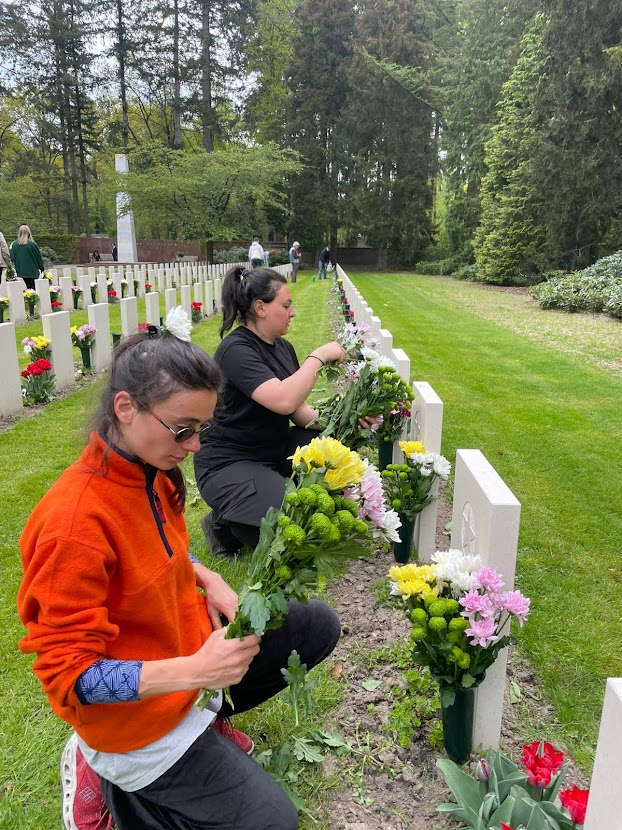
Tragic shared past and specifically The Soviet Soldiers Cemetery  in Leusden, Netherlands were the major discussion and reflection point of the program – several visits to the site to learn about the stories and fate of hundreds of initially unnamed Second World War soldiers from the Soviet Union that found the final resting place in the Netherlands and the subsequent strive of one individual, Remco Reiding that dedicated his life to identifying and finding descendants of those that never managed to return home…

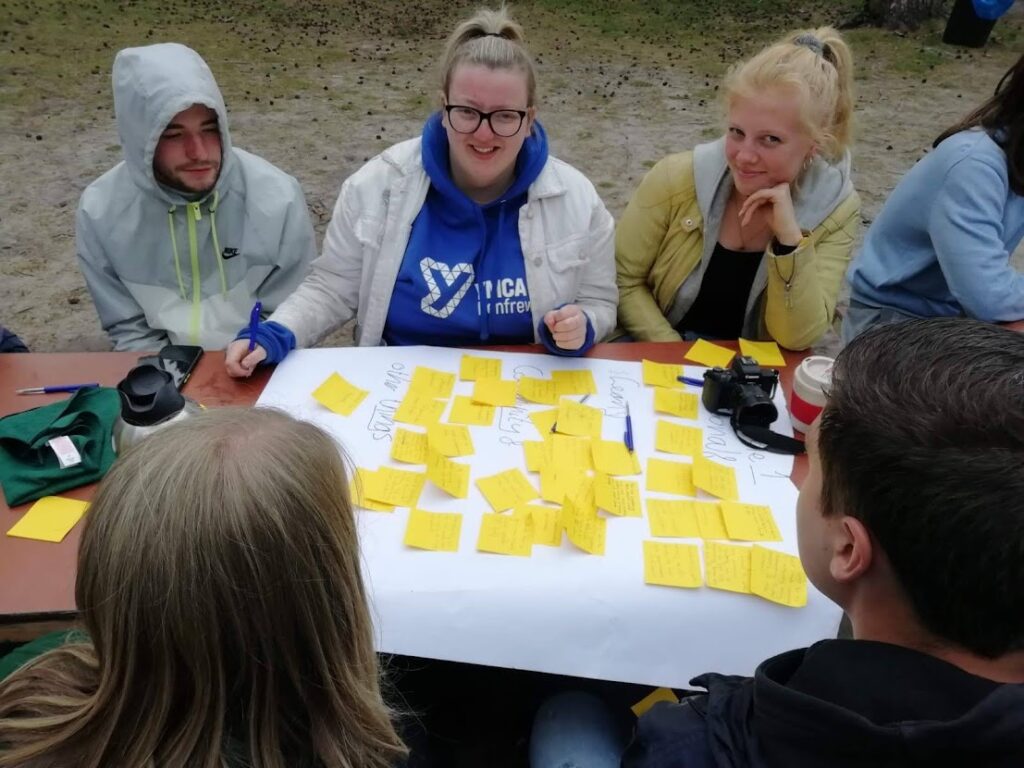
Creation of an innovative product dedicated to commemoration of the past and to peace was another program component that kept participants working together throughout the week – with results truly living up to the expectations; Various workshops, outdoor games and activities prepared by each national delegation and the intercultural evening were another big highlights of the program that lasted full seven days, but left all involved craving for more time.

There was still time to explore nearby charming towns of Amersfoort & Utrecht and for 2-day digital interactive sessions to involve participants from Ukraine, Belarus and Russia that were originally supposed to be present at the activity venue, but were unable to do so due to the conflict in Ukraine and related restrictions. Roots for Peace Online Hangout and YMCA Kosovo Roots Peace Award Winning Project“e-bridge” also featured on the other side of the screen to give those in the Netherlands a deeper insight of what our project is and does.

Overall, a new and impactful experience for young people that admittedly do not reflect much on the past and look mostly ahead – a clear catalyst for change and action, because as one participant remarked: “we need to know our past well in order to build a better future!”

The Bridge

But how can something that is meant to divide people, become the connector? 

While speaking about solidarity and unity, the last location that might occur in one’s mind is the border post, as since the inception of times, borders were administrative units that served the purpose of separating, not connecting; however, this story tells how something that was meant to divide people, became the connector by the power of humanity.

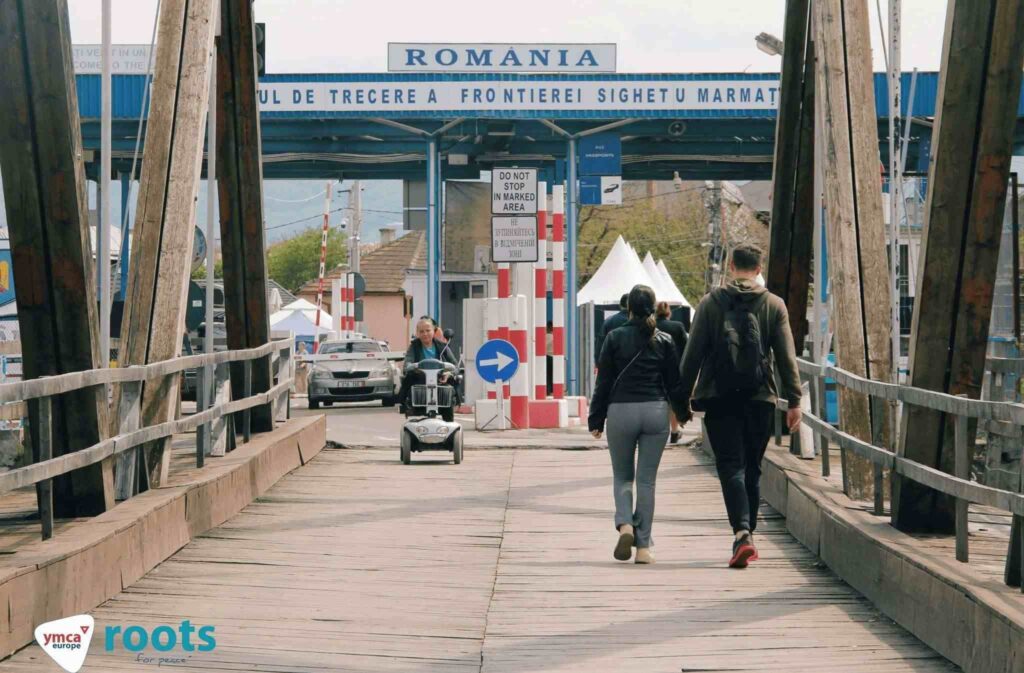
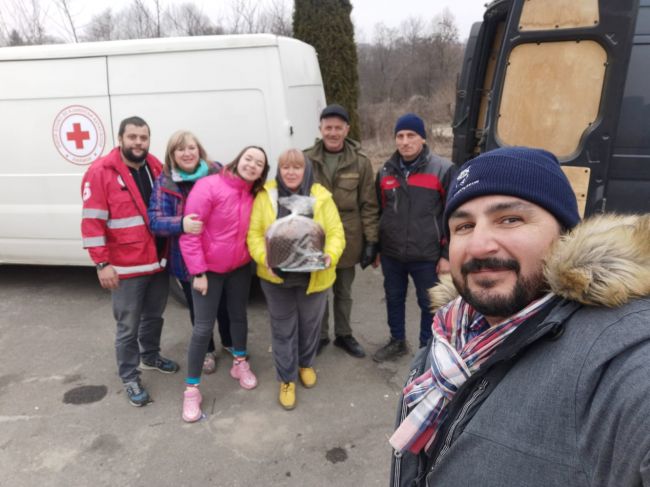
At the border check-point between Ukraine and Romania, there was an old wooden bridge dividing the two countries from one another.
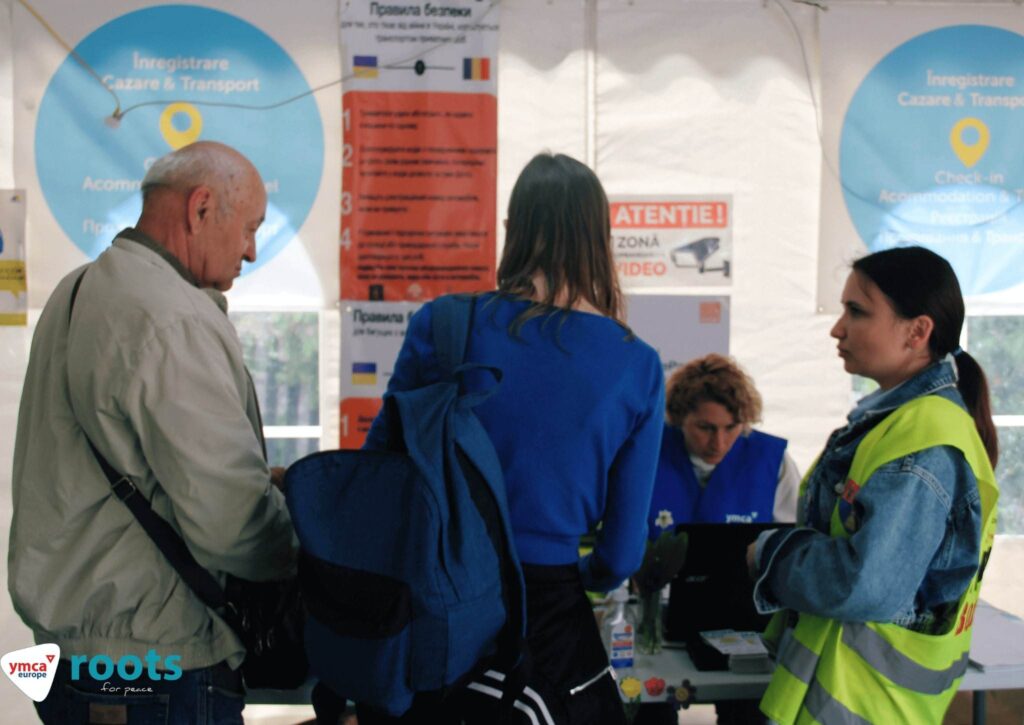
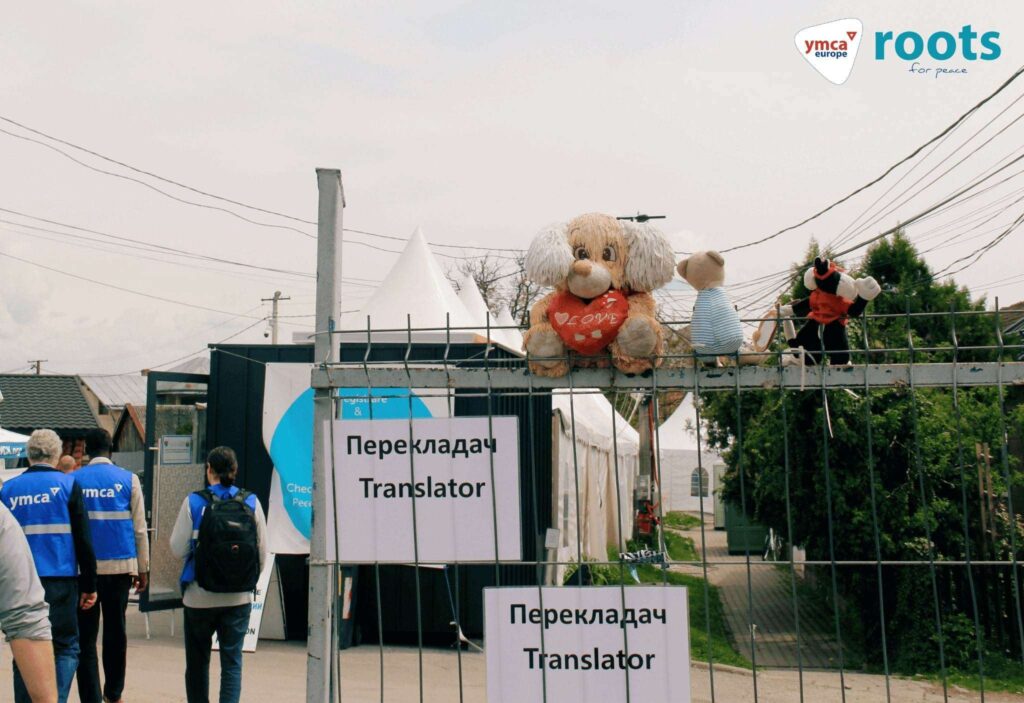
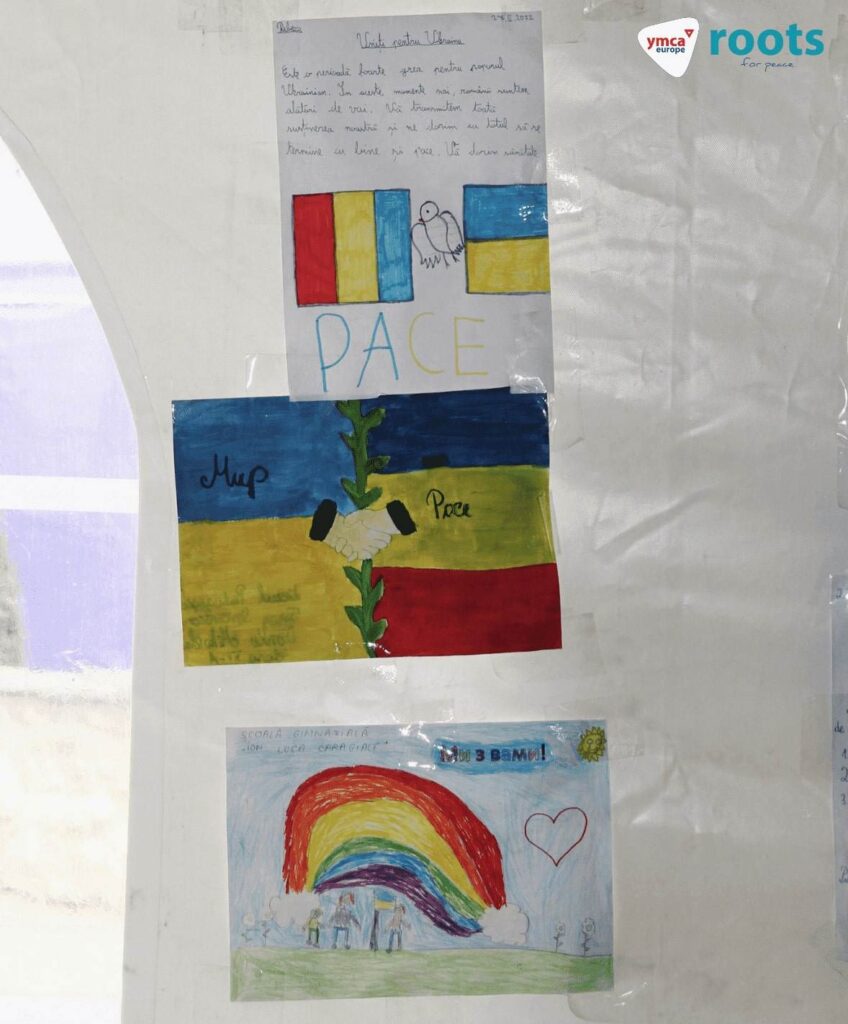
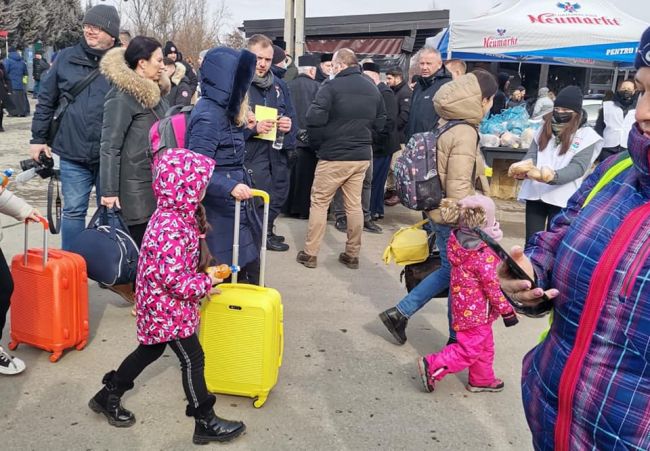
Since the 24th of February, this old wooden bridge has been crossed by tens of thousands of refugees who had left their lives behind, running with small bags and heads full of fear.

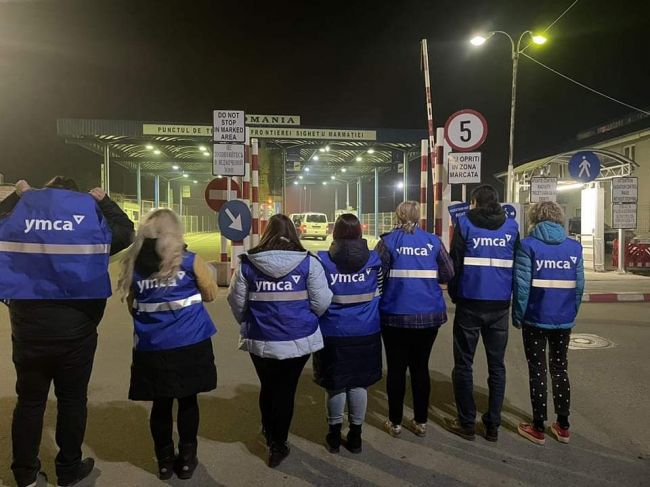
Since the 25th of February, YMCA Volunteers have been standing on the other side of the bridge, waiting for friends they had never met before with a smile on their faces and arms wide open for a hug.

Around twenty young volunteers from YMCA Baia Mare, Romania created task groups operating at the Ukrainian border, providing help for those in need.

“We arrived here as fast as we could, I think it was the 25th of February. Our initial task was to assess the needs of the youth workers at the border, providing refreshments and support during the long hours for the volunteers. Later we were able to register and create a tracking system in order to pinpoint the journey of every family coming over – a collective effort by all the NGOs.” Andy Tomsa, YMCA Romania, volunteer.

However, help provided by YMCA volunteers was crucial as it involves not only informational help, but also emotional support.

“We did not speak the same language, but we used all means to communicate with Ukrainians arriving at the registration stations. They were scared and confused, I did not need to speak Ukrainian to understand this. I did not know how to help them or make them feel better, I was only trying to listen to them and maybe offer a cup of warm tea. Sometimes, on the way back home we would see refugees without cars, of course, we would offer a ride to the town. I was amazed by how much they trusted us. Some of them still keep in touch with us, we became friends very fast” – Edina, a volunteer from YMCA Romania.

Indeed, a nameless old wooden bridge, a divider that was separating two countries from each other by the power of law, became a connector by the power of humane deeds. Alongside the road and in the registration tents, one can see toys left for children and supportive messages for refugees. It is heartwarming to see people who have just met holding hands, hugging, and caring about each other. At the border, one can see people with sad eyes, greeting with respect and care – and without special uniforms, it would have been very hard to tell who lived on which side of the border before.

YMCA continues its mission at the border and will provide help to those in need.

“When they (Ukrainians) go back home, I hope I will be here, so I can wish them a safe and peaceful way back home” – Bianca, 17 years old Volunteer from YMCA Romania.

Irina Berdzenishvili: From a Rooter to a Media Consultant

“My story in Roots started seven years ago. In 2015, I attended a ProFest which still is one of my most beloved YMCA memories. In 2017, I got the honor to join Peace Work Institute, and since then I have been actively involved in different projects and activities within the Roots.

There are things we do because it’s our job, and then there are things that we do because they are part of our lifestyle and a part of who we are. Roots came into my life when I was very young and I was still trying to figure out what my passion was and what I wanted to do in life. It shaped my vision and perception greatly. I have always felt supported here and I thought this was a great place to grow and learn. It stands close to my values and beliefs; therefore, every time I get involved in an activity in the framework of Roots, I feel like I am doing something that matters.  This feeling kept me with Roots.

In 2020, together with fellow Roots for Peace alumni and YMCA Georgia members we applied for the YMCA Europe Roots for Peace Award, which enabled us to organize camps for teenagers from different ethnic minorities and offer them a wonderful week at our beloved YMCA Georgia Camp Orange. Despite Covid19 and all the complications it brought, the project was a big success and I am proud of what we accomplished. I am also proud of the fact that the project continues (in a slightly altered form) and we see the result we were striving to achieve while communicating with our participants.

In 2008, my father went to Ukraine and after a few days, the war started in Georgia. His regular visit lasted longer than it was supposed to be. Then I remember the discussions about safety and that it would have been better if we all moved to Ukraine instead of him coming back to Georgia. My father is an ethnic Georgian but a citizen of Ukraine. When he talks, he calls Ukrainians “us” and Georgians “you”. I was concerned that if we all moved there, then there would be no reason to come back home and, I guess, I was afraid that one day I would also consider myself more Ukrainian than Georgian. So, I came up with millions of silly reasons, hoping I would convince my family to stay in Georgia.

In 2014 war started in Ukraine too and we have never discussed living in Mariupol for the sake of safety ever again; however, my attitude towards Ukraine also changed, and soon after getting friends there, I started considering it as my second home.

I did not spend much time in Ukraine but it has a special place in my heart. In my memories, Mariupol is the town that constantly smells like Roshen chocolate and provides safety. I knew how many people found shelter in this town and how its people welcomed everyone.

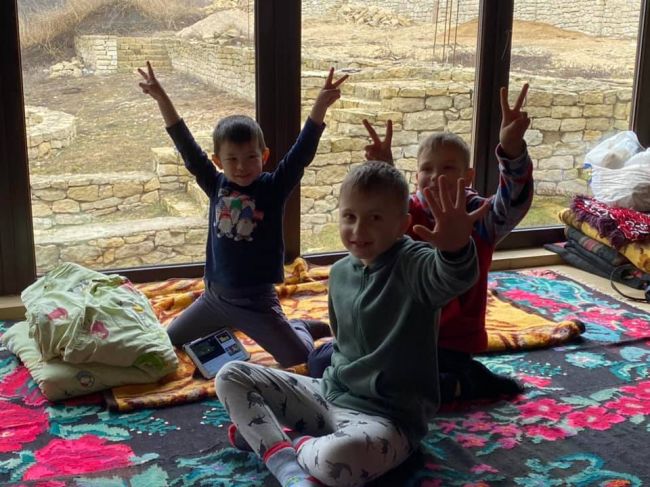
At the beginning of April, several families arrived in Tbilisi from Mariupol. Of course, they felt lost and confused, unaware of where they were and where they were going. Most of those people did not stay in Georgia for long, we helped them to depart to other European countries. At the moment, only one family remains with us. They have been good friends of my family for years now. It is a family of four people, young parents and two children, 9 and 3 years old.

One evening I was thinking about the current situation and I felt very weak, as I could not help anyone from here. I was thinking about what I could do, and mental health support was the first thing that came to my head.

As a person who has seen war and conflict situations multiple times, I know the war lasts longer than the period when bombs are falling from the sky. It stays in your head for years and takes away the peace and joy. I am aware of how dangerous PTSD can be based on my personal experience and based on multiple studies on this matter. After a conversation with Roots staff, we came up with a plan and aim to provide free mental health support for Ukrainians, in order to prevent PTSD and heal the trauma caused by the war. This will be done with the help of those amazing psychologists who have registered as volunteers.

I understand that thinking about mental health does not make much sense when you are in physical danger; however, this war will be over and we want people to know that we are here for them, and we can heal together and find a reason to smile. Now more than ever, it is crucial to stay emotionally strong and to remember that “Peace starts with a smile”

I’ll be working on “Heal the Smile”, hoping that it will serve its aim and heal as many souls and as many smiles as possible. Also, I’ll be providing proper media support for different projects and activities to the Roots team.

Apart from this, as a media consultant, I will try to promote peace and the values of Roots, and I wish to create visual and written materials presenting stories of peace, hope and life in general. My plan is to visit refugees and tell their stories, as I believe they have a lot to share with the world.”

Irina Berdzenishvili


“YMCA Prime for Peace”: Roots Peace Work Institute Tandem Project

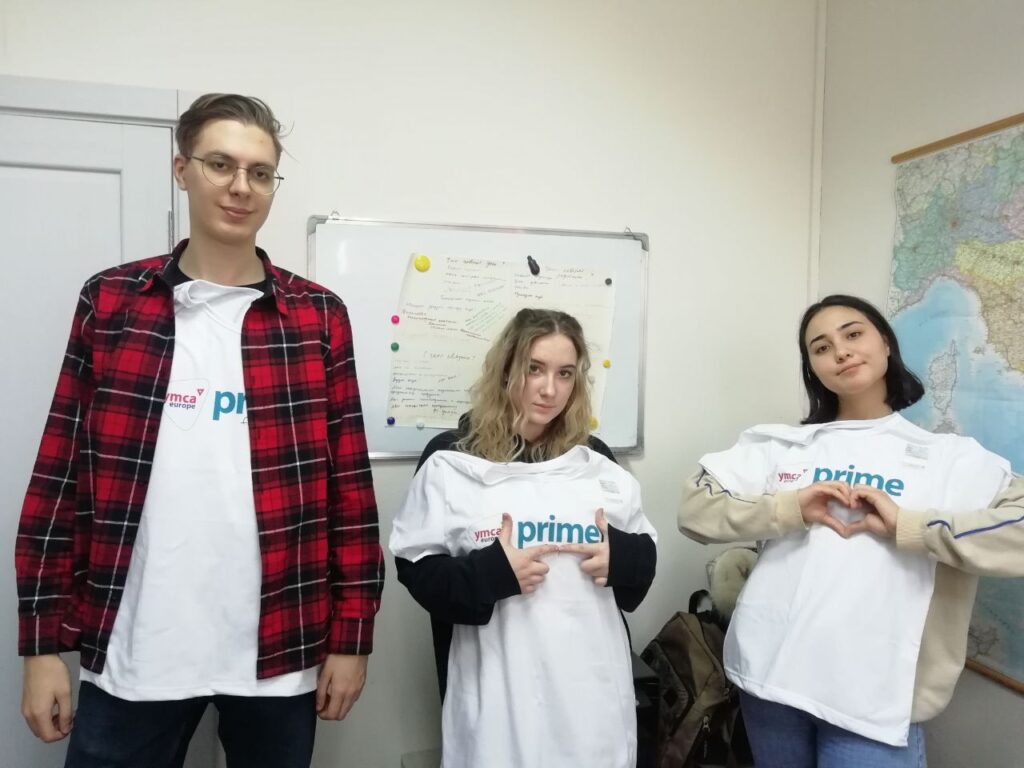
The first of the Roots Peace Work Institute Tandem Projects in 2022 has already been completed – YMCA Prime (Barnaul, Russia) implemented a study session for teenagers aged 12-16 during Spring Camp Programme on March 28 – April 03, 2022.
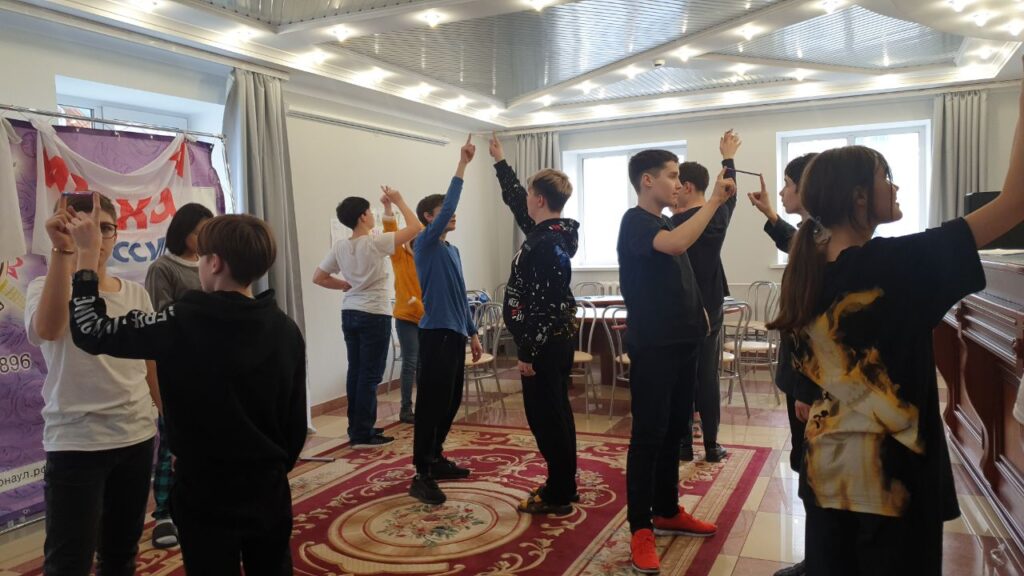
Aiming at empowering the young people with appropriate conflict-solving skills,  the organizers ensured to create and sustain a learning environment based on YMCA principles of empathy, nonviolence and creativity. The participants were involved in group work, panel discussions, real life situations, role plays and individual interviews.

The usage of theoretical and practical materials of the Peacework Guidebook & Do No Harm methodology provided specific tools for identifying better ways and programming options. It was anticipated that the training participants would become aware of conflict resolution as a problem-solving approach to conflict.  That definitely brought to the understanding of the dynamics of human compromise among conflicting groups and how to reach a mutual agreement.
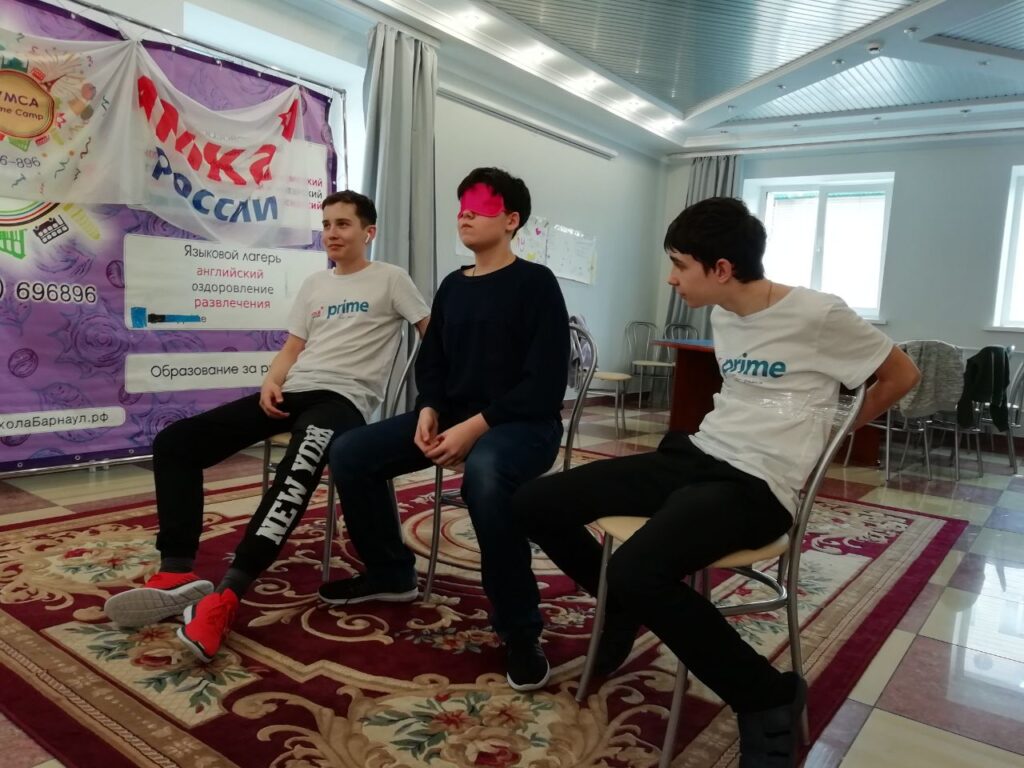
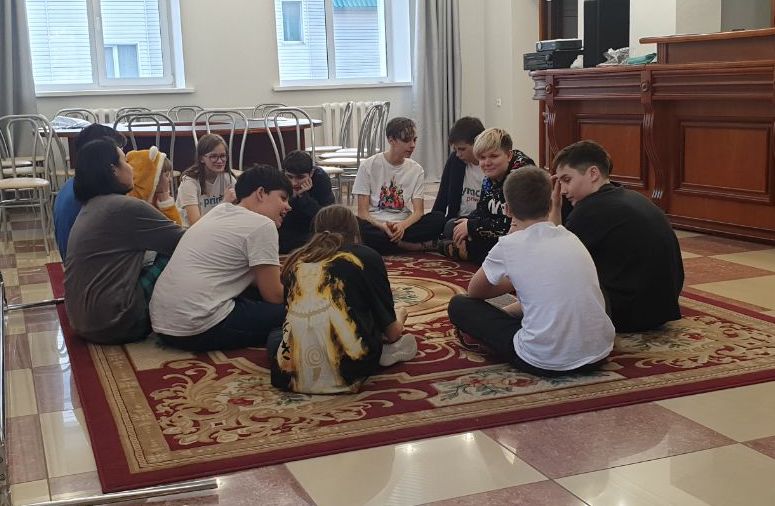
The group of young people attending the training had a varied background (public schools, extra-curricular workshops, music school, etc), so the acquired skills and techniques will also be practiced in other communities outside the YMCA circle and will therefore have a wider multiplying effect. Their experience of solving conflicts in a peaceful way will ultimately serve as a small-in-size but a great-in-value contribution to making the targeted local communities a better place.

The amount of positive feedback from “YMCA Prime for Peace” project participants serves as a motivation for YMCA Barnaul and the Roots to continue working on topics such as peace promoting and conflict resolution as we hope to sustain and enhance the cooperation and support!

YMCA Artsakh receives Roots Local Capacities for Peace Award 2022

There are some components of the Roots that attract impressive geographical coverage and engagement and probably get more spotlight too – Peace Work Institute and Program Festivals (ProFests) are the ones that first come to mind, but if to stress on one bit of Roots that has the closest touch and impact with grassroots beneficiaries, then Local Capacities for Peace Award is the “it”. Each year, partner organizations have the opportunity to make a difference for their communities together with the Roots.

After YMCA Georgia in 2020 and YMCA Kosovo in 2021, we are happy to announce a fresh new Winner this year – YMCA Artsakh! Being one of only a few civil society organizations working with young people in their country, YMCA Artsakh has made an outstanding contribution towards providing life-changing experiences for local youth over the years and has been an integral partner of the Roots since the inception of it.

So the Roots LCP Award is a just reward for the efforts they have been making, especially after the devastating war suffered in late 2020 – from which the country is still recovering. “Camp for Peace” will form part of this process, bringing together around 100 young people in a summer camp environment and offering a wide range of activities aimed towards trauma healing and personal development.

Like last year, the Call to receive the Award had only one entry, therefore the element of competition was not in place. Instead, we reached out to Roots Peace Work institute Alumni – sending the project proposal from YMCA Artsakh and asking for their evaluation of it.

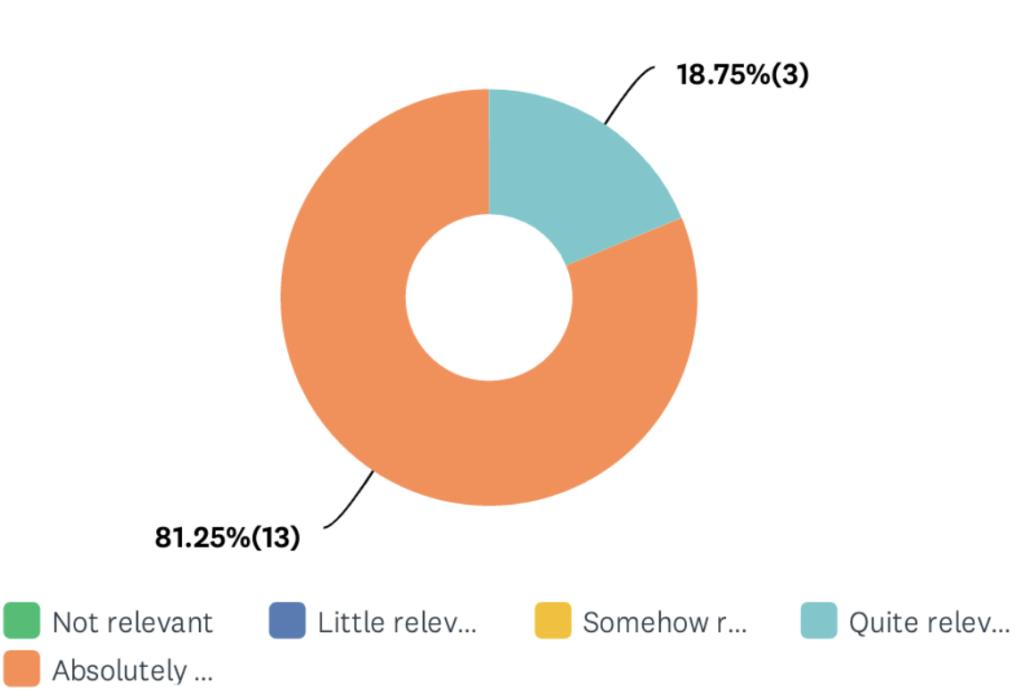
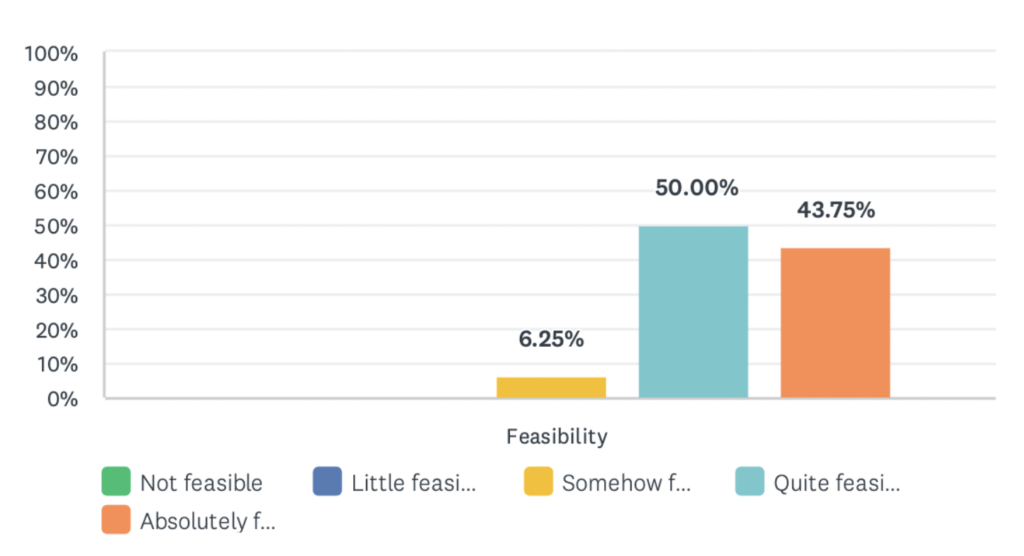
The feedback from 16 respondents (around 50 % of those requested to contribute) was overwhelmingly positive, with:

⭑ 81.25 % rating the project as “Absolutely Relevant” & 18.75 % as “Quite Relevant”;

⭑ 50.00 % found it “Quite Feasible” & another 43.75 % as “Absolutely Feasible”;
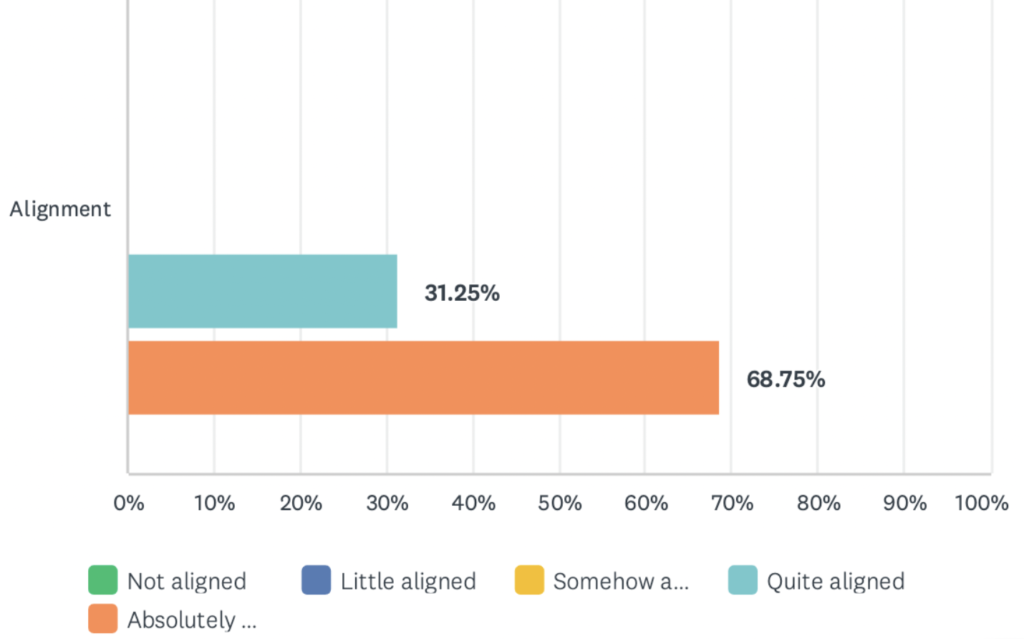

⭑ 68.75 % considered it “Absolutely Aligned” with the mission and goals of the Roots & remaining 31.25 % thought of it as “Quite Aligned”.

Quite a confidence and endorsement shown there for “Camp for Peace”! Now it is their turn to roll up the sleeves and open a new chapter in the history of  YMCA Artsakh – something that we are sure will make all of us very proud… Again!

The Ninth Roots & Next Quarterly is Issued

Roots & Next Quarterly #9 is here – a detailed reflection upon the first 3 months of 2022.

It covers the period that witnessed the start of another tragic chapter in the history of Europe – the war in Ukraine is a stark reminder that peace is the most precious to cherish and it is the responsibility of each and every one to safeguard it!

Please stay safe, all of you – we have a lot to do, together!

The Roots & Next Quarterly is available as a PDF here.

Together We Care: YMCA Moldova and YMCA Romania

Moldova and Romania are two of the most affected countries by the war in Ukraine as hosts of a large number of refugees. At the moment, there are around 380,000 Ukrainians that chose Moldova as their first country to go to, with around 550,000 Ukrainians opting to find refuge in Romania.

“It was a big challenge for our society, for our government, and also for our organisation. Since 25 February, our volunteers have been involved in helping the refugees at the borders of Palanca and Tudora, which are most popular crossing points for the refugees from Odessa, Nikolaev, and Kherson,” said Dumitru Roibu, YMCA Moldova President.

After 20 days of the conflict, Moldova has a plus of 5% of the population and it is hard to provide effective, timely and well-organised support actions –  but the government, local authorities and NGOs are doing their best.

What YMCA Moldova is doing for refugees?

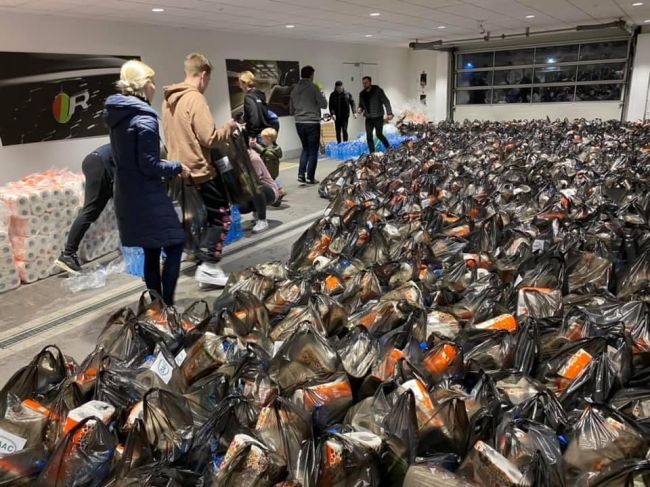
  • Free transportation to Chisinau or Border with Romania with our cars for more than 60 people (including from YMCA Ukraine)
  • Free accommodation at YMCA Youth Centre in Trebujeni (More than 50 people until today)
  • Free accommodation in the houses of our volunteers and board members (30 people until today)
  • Meal for free for those who arrive at the border and those who are accommodated (food distributed together with other local NGOs for more than 1000 people)
  • Free fuel for refugees who are going to other European countries (14 cars in total)
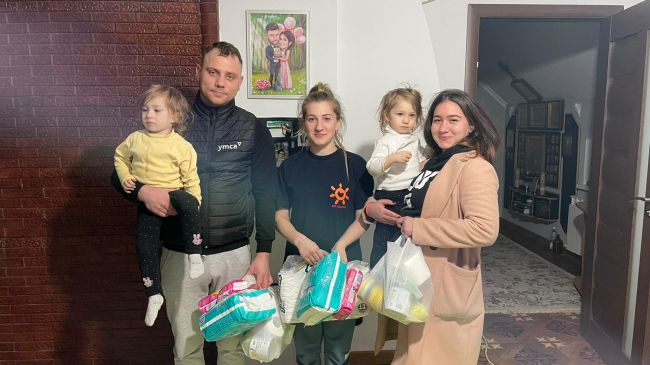
  • Packs with necessary items like water, food, towels, pampers, etc. (for 1,500 people).
  • Logistical and informational support (more than 300 people aided to find transportation, accommodation, support to buy plane tickets, exchange money, etc.)
  • During this period, YMCA Moldova established strong contact with state institutions and NGOs that work with refugees from Ukraine and had systemized its activities by knowing the time of departure and places of the buses that help refugees to travel to Romania from the Moldavian border.

When it comes to Romania, the headquarters of the National YMCA and two local associations are located in the North West, in Baia Mare city and surroundings – 60 km from the Ukrainian border.

The war has affected so many lives. There are many young people who are now seeking shelter and a place to call home. The team is responsible for registration and provision of safe places to rest, ensuring a passage through the country and onwards to other parts of Europe, as well as basic psychosocial support for all those in need.

Since the war started, YMCA Romania team has been present at the border crossing  – offering hot meals and refreshments to all the volunteers working on-site, ensuring regular services and assistance to all those coming from Ukraine. “It was tedious work out there, but they operate with passion and dedication. The volunteers are managing through exceptional circumstances, hearing heartbreaking stories of what is happening across the border,” said Alina Pop, YMCA National General Secretary.

Throughout these realities, YMCA Romania continues to provide support and guidance, especially for mothers and children from Ukraine, offering them a safe place and emotional support.

YMCA staff and volunteers are operating in 3 areas:

  • At the border providing first-line support and assistance,
  • Facilitating YMCA people and friends to safely arrive in Romania and cross further to the EU,
  • Providing necessary items in Ukraine and to Ukrainians who are hosted in the region.

“We are very appreciative of all the support and now, more than ever we need to also start thinking about second-line services for those who will stay for a longer period in Romania: integration services – development of language, abilities, job offers, emotional support, youth programs, etc. Now we are focused only on the first line, and probably starting in April we need to design our intervention for those programs. We need to adapt to our capacity, be realistic and monitor the situation very closely.” said Alina.

Hundreds of people with animals arrive at the border crossing between Romania and Ukraine every day. We welcome the initiative of the YMCA Baia Mare and their partners who have launched a campaign to help people’s best friends. Over 150 kg of food were purchased and transported to various locations in Maramures County.

Together, a small team of dedicated people is changing the lives of so many others facing the consequences of a horrific war. The acts of kindness and generosity are reflected in the collective support of all the YMCAs around the world. In close collaboration, the two YMCAs from Romania and Moldova are defying all the challenges, bringing the light of hope to so many.

At the end of February, thanks to the intervention of YMCA Europe, YMCA Moldova got a grant of 5,000 EUR through the project “Relief Assistance for Ukrainian Refugees on the Border”. It helped the YMCA here to reinforce and to achieve better results in working with the refugees.

We stand with our brave young people at YMCA Moldova and YMCA Romania, acknowledging their extraordinary effort and dedication. Remember that our vision will be echoed in our acts, and our acts will bring about change. Please help by making a donation. Every amount is welcome.

Heal the Smile Project

“Heal the Smile” is an initiative of YMCA Georgia within the framework of YMCA Europe Roots for Peace project, which aims to provide free psychological assistance to young people affected by the war in Ukraine.


Why?

The war in Ukraine has affected the lives of millions of people. Apart from alarming physical conditions, the war has the potential to cause severe emotional damage to young people and children, which can have long-lasting negative psychological effects and can result in the future and wellbeing of individuals.


Aim

The aim of the project is  to help young people, who have been affected by the war in Ukraine, to handle the emotional hardship by providing mental health support.


How?

Free sessions/consultations, held by professional psychologists, that will offer:

  • Safe space where youngsters can receive individual consultation from a professional psychologist.
  • Information on trauma healing methods, how to prevent PTSD, and ways to deal with it.
  • Participants will receive relevant information about how to protect themselves and their loved ones in a dreary and deplorable situation.

Who?

  • Are you a young person who has been affected by the war directly?
  • Have you been struggling with mental health due to the war?
  • Register here and get psychological support from professionals for free. Confidentiality is guaranteed.

Or

  • If you have experience and knowledge in the field of psychology/psychiatry;
  • If you want to help those who have been traumatized by the war;
  • If you can dedicate a few hours to the project as a volunteer;
  • Register here to offer psychological help to those who need it the most.

Back to Active Life

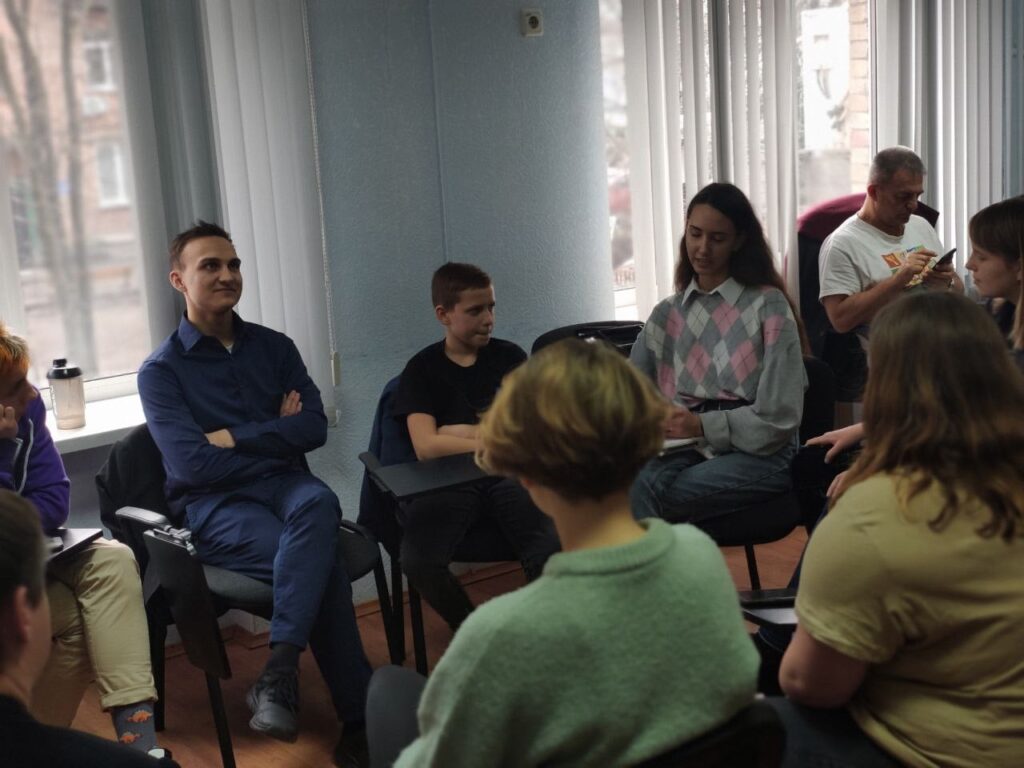
Last weekend, YMCA Ukraine in partnership with YMCA Europe Roots for Peace organized a two-day evaluation meeting within the project “Back to Active life: fighting Covid-19 challenges”. The event was implemented in a hybrid format, where offline and online participants came together. 

The main topics were:

  • how to use the art for peace building purposes,
  • how to stay psychologically stable,
  • how to enhance the chances of employment,
  • how to prevent and resolve conflicts.

The participants were very satisfied with what they learned and the trainers: Nataliia Vainilovych, Yuri White, Ankica Dragin and Anna Cheverdakova. 
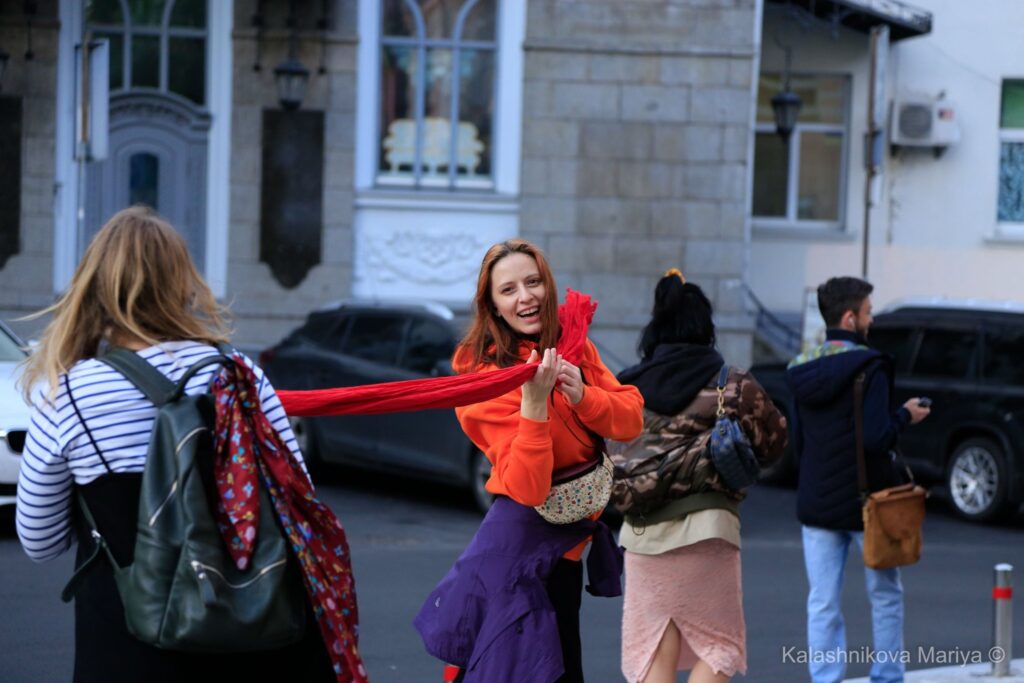
One of the trainers – Nataliia Vainilovych is a Peace Work Institute Alumna of YMCA Europe Roots for Peace project. “In order to resist and overcome Covid-19, one must know how to manage conflicts. For example, during my workshop we learned to listen to each other. It is very important to listen to each other during a crisis without criticizing, commenting or giving advice. We have also included Art in order to better understand what is happening to human beings” – says Nataliia. 

“We will not give Covid-19 any chance” is the main slogan of the project – something fully shared by all participants and implementation team. 

Anya, one of the meeting participants also shared her impressions: “This is my first all-Ukrainian workshop! I was counting on something similar. Very supportive atmosphere, caring attitude towards each other, sincere words and new friends. This was amazing!”