Be a voice, not an echo

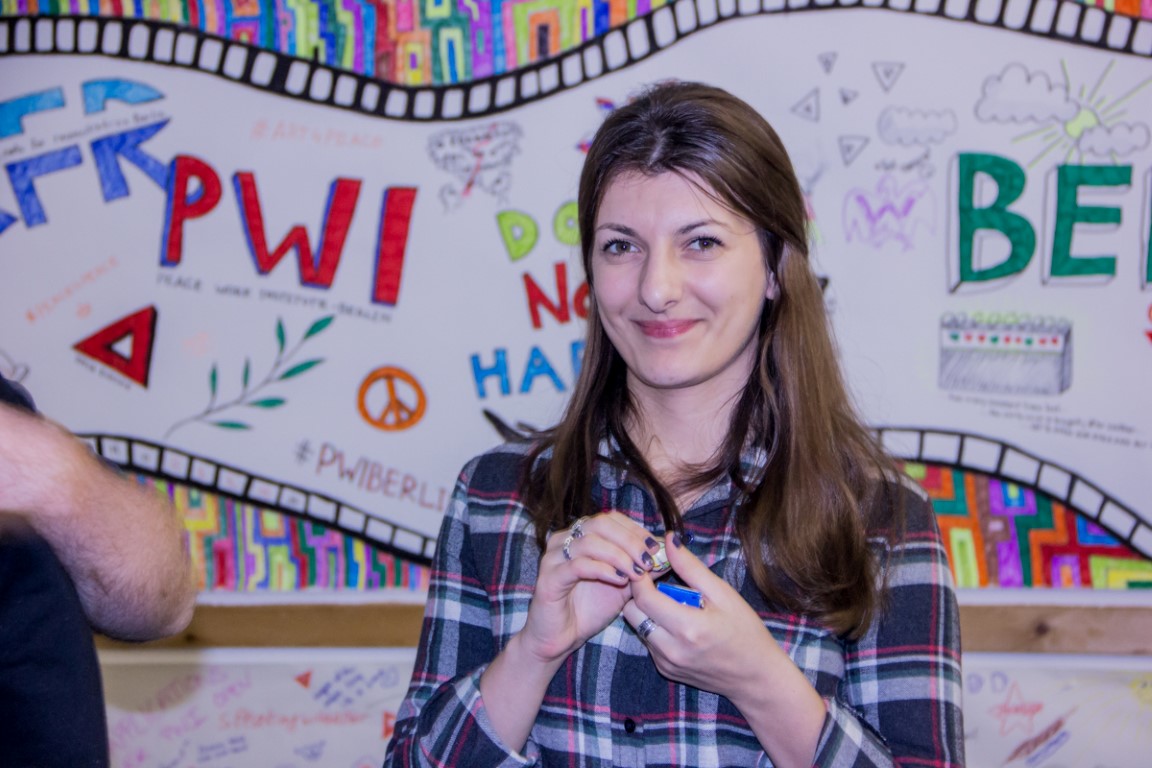
I am Roots: Marina Babayan

Since its inception in 2012 and with two cohorts (2012-2014, 2014-2019) of participants that passed through it, the Roots Peace Work Institute (PWI) sought to enroll young leaders of different backgrounds from across Europe, young people who were and are a voice and not an echo – eager to learn, to try, to grow… Like raw diamonds to shine after the grind.

And we believe that most of these 46 Alumni managed to develop both personally and professionally as they journeyed through PWI.

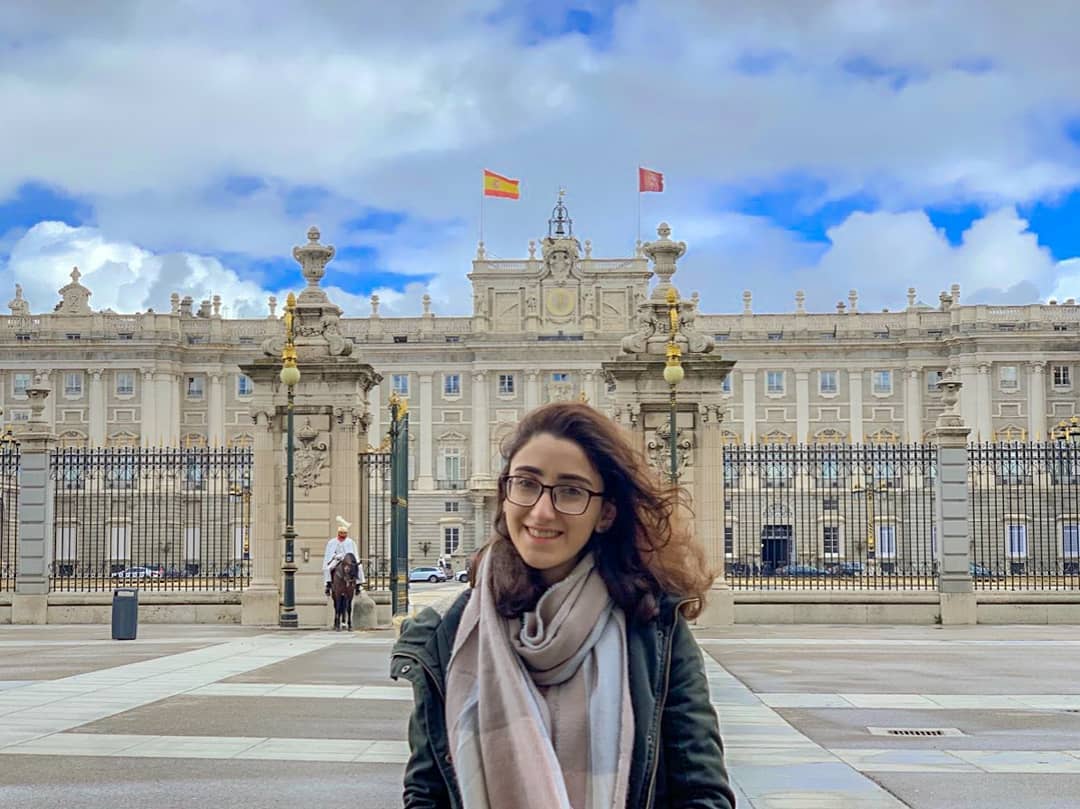
Today we share with you the story of Marina Babayan, a talented activist from Spitak, Armenia.

Marina graduated from the Brusov Linguistic University with a degree in linguistics. Today she works in Timeless online store as a senior consultant.

Prior to the program, she had never been involved in peacebuilding projects. However, she participated in many events organized by Spitak YMCA. It was an interesting place for her to learn because there are not so many youth events in the regions of Armenia. Her local YMCA is doing a great job in providing youngsters with relevant and entertaining programs.

Having learnt about the Roots and Peacework Institute at Spitak YMCA, Marina decided to apply to join the PWI family. Then in her turn she advised many people to participate in the program – because the program had a very positive impact on her development.

According to Marina, her worldview and way of thinking has changed, many stereotypes have remained in the past and she has become more patient and tolerant towards the close ones and the world.

“For me, the most powerful achievement of Roots is people. In my opinion, Roots is all about that. I have made friends with whom we are still in very close relations, we are part of each other’s lives. I had countless unforgettable moments. There are even very small details that will be etched in my memory forever.

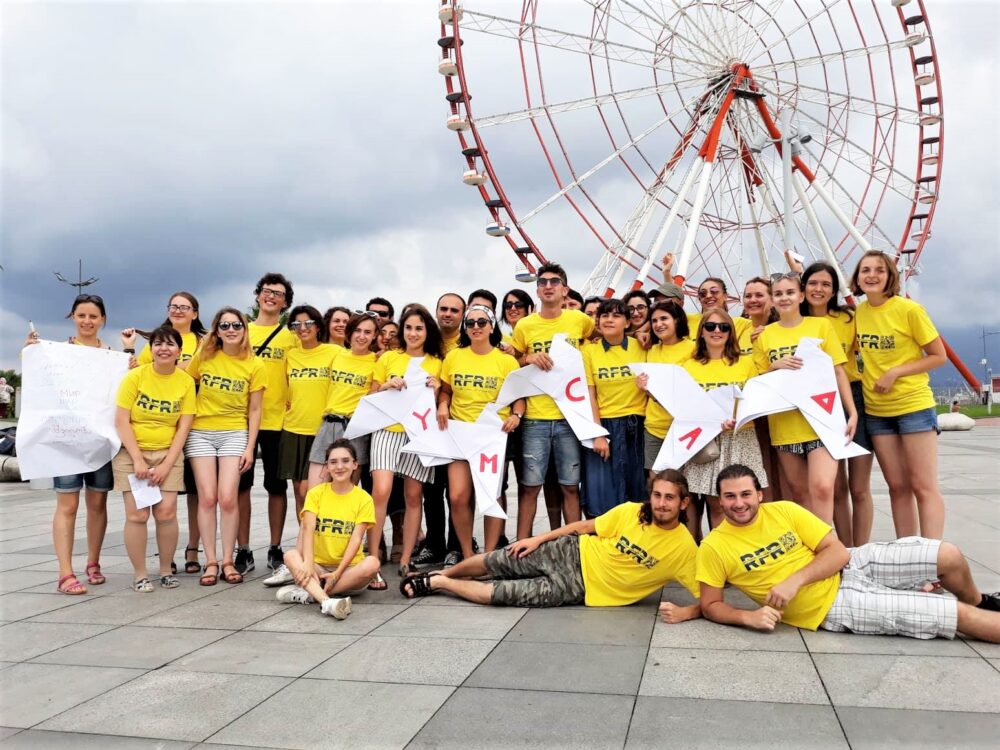
If I had to single one out, I would choose this one: once we were in Camp Orange in Georgia, where the participants from conflicting countries organized a Playback Theater. Through the theater, we talked about the war and the consequences it had on people – about how those on both sides of the conflict feel the same and blame each other the same way and for the same things. It was a very strong moment.

Roots played a big role in the fact that I already look at someone as a person and not as a representative of any nation. All the time there as we talked, discussed, rehearsed and performed – I kept thinking: what prevents us from being so peaceful? And I still could not find the answer,” says Marina.

Marina still participates in events organized by Spitak YMCA and helps with organizational issues.


You can find more impressions of marina about her experience with the Peace Work Institute in the article below.

Peace Work Institute makes you understand that you matter


Since 2007 and ever growing, from the South to the North, from the East to the West of Europe – the Roots has always been there for those striving to make this world a better and safer place, a peaceful home for all. We go where the need is, responding quickly to the emerging issues with the legacy and mandate, capacity and adaptability gained for all these years.

By donating to the Roots, you invest in youth opinion leaders from all corners of Europe – varied by age, ethnicity, religion, race or wealth, but united with one strong conviction – Peace is the only way!

I am Roots: Kristi Arakelova

Since its inception in 2012 and with two cohorts (2012-2014, 2014-2019) of participants that passed through it, the Roots Peace Work Institute (PWI) sought to enroll young leaders of different backgrounds from across Europe, young people who were and are a voice and not an echo – eager to learn, to try, to grow… Like raw diamonds to shine after the grind.

And we believe that most of these 46 Alumni managed to develop both personally and professionally as they journeyed through PWI.

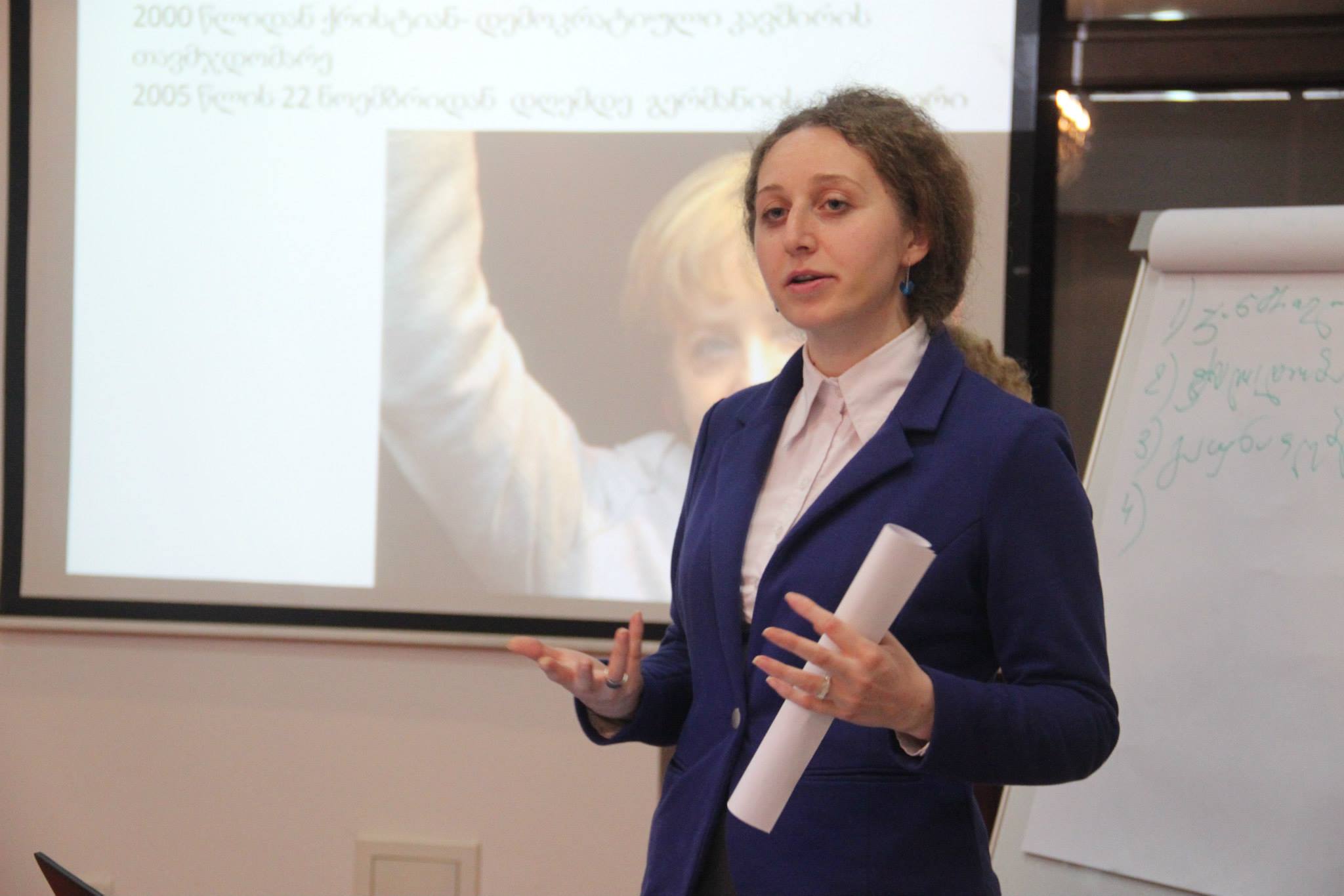
Today we share with you the story of Kristi Arakelova, an experienced youth leader from Georgia.


Kristi’s first degree was in Social Science and Art History. Over time, however, her interests shifted and in 2013 she obtained her Master’s degree in International Relations.

“Despite the fact that in South Caucasus we have 3 conflicts and I grew up together with ongoing tensions both in Georgia and in Armenia, a “Training for Trainers” project in Armenia was my very first time when I touched “peace” and experienced what conflict actually means to us. During the Training I met Vardan and from that moment my YMCA Journey has begun. I was first involved in the Roots for Reconciliation project back in 2012. Afterwards, my journey to peacebuilding has started and I became one of the “Rooters” – so I felt very proud, excited and responsible,” shares Kristi. 

Since her interests lie in the area of international involvement in resolving internal conflicts, her Master thesis was on the Nagorno-Karabakh conflict and the international community’s role in mediation and the peace process.

By the decision to become a “Rooter”, she has changed everything in her life but of course, she did not realize it immediately. Her most important belief was to feel useful and to help people who are in need, – it could be in need of peace, justice or protecting their rights. Step by step, Kristi understood how important it is to work with these people and felt happy, because by doing peacebuilding she found herself.

“Today, I surely can say that Roots helped me to “walk” on the right path in my life. I think the most important thing which I learned from Roots is to understand the importance of being at peace with self in the first place. This means that if you want to build peace around you, you should start it from inside of you – accept yourself in the way you are and be in harmony with your inner “I”. After this comes the stage of understanding interpersonal conflict and the importance of the “Do No Harm” approach which means taking a step back from an intervention to look at the broader context and to mitigate potential negative effects on the peacebuilding process. It is significant to underline that Roots helped me to deconstruct the idea of the “enemy” and showed me different sides of peace work,” says Kristi.

Each session was unforgettable and unique because the participants were learning something new every time and getting the ‘food for the brain and soul’. But for Kristi the most powerful moment was in Strasbourg, when Vardan stood  in front of the participants and said: ‘Peace is possible, you just need to believe in it.”

“To me, Roots is all about hope. Probably the most difficult job for a Rooter is to persuade others to keep the hope. As a Rooter, one should think positive and this positive approach should be visible through your actions. Spread hope and keep the motivation level up. If you are successful in giving hope and inspire people,  you can easily overcome any current and future challenges easily,” Kristi says.

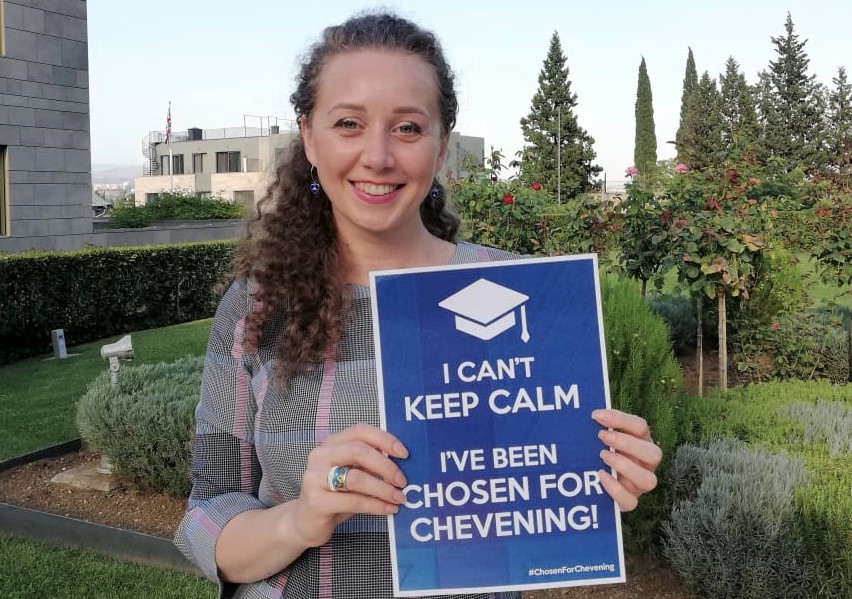
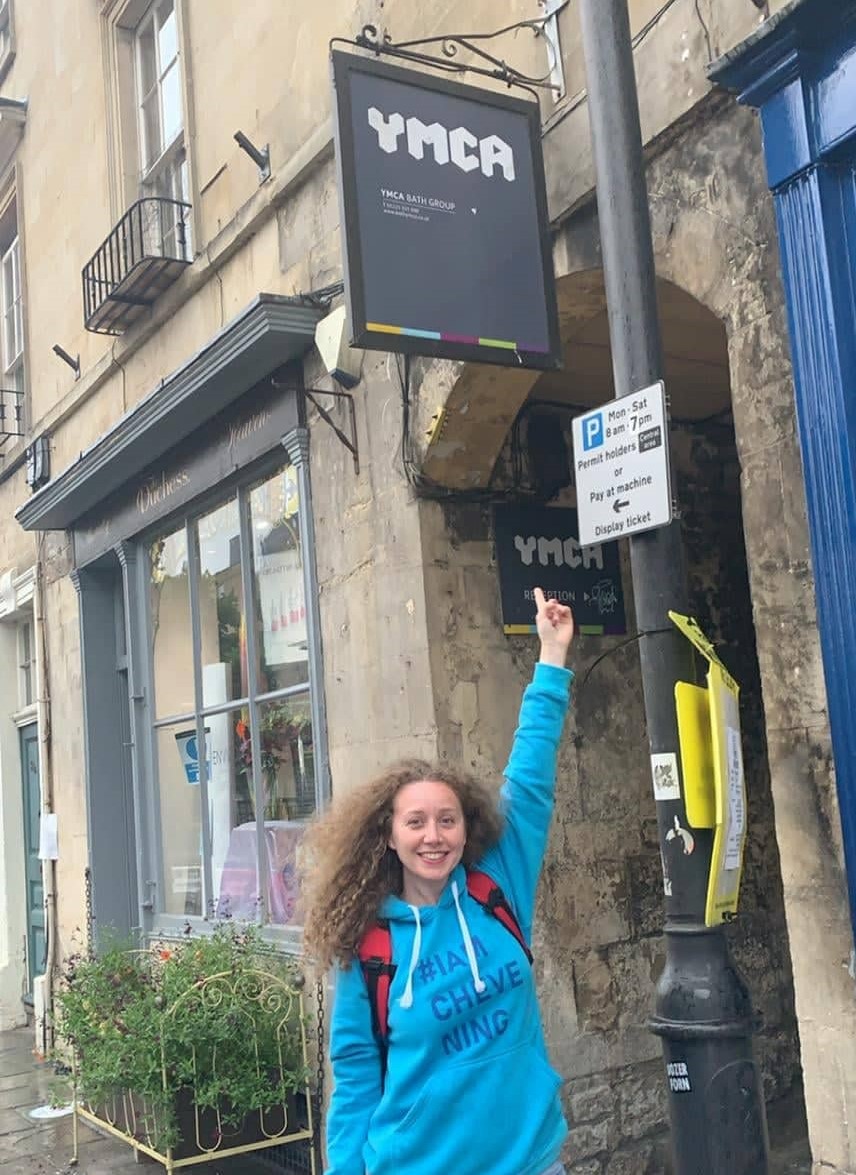
Today Kristi is a Chevening Award winner from Georgia, currently studying Nationalism and Ethnic Conflict at Birkbeck, University of London. The Chevening is a very prestigious and competitive Scholarship and a unique opportunity for young leaders to study in the UK as well as to build a professional network – to meet professionals or NGO representatives working on scholarly interests.

Since 2016, she has been a young expert in the Georgian-Armenian Dialogue organized by the Institute for the Study of Nationalism and Conflicts. Last year, she was appointed as a project coordinator of the Georgian-Armenian Expert’s Dialogue supporting bilateral enlargement of the Dialogue and engagement of young generation experts and researchers.

“I would always highly recommend young people to become a rooter because this project is all about shaping your mind and spirit in the best possible way. Alongside knowledge, you acquire skills like empathy and emotional intelligence which are essential for today. It means you can control your emotions, you can feel others’ problems and you are always ready to help. In addition, you are having friends worldwide, which is an amazing thing. I am currently living in the UK and I can surely tell you that if there wasn’t my Rooter friend Frah Saeed, I would be lost – she is always with me and she is my closest friend, she is my hope here in the UK. And I am so grateful to Roots for this friendship,” confesses Kristi.  

Kristi is a Member of the Core Group of Experts (CGE) for the OSCE’s Perspectives 20-30 initiative. Also, she was a fellow of the Office of the 2018 UNHCR Minorities Programme. Together with her professional development, she has also chosen and become committed to the path of social activism. She founded “Youth for Diplomatic Engagement”, an NGO that focuses on youth involvement in public diplomacy, security, and human rights issues in the South Caucasus.


Since 2007 and ever growing, from the South to the North, from the East to the West of Europe – the Roots has always been there for those striving to make this world a better and safer place, a peaceful home for all. We go where the need is, responding quickly to the emerging issues with the legacy and mandate, capacity and adaptability gained for all these years.

By donating to the Roots, you invest in youth opinion leaders from all corners of Europe – varied by age, ethnicity, religion, race or wealth, but united with one strong conviction – Peace is the only way!

Be a Voice not an echo | Call for participants

It is our pleasure to inform you that Council of Europe`s Programme Committee on Youth approved our proposal for a study session “Be a Voice not an Echo” to be held in cooperation with the European Youth Centre Budapest.

The study session (a component part of Roots for Peace Project) will take place from the 12th to 18th of September 2021, involving 40 young people from all over Europe.


About.

The latest developments in Europe clearly indicate that hate speech, violence against minorities and radical ideologies are no longer confined to small marginalized groups and are taking more organized shape with political and institutional support in many parts of the continent.

The Europe of today is a playground of confronting world outlooks and there is an alarming trend of growing sympathy towards far-right ideology. Many youth organisations engaged in bringing about positive change are increasingly encountering hate propaganda and speech at different levels that directly or indirectly affect the attitude and behavior of young people they want to serve, thus negatively impacting their work.

In order to offer responses addressing the roots of the problems, they need to constantly grow as learning organisations with adequate capacity and expertise in media literacy and conflict transformation work. Nowadays combating radicalism cannot be an ad hoc area to jump in; it requires certain qualities that come with legacy, mandate, structure, experience and competences.

The aim of this study session organised in cooperation with the Council of Europe`s European Youth Centre Budapest is to scale up the YMCA Europe capacity and action against hate speech using counter and alternative narratives as a tool.

To this end the following specific objectives are set to be achieved within the study session:

  • To raise the awareness of participants about the role of narratives in contributing to the spread of hate speech in online mediums and equip them with knowledge and skills on how to combat it through value-based positive narrative.
  • To facilitate the sharing of best practices and know-how on spreading counter and alternative narratives (including from Council of Europe).
  • To build real and sustainable relations between the participants (including from different conflict sides) and group dynamics based on mutual-trust.


During.

As a result, we anticipate creating an informal network, where the participants will support, mentor and inspire each other, therefore ensuring sustainability and making the study session more than a one-go activity.

Creating a long-lasting online platform of peace advocates is an expected outcome of this initiative. We expect that based on and as a result of the learning offered to the participants, they would be able to create solid digital outputs with positive narratives based on hope and love.

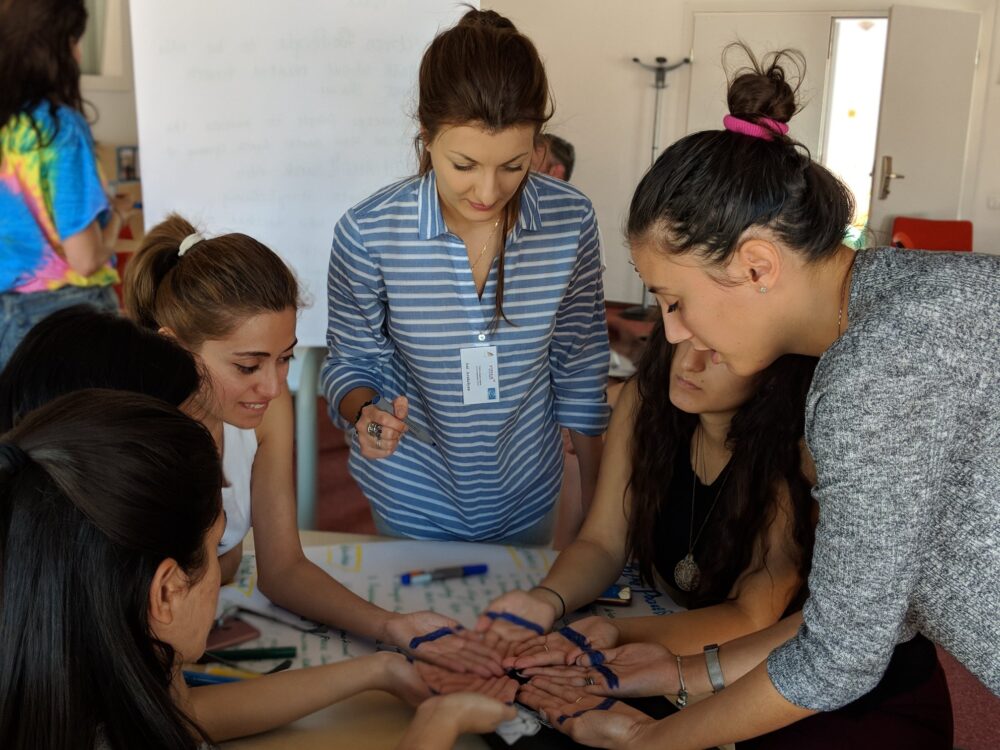
Concerning the achievement of the objectives, this study session is designed as an experiential learning scheme. The knowledge, skills and attitudes gained by the participants at the training sessions will be put into practice through homework tasks and follow-up actions / campaigns at the grassroots level.

The study session is designed as a one-week-long event, including 5 full working and 2 travelling days.

The daily programme of the study session is composed of the following learning and group dynamic blocks:

  • Message of the Day: Each morning the day will start with a 15-20 minute message led by facilitators or participants. There are two reasons: firstly to set the tone of the day and give the group something to think about; secondly to share an issue or concern of a global scale or personal challenge and/or opinion. It is also designed as a tool for the group to bond.
  • Morning Sessions: with emphasis predominantly on hard modules, such as plenary inputs and lectures. The idea being that it will offer a space for theory, experience, debate and showcasing tools and methods.
  • Afternoon Warm-up: time for participants to offer energizers and team-building activities.
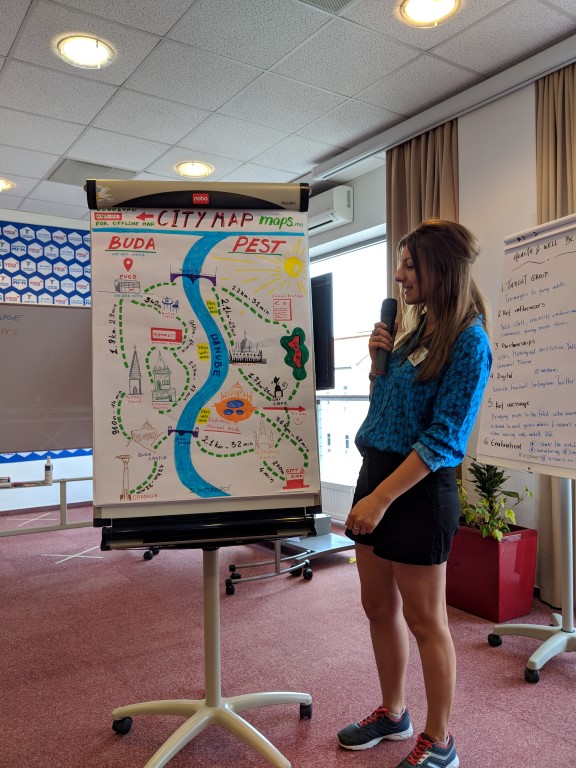
  • Afternoon Sessions: with emphasis predominantly on soft modules, such as interactive work, simulation activities, group work on campaigns, media awareness. We will also offer a choice of different workshops for the participants led by different members of the facilitation team; this will in turn allow space to go deeper into certain topics and tools within a small focused group.
  • Home-Group Methodology: There will be 4-5 groups, mixed prior to the conference and with specific tasks during the conference; they will also provide support and feedback for the participants – each day a representative from each group will feedback to facilitators ensuring concerns expressed within the group are dealt with and quality of performance is maintained.
  • Evening Programme: with focus on activities for building positive group dynamics, such as intercultural evening, movie night, quiz sessions and various challenge activities. This also allows the participants to have social time and to relax after a heavy day of learning.

This study session is designed as an experiential learning scheme. The knowledge, skills and attitudes gained by the participants at the training sessions will be put into practice through homework tasks and follow-up actions / campaigns at grassroots level.


Team.

  • Irina Berdzenishvili – Georgia / Peace Work Institute Alumna,
  • Mark Healy – Ireland,
  • Dana Kiss – Romania,
  • Marius Pop – Spain / YMCA Europe,
  • Rezi Shavladze – Georgia / YMCA Europe,
  • Camelia Nistor  / Educational Adviser selected by the Council of Europe.

Experts.

  • Alina Violeta Pop is a certified trainer and youth worker with more than 10 years of experience  in working with young people and adults in local, national and international contexts. Her area of expertise is creating and delivering educational workshops and trainings focused on team building, group dynamic, human rights and No Hate Speech, narratives & storytelling, intercultural education, project management, social and civic competences development – using a variety of engaging, collaboration and reflection driven online and offline tools and methods of non-formal education.

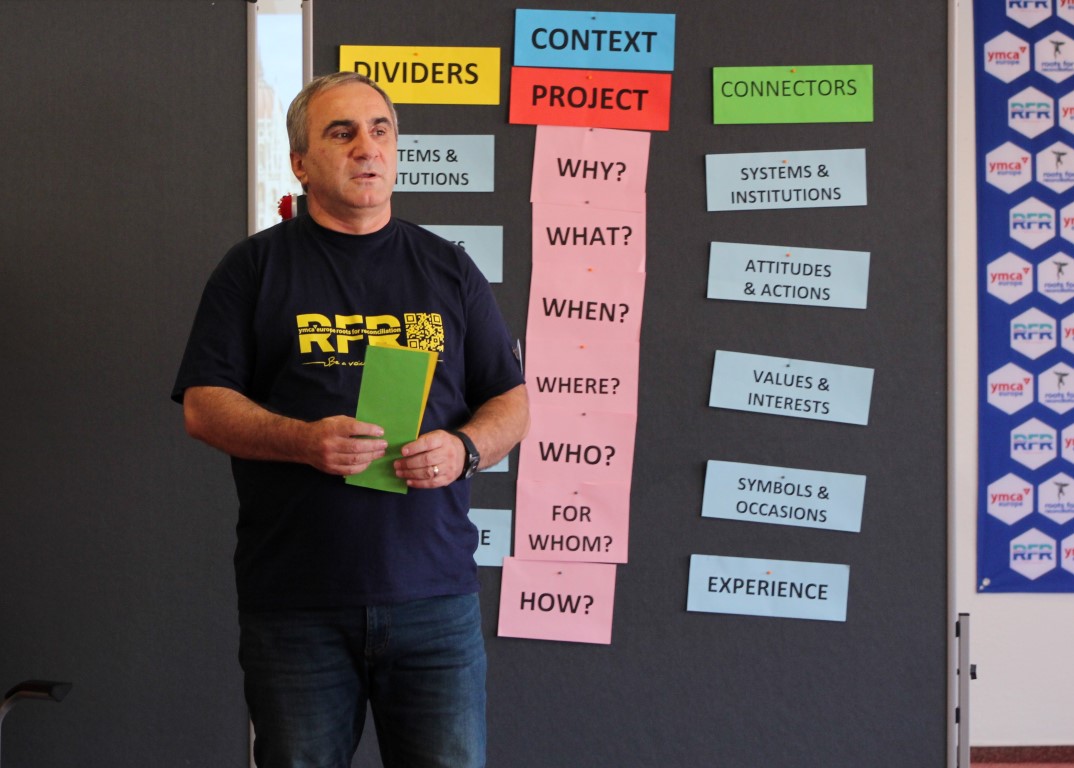
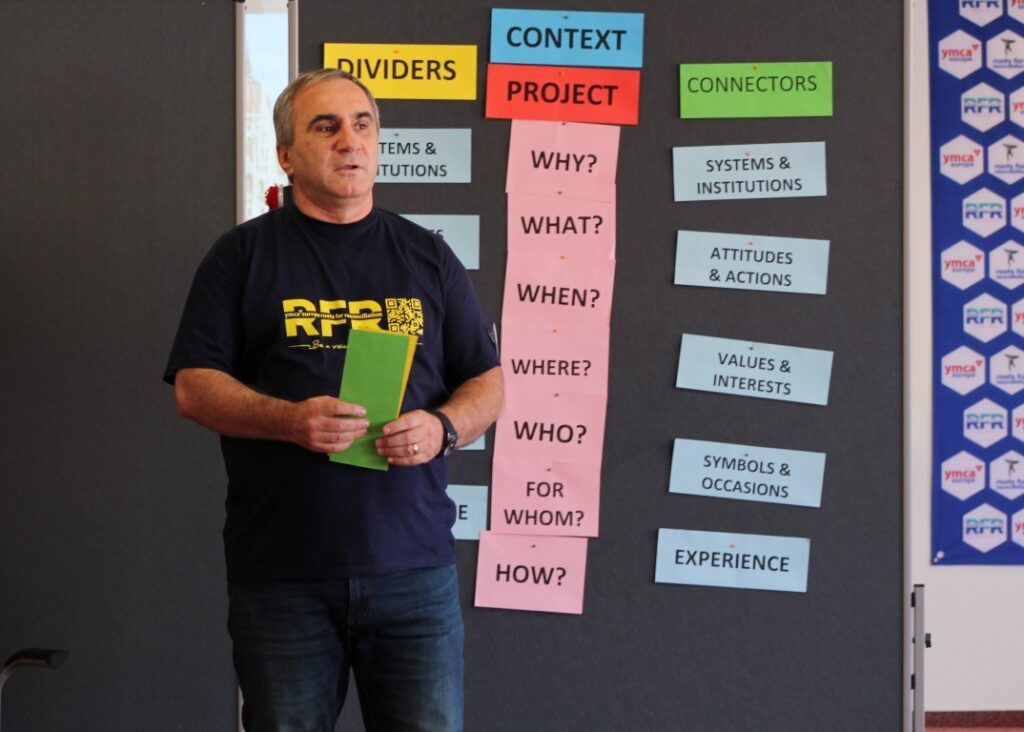
  • Vardan Hambardzumyan, YMCA Europe Executive Secretary, is a key staff coordinating YMCA Europe Peace and Justice strategic area and Roots for Peace project coordinator. With his rich experience and knowledge in working in and with conflicts (including as a war-correspondent), Vardan can best facilitate the delivery of the planned hard modules on ‘Do No Harm, ‘Composite Heritage, and ‘Reflecting on Peace Practices’.

Methodology.

Non-formal learning and participant-oriented approaches will be used, and in accordance with the environment friendly policy. The program flow will reflect interactive and participatory methods among which will be: discussions, work in pairs, small or big groups, interactive lectures, experts’ talks, interactive role-playing games, energizers, icebreakers, team-building, simulation games, case studies, field studies, brainstorming, world café, open space, daily evaluations, practical digital bootcamps, intercultural and other parties.

Through interactive activities participants will have the chance to practice gained information and knowledge that will strengthen the process of learning, impact and use of represented methods, tools, skills, knowledge and information on their future local projects.

For tailoring the content of the study session, the preparatory team together with the educational advisor will use resources, such as the Council of Europe ‘Youth Transforming Conflicts’ T-kit, the No Hate Speech Movement materials (especially  ‘We Can!’), “have your say” Manual, or YMCA Europe ‘Peacework Guidebook’ – an online resource summarising the delivery of YMCA Europe Peace Work Institute schemes, including all the hard and soft educational modules used.

Furthermore, we would allow space for working groups that organically formed or for participants who wanted to lead extra content. This would ensure those participants who wanted to lead or go deeper in a certain topic would have the space.


After.

We expect participants to have plans/projects/campaigns to be implemented upon completion of the study session in their organisations and communities. Together with the participants we will set a timeline for these projects and also the methods used to publish/advertise.

We will also create a small working group from within the group to document and produce a handbook of best practices, tools and tips (most of them for free usage) from the project week. This can then be used by all participants, their organizations and networks. Hoping that those individuals or organizations unfamiliar with initiatives like “No hate Speech” will consider joining or getting more actively involved.


With Whom.

Apart from general requirements like age, language skills, etc., the participants should show evidence-based motivation and commitment to conflict transformation work, digital activism during and beyond the study session. They must be 18 – 30 years old and can be of both YMCA as well as non-YMCA backgrounds.

Based on the nature of the initiative being opinion-leaders, mature, open-minded, responsible and collaborative are the features that each applicant should display. There will be some participants with solid experience in other projects. This will ensure that the programme and aims fit into a wider support network and platform. The participants will come from diverse ethnic and religious contexts.

Profile of Participants:

  • Representatives of a youth organisations & informal groups;
  • Representatives of formal education & administrative bodies working with youth;
  • Freelancers supporting youth work on a regular basis;
  • People ready to fully dedicate their time and be part of an intensive learning process;
  • Able to work in English;
  • Citizen or resident of an European country;
  • 18 – 30 years old.
    Preference in selection will be given to applicants dealing or planning to deal with communication/digital/social media matters and/or have some experience with the project’s topic.

Logisitics.

Place: European Youth Centre Budapest
Date: Arrival on the 12th of September / Departure on the 18th of September 2021
Places available: 35
All costs related with travel, visa, accommodation and materials are covered.

The study session has an enrolment fee set at EUR. 50. All persons attending the study session must complete a travel reimbursement form even when there are no travel expenses and pay the enrollment fee due to the Youth Department of the Council of Europe before the end of the meeting.


Note.

Please be aware that we are constantly checking the situation around Covid-19 in different countries and especially in Hungary. Further information, recommendations and preventive measures regarding this topic will be provided in the info-pack of this study session. The session will be held at the EYCB under strict sanitary protocols.

Deadline for applications: August 20th 2021.

Please visit our webpage for more information.


APPLICATION FORM

 

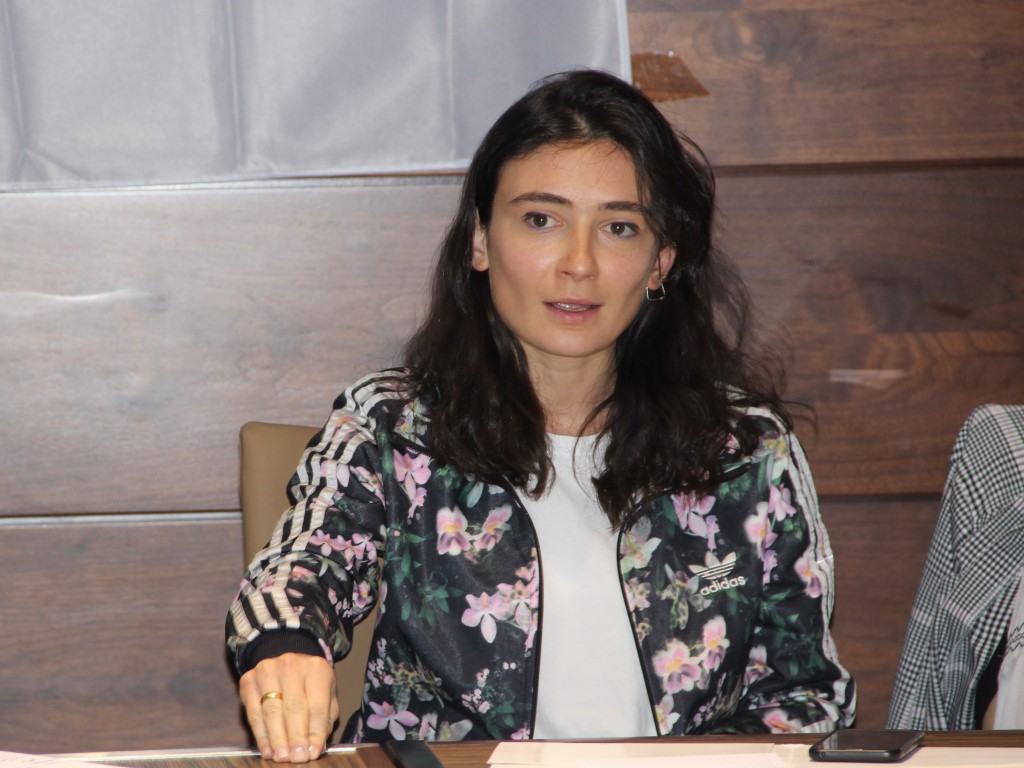
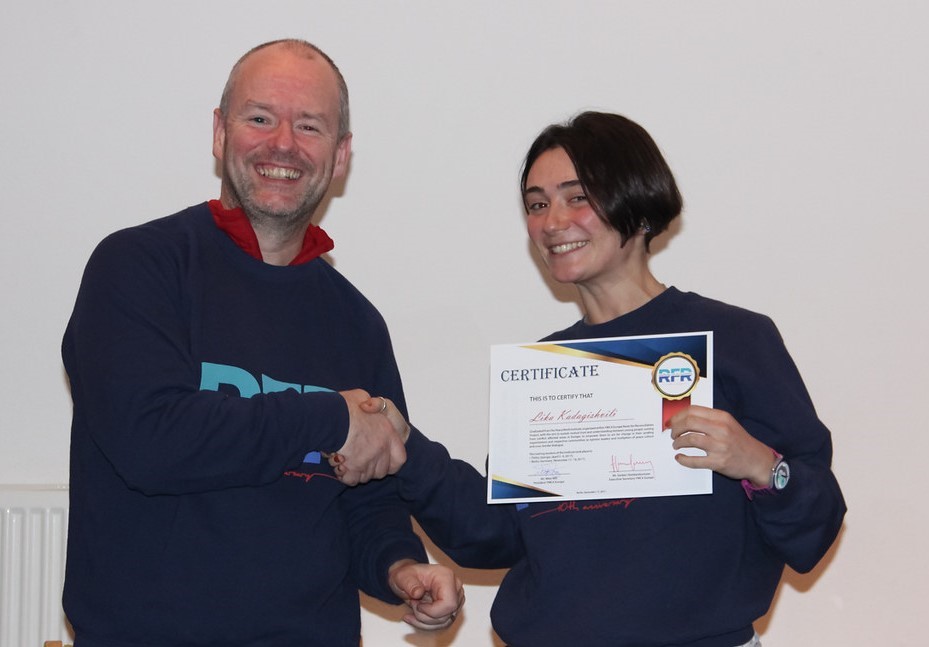
I am Roots: Lika Kadagishvili

Since its inception in 2012 and with two cohorts (2012-2014, 2014-2019) of participants that passed through it, the Roots Peace Work Institute (PWI) sought to enroll young leaders of different backgrounds from across Europe, young people who were and are a voice and not an echo – eager to learn, to try, to grow… Like raw diamonds to shine after the grind.

And we believe that most of these 46 Alumni managed to develop both personally and professionally as they journeyed through PWI.

Today we share with you the story of Lika Kadagishvili, an amazing youth worker from Georgia.


Lika is 28 years old. She studied Sociology as a Bachelor and is about to start  Master’s in Social Psychology.

“All my work life is connected with children and youngsters and I know how important it is to be fully realized as a successful person in society and to do so, it is very important to be aware of yourself and set the right attitude towards the people and events in life. And I think my Master’s degree will help me to be more useful for young people (and not only) around me,” shares Lika.

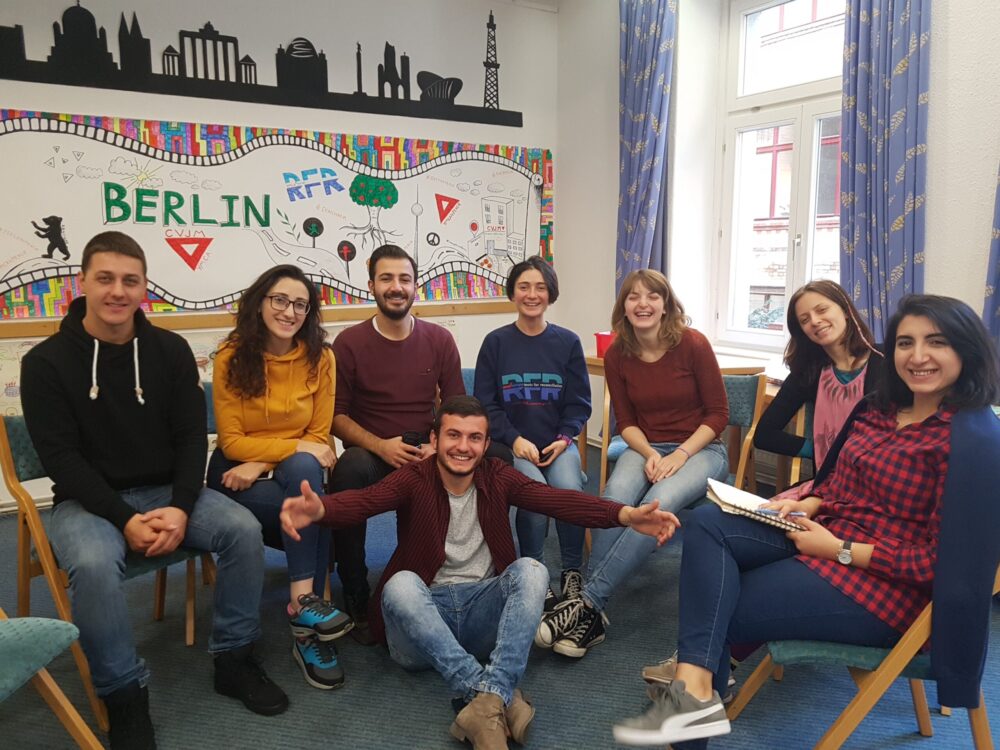
Lika joined Roots in 2015 and is still actively engaged as the project transitioned to online activities lately. She is really looking forward to meeting all Peace Work Institute alumni again! Before Roots, she didn’t have any experience in peace work. Here she had a chance to get acquainted with the theoretical and practical part of the conflict analysis and peace work activities.

“Roots gave me the chance to meet incredible people from all over the world. It made me think of many global issues around me and those concerning my personality. Thanks to this experience, I opened up to this new world and improved my communication skills. I had been a member of the YMCA before Roots and it helped me to go through this journey very smoothly and achieve a lot as a result. I believe that if I become a little better as a human, people around me will feel better too! So this is the main impact for me,” Lika says.

Every participant of Roots is a family member, we say. And Lika is a very special one, as she always makes people smile. Lika is caring – a person who always shares, gives and doesn’t wait for feedback.

“During Roots, I experienced a lot of amazing moments. It does not have to be a big WOW to become an unforgettable case. The whole project stays in my memory as a great long-lasting emotion. But, I can remember the moment at Camp Orange when during a Roots event young participants from different countries (those with serious political issues with each other) hugged, sang and cried together! That was WOW with tears of happiness… I would describe Roots as Unity, Love, and Friendship,” says Lika.


Since 2007 and ever growing, from the South to the North, from the East to the West of Europe – the Roots has always been there for those striving to make this world a better and safer place, a peaceful home for all. We go where the need is, responding quickly to the emerging issues with the legacy and mandate, capacity and adaptability gained for all these years.

By donating to the Roots, you invest in youth opinion leaders from all corners of Europe – varied by age, ethnicity, religion, race or wealth, but united with one strong conviction – Peace is the only way!

World by Word: Petrs story – After the war

When I was 5, in the summertime my family and I lived in a country house near St Petersburg. And one day my father, while doing some construction work, found an old bomb. And yes, it was fully operational.

Why was it there? Because all that land near St. Petersburg (formerly named Leningrad) was one battlefield during the Great Patriotic War (the part of the Second World War in which the Soviet Union took part). During the war,  Leningrad was under siege for a whole 900 days. And to this day, at least once a month, the remains of soldiers or explosives are found in the forests and swamps.

My father was once an army officer and he knew how to handle this kind of problem. He called the authorities and after some time special forces came to clear the mine. Here, this story ended. But even after more than 70 years we feel the influence of the war. It still leads to tragedies.

The story about this one bomb is only about some material side of war. But what about the psychological side? How has this war affected society?

For example, in my family, one of my grandfathers went missing in action during the war and till now we don’t know where he was buried. My other grandfather came home after 4 years of fighting all over the continent from Baltic States to Japan, he was only 22 years old at the time, younger than me when I graduated from university.

This war ended 76 years ago. But till now it is a great tragedy. And till now the war affects us. Till now, after four generations.

Written by Petr Bozhichko from Russia, Roots Peace Work Institute Alumni

Foto credits: by Michael Neubert


This article is part of the World by Word campaign. This project originated at YMCA Netherlands and is a multinational cooperation of YMCA Europe Roots for Peace project, and the Dutch former Soviet Cemetery Leusden.  World by Word is a prelude to an Erasmus+ funded Youth Exchange “Then, now and later: towards a composite memory”, taking place in the Netherlands in 2022.

World by World: Mila’s story – tolerance, humanity, healing

My grandmother Zhenya was born in the North Caucasian district (the Southern Russia), in Kislovodsk city. Kislovodsk (literally “sour waters”) is a small city with beautiful nature and rich history as a fashionable spa centre where many musicians, artists, and members of the Russian aristocracy spent their summers in the 19th and early 20th centuries.

Due to its location this district is famous for its multicultural population: Russian, Armenians, Jews, Ukrainians, Greeks, Romani people and many other ethnical groups live together. I remember many stories from my Grandmother about her lively street where kids of all nationalities were playing with each other.

Following the outbreak of the Second World War all sanatoriums and holiday houses were turned into hospitals and the main spa resort in the country became one of the main hospital bases. Unfortunately, it did not last long. German, Italian, and Romanian soldiers came to the town in summer, 1942 and stayed there for almost half a year. That was tough time for all citizens and especially for still working hospitals.  All children including my Grandmother continued attending schools.

However, the study plan was changed completely. “Every day we had to open our books, take our pens and search for the names of Stalin and Lenin. Once you found these, you should cross them. And then search for the next one” – my Grandmother told us. I have been always amazed how the context changed such a seemingly easy and repetitive act.

One day my Grandmother saw her friend, a Jewish girl with her family, packing their stuff. All Jews in the town were told to leave their houses and take a train to move to another location (so called low population areas) where they could settle down. It was recommended to only take jewelry and money and leave notes with names so the new German authorities could send the rest to their new addresses. The family of my Gran and other neighbours did not believe in that and tried to persuade this Jewish family to stay (now we know that there were no “better” choices in that horrible situation). However, they left anyway.

Later, when the city was liberated, my Gran’s family and many other citizens went to a place where the executions of so many Jews had taken place, hoping to find their friends and neighbors in order to give them a proper burial. They managed to find their lost neighbours. Gran remembered many children helping the adults with the burials.

After liberation children continued to actively help: my Grandmother went to school in the morning and assisted nurses in the hospitals after lunch. She also knitted warm socks for soldiers.

I admire that my grandparents never said a single bad word about Germany after everything they went through. Instead,  they always respected Germany’s many traditions and were fascinated by German culture. After my first trip to Germany my grandparents were very enthusiastic to learn more and see what modern Germany looked like putting aside all possible stereotypes. Well, they may have thought that German is not the most melodic language, but they could always separate people from orders and the past events from the present.

Written by Mila Iakovenko from Russia living in the Netherlands  

Foto source: Konstantin Malanchev


This article is part of the World by Word campaign. This project originated at YMCA Netherlands and is a multinational cooperation of YMCA Europe Roots for Peace project, and the Dutch former Soviet Cemetery Leusden.  World by Word is a prelude to an Erasmus+ funded Youth Exchange “Then, now and later: towards a composite memory”, taking place in the Netherlands in 2022.

I am Roots: Ani Arakelyan

Since its inception in 2012 and with two cohorts (2012-2014, 2014-2019) of participants that passed through it, the Roots Peace Work Institute (PWI) sought to enroll young leaders of different backgrounds from across Europe, young people who were and are a voice and not an echo – eager to learn, to try, to grow… Like raw diamonds to shine after the grind.

And we believe that most of these 46 Alumni managed to develop both personally and professionally as they journeyed through PWI.

Today we share with you the story of Ani Arakelyan, an inspiring graphic designer from Armenia.

Ani graduated from the Academy of Fine Arts in Yerevan with a Master’s degree in graphic design. She started her professional career as a freelancer & eventually moved to Quality Assurance Engineering. Now and for almost 6 years she is a Quality Assurance Engineer at Picsart, a well-known Armenian photo-editing application.

The Peace Work Institute was the first peace-building experience for her. But soon after her involvement in the scheme, she was providing valuable support to the Roots team. Ani is always eager to share her knowledge and offer help.

“Roots was a big experience for me, I’ve been part of it since 2008. Roots helped a lot in changing the way of my thinking and to break stereotypes. Now I’ve got lots of friends from different countries. I started to learn about their cultures. It led me to understand that we all are human beings, even if we have different religions, come from different parts of the world or have a different skin color, etc. It all doesn’t matter.

I lived so many moments that will stay in my mind and in my heart forever. 

The most unforgettable moment for me is probably one of the Roots Tandem Projects when I was in Istanbul, Turkey. It was very challenging for me to meet young people from from a country considered “enemy” and spend time with them. Initially I was a bit afraid of visiting Turkey, but once I got there and met the local young people, – I understood that we all are just normal people and no one is going to kill me”, – says Ani. 

Being from Armenia and having a not very smooth relationship with its neighbors can sometimes be stressful for young people. Ani highlights this moment, as it was a really life-changing occasion for her. Roots doesn’t solve conflicts, but instead – it helps people to live in conflict settings without hate & prejudices, being aware of the “Do No Harm” methodology.


“I’ll definitely recommend young people from conflict regions to take part in the course, start to learn about each other’s culture and break the stereotypes in their head”, Ani says. 


Roots gives you not only the opportunity to learn but also to share. For those who remain in Roots and have a desire and skills to be a part of it on another level, the project team is always there to give that opportunity. Today Ani is hired as an E-commerce Start-up Developer Advisor and continues her engagement with Roots as an Expert.


Since 2007 and ever growing, from the South to the North, from the East to the West of Europe – the Roots has always been there for those striving to make this world a better and safer place, a peaceful home for all. We go where the need is, responding quickly to the emerging issues with the legacy and mandate, capacity and adaptability gained for all these years.

By donating to the Roots, you invest in youth opinion leaders from all corners of Europe – varied by age, ethnicity, religion, race or wealth, but united with one strong conviction – Peace is the only way!

The Sixth Roots Quarterly is Issued

Roots Quarterly #6 is here – a detailed reflection upon past 3 months & anticipation of busy Summer ahead of us.

Please stay healthy, all of you – we have a lot to do, together!

The pdf version is available here.

“Back to Active Life: Fighting COVID-19 Challenges” start-up training

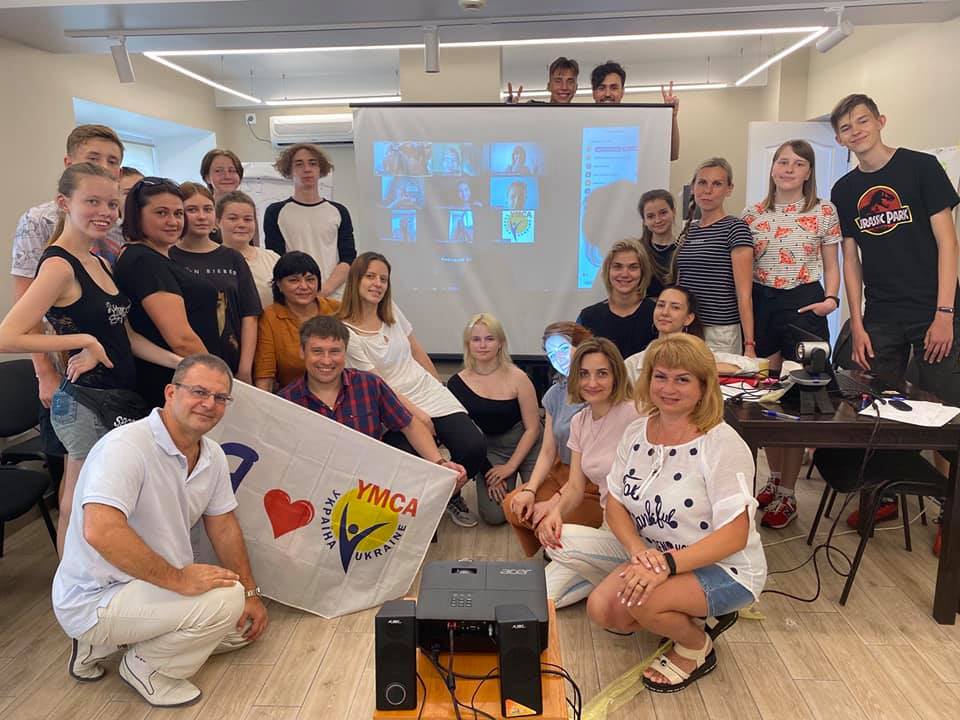
Dear YMCA family and not only! We are happy to share with you the good news: the joint project “Back to active life: fighting Covid-19 challenges” of YMCA Ukraine and YMCA Europe “Roots for Peace” is up and running!

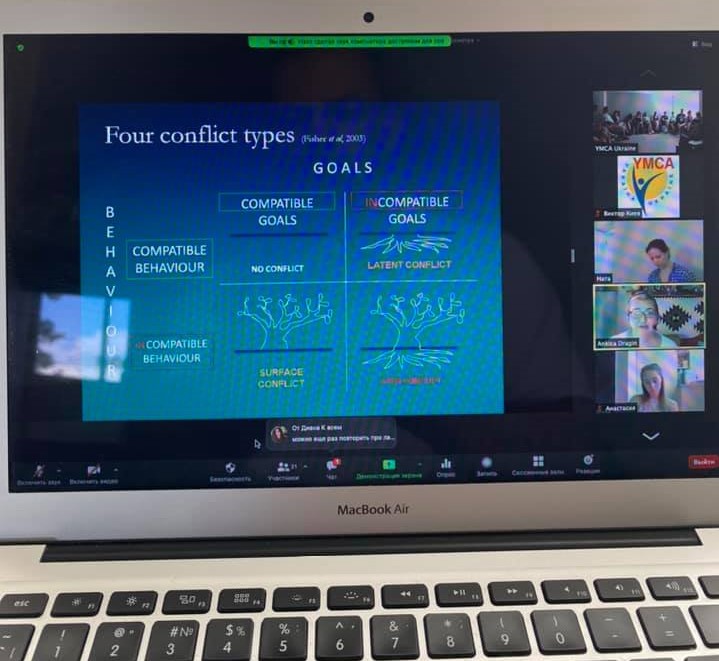
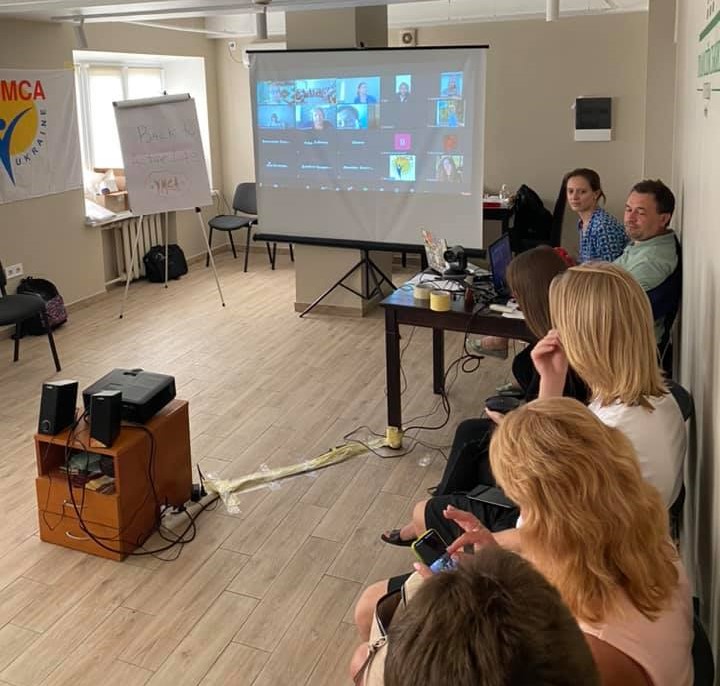
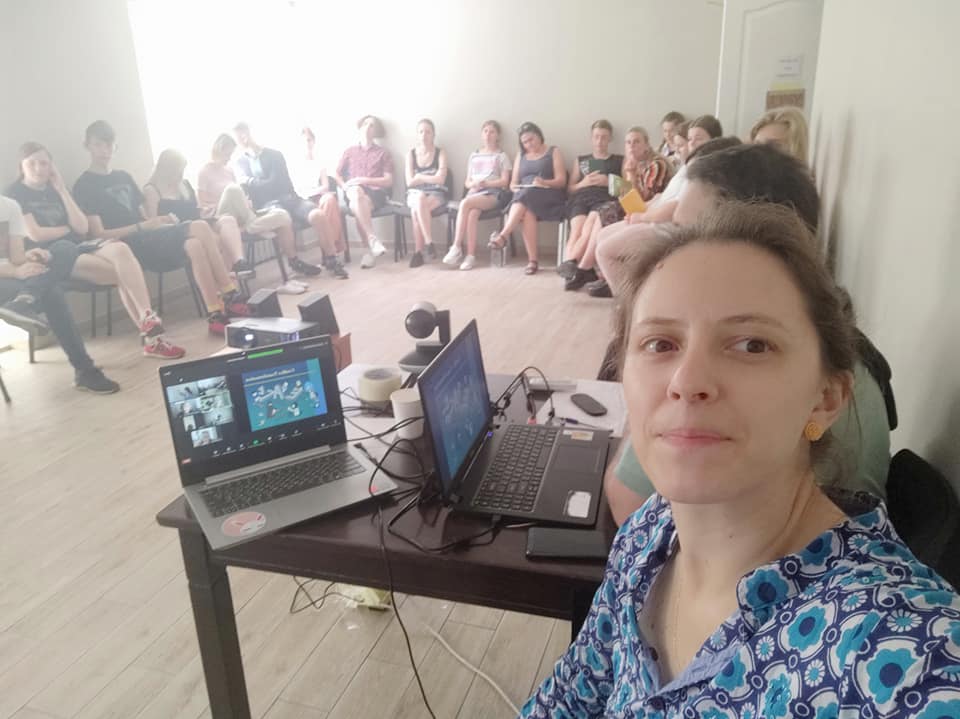
The first start-up training in the project framework took place in Kiev last week and was a big success! The training had a blended format: half of the participants were offline and the other half – online.

The initiative is implemented in cooperation with the Roots and envisages a variety of online and group activities, as well as practical outputs – all leading towards strengthening the capacity of the YMCA Ukraine, as well as empowering young people to cope with the challenges caused by the COVID-19.

In total, more than 40 people participated: 33 – from Ukraine and 11 – from Russia. Most of the participants were under 30 years of age.

The participants received substantial knowledge and skills on how to combat negative consequences of Covid-10 in such areas, as:

  • Conflict resolution
  • Psycho-social resilience
  • Employability improvement


Specific innovative tools related to above-mentioned areas were presented. The trainees are expected to share acquired know-how with a wider audience  in their respective local communities, young people particularly considered.

The YMCA Europe Peacework Guidebook is  currently in the process of translation into Russian and Ukrainian and once completed, it will be used as one of the primary educational resources within the project framework.

The following online sessions and local activities will be held during July – November.  So, stay tuned! A lot of useful and interesting information will come along in due time.

We are back to active life! Covid has no chances…!

Congratulations to the organizers and participants, thanks to our Peace Work Institute Alumni Nataliia Vainilovych for her commitment & involvement.

I am Roots: Besnik Hoxha

Since its inception in 2012 and with two cohorts (2012-2014, 2014-2019) of participants that passed through it, the Roots Peace Work Institute (PWI) sought to enroll young leaders of different backgrounds from across Europe, young people who were and are a voice and not an echo – eager to learn, to try, to grow… Like raw diamonds to shine after the grind.

And we believe that most of these 46 Alumni managed to develop both personally and professionally as they journeyed through PWI.

Today we share with you the story of Besnik Hoxha, a committed young leader from Albania.

Besnik joined Roots on the cohort of 2017-2019. He studied psychology and holds a Master’s degree in Clinical Psychology. At the moment he is working as a counselor at an organization that works with active/former drug users.

His first-ever real peacework experience was Roots. Previously he had been a part of some small-scale initiatives and activities, but nothing close to the Roots level.

“Roots has changed me a lot in all aspects, personal and professional. I was just someone in university, who didn’t know much about the opportunities, exchanges, other cultures, etc. Now I feel more motivated and full of hope to implement projects, to help and understand people, to have a better impact on the community and of course, on myself.

Any experience shapes the way of your thinking. The thing about Roots is that it works both ways: first, you take and then you start to give. I was a guy living his quiet life, with not so much engagement in the community.

During the years of Roots, I have changed a lot. I found a safe space to express myself and to fulfil the potential of helping others. Ever since my relationship with the community has grown and I have become more and more active as a youth leader. I see my progress in Roots, and this is one of the main reasons why I would recommend young people to take part in the course” – Besnik says. 

Besnik is known in the group as a very positive person, with a smile on his face and willingness to help and be a part of various initiatives. Since the first day in Roots, he kept being closely engaged with the project and the participants of Peace Work Institute, especially through social media.


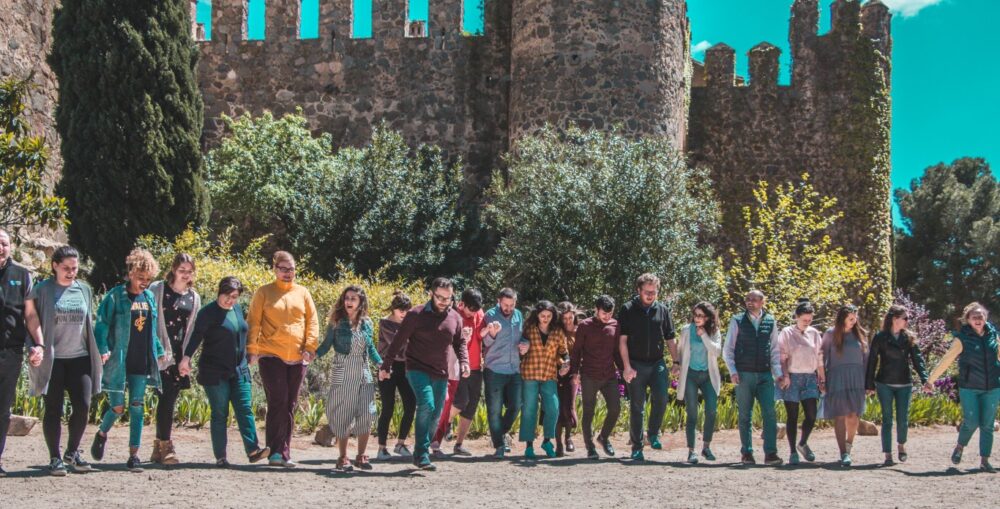
“There are so many unforgettable moments that I always remember with a smile. I think that we are made of moments, and being a #rooter feels like being home.  Every trip had its own uniqueness, but I would go with the trip to Toledo which gave me a sense of belonging and opened me up for bigger opportunities.

I would describe Roots with these words: Understanding, Self-Development, and Support. Roots made me who I am now. It’s like a family where you grow, and then you go through the circle of life.”


Since 2007 and ever growing, from the South to the North, from the East to the West of Europe – the Roots has always been there for those striving to make this world a better and safer place, a peaceful home for all. We go where the need is, responding quickly to the emerging issues with the legacy and mandate, capacity and adaptability gained for all these years.

By donating to the Roots, you invest in youth opinion leaders from all corners of Europe – varied by age, ethnicity, religion, race or wealth, but united with one strong conviction – Peace is the only way!