Be a voice, not an echo

I am Roots: Nataliia Vainilovych

Since its inception in 2012 and with two cohorts (2012-2014, 2014-2019) of participants that passed through it, the Roots Peace Work Institute (PWI) sought to enroll young leaders of different backgrounds from across Europe, young people who were and are a voice and not an echo – eager to learn, to try, to grow… Like raw diamonds to shine after the grind.

And we believe that most of these 46 Alumni managed to develop both personally and professionally as they journeyed through PWI.

Today we share with you the story of Nataliia Vainilovych, a talented young leader from Ukraine.
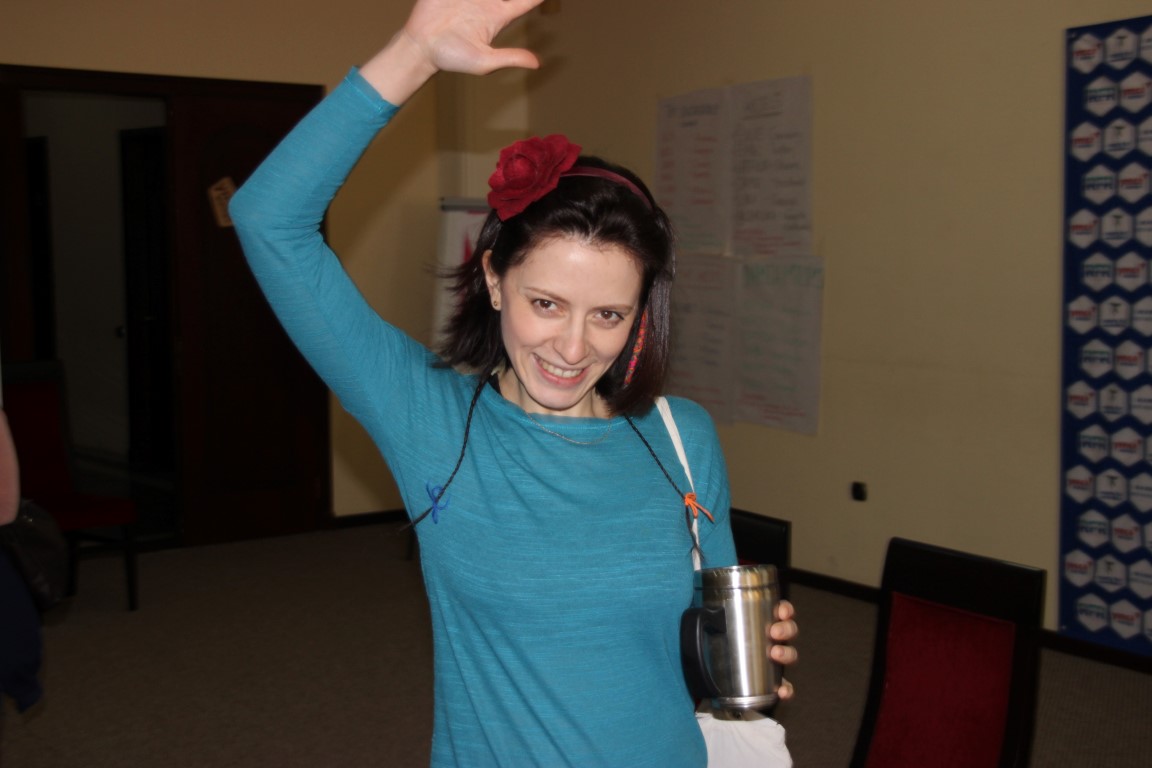
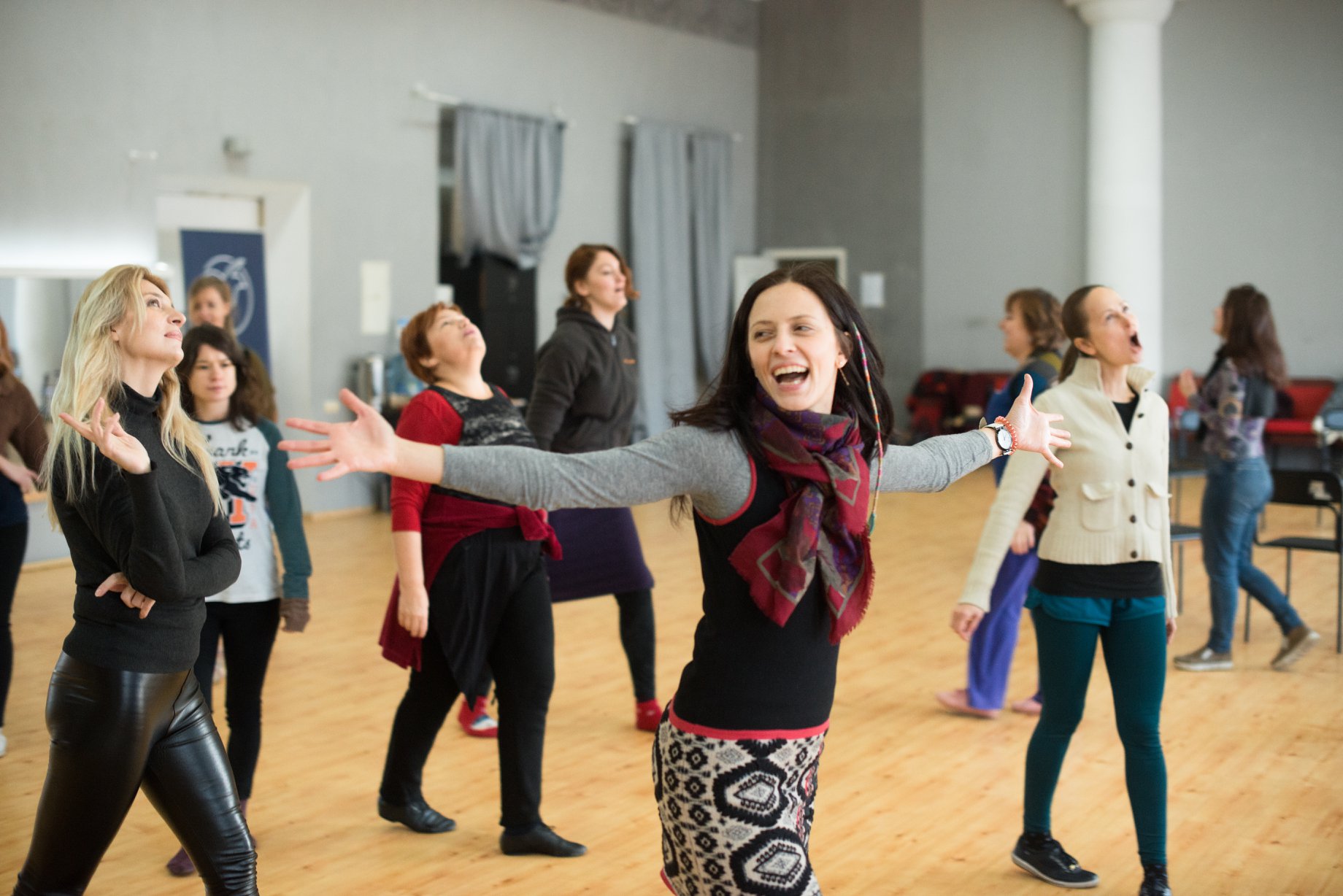
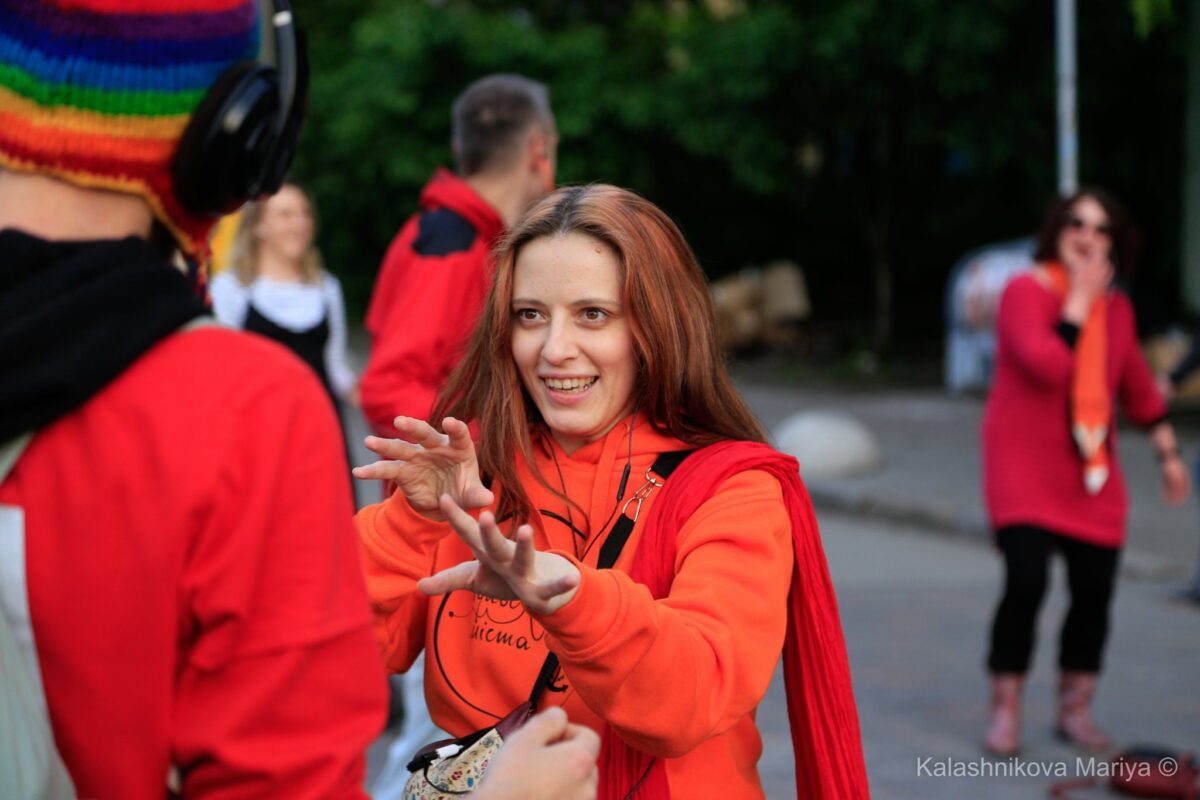
Nataliia is engaged in participatory playback theatre. This type of art is very unique because it is about the people and their own stories. As Nataliia puts it, this way we can see people and maybe look at them from a different angle, understand from someone else’s experience how to live, make plans, how to help people live without conflicts.

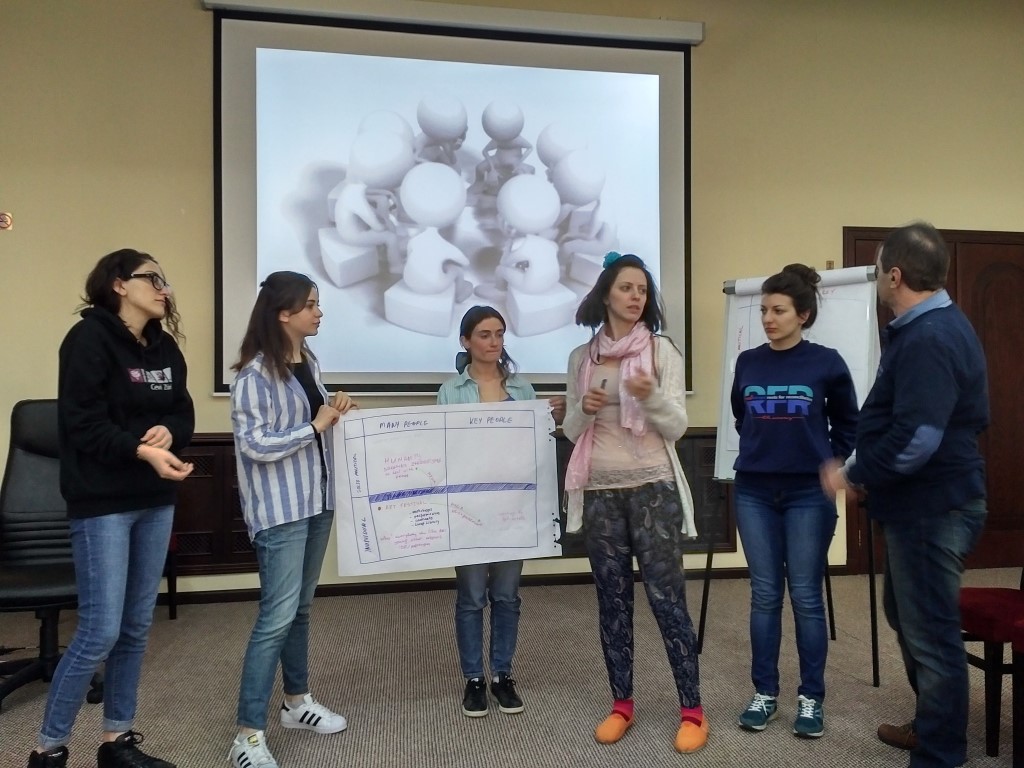
Nataliia joined Roots in 2017. After the program, she participated in the Conflict Transformation Academy, which was organized by a German organization. The program was about peacebuilding, where she continued to study the theory of peace and how to design programs with international groups.

“Roots was a good motivator for me, it aroused interest in peacebuilding. During the project I gained a lot of experience in the field, I made a small handbook where I kept records of practices and activities used within Roots. It was a very good experience for me. After that, I felt very happy when I helped Roots to organize a street performance in Toledo.

Roots encouraged me to work on projects, to explain how important human interactions and alumni meetings are․․․ It was a place of growth for me and a great tool to re-evaluate my work. Maybe I would like to be part of an art group in the future. At the moment I am not very active in the Roots because I do not have the resources, but I still have that fire inside me,” says Nataliia.

Nataliia made a great contribution to Toledo PWI Alumni Reunion. Within a few hours and together with her team, they succeeded to “build” a theater. According to Nataliia, there are many cognitive components in Roots – thinking, but the theater introduced a series of actions. The most pleasant thing for her was that people responded and started organizing the event with her.
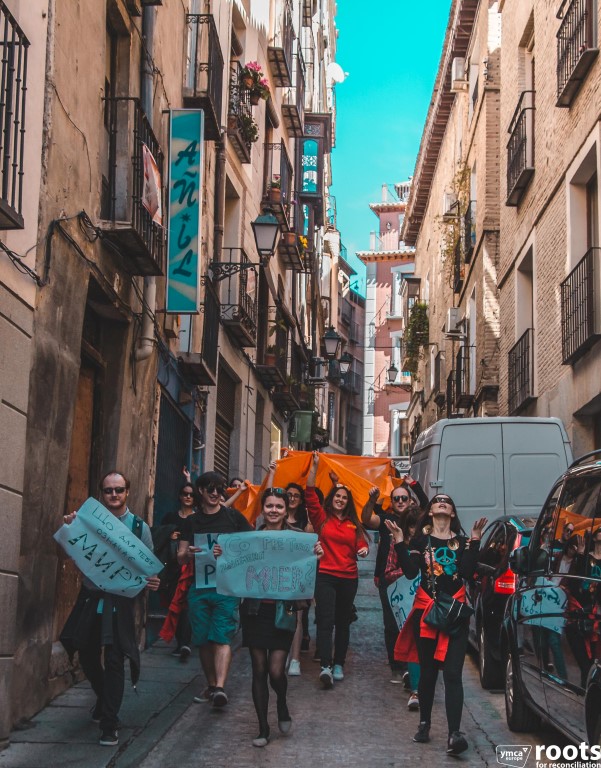

“The reunion was the best moment for me in Roots. After a while you meet people with whom you have been friends and shared important things, those you loved and respected… And here they come – one is married, another has changed a bit or has a child․․․ 
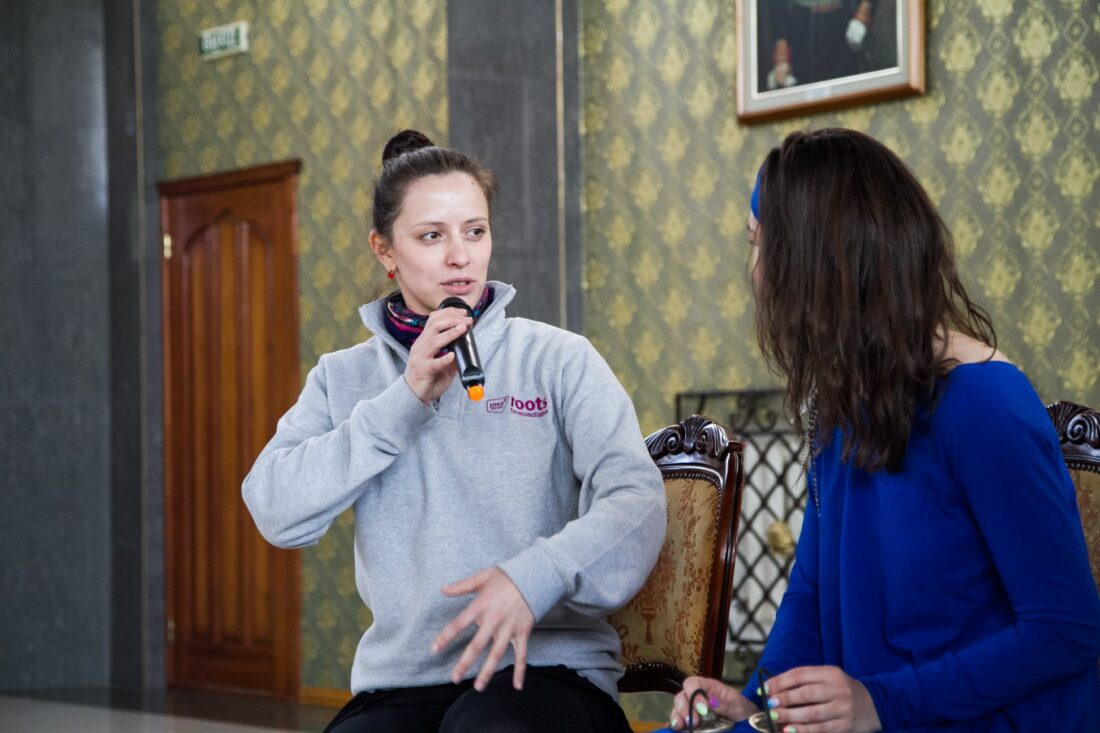

Another bright moment was our Toledo quest, the beautiful city tours․․․ I remember our games, our thinking, sometimes they wake up in my memory and warmth arises inside me․․․ 
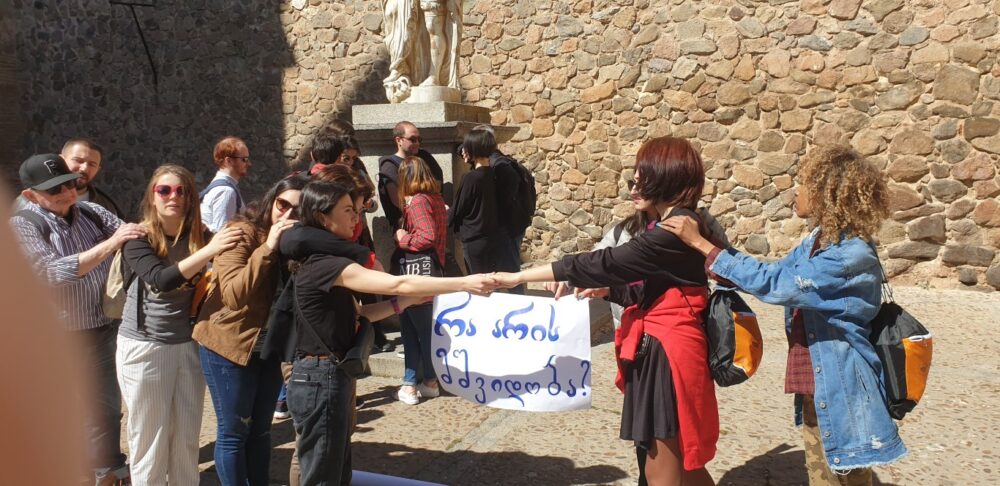
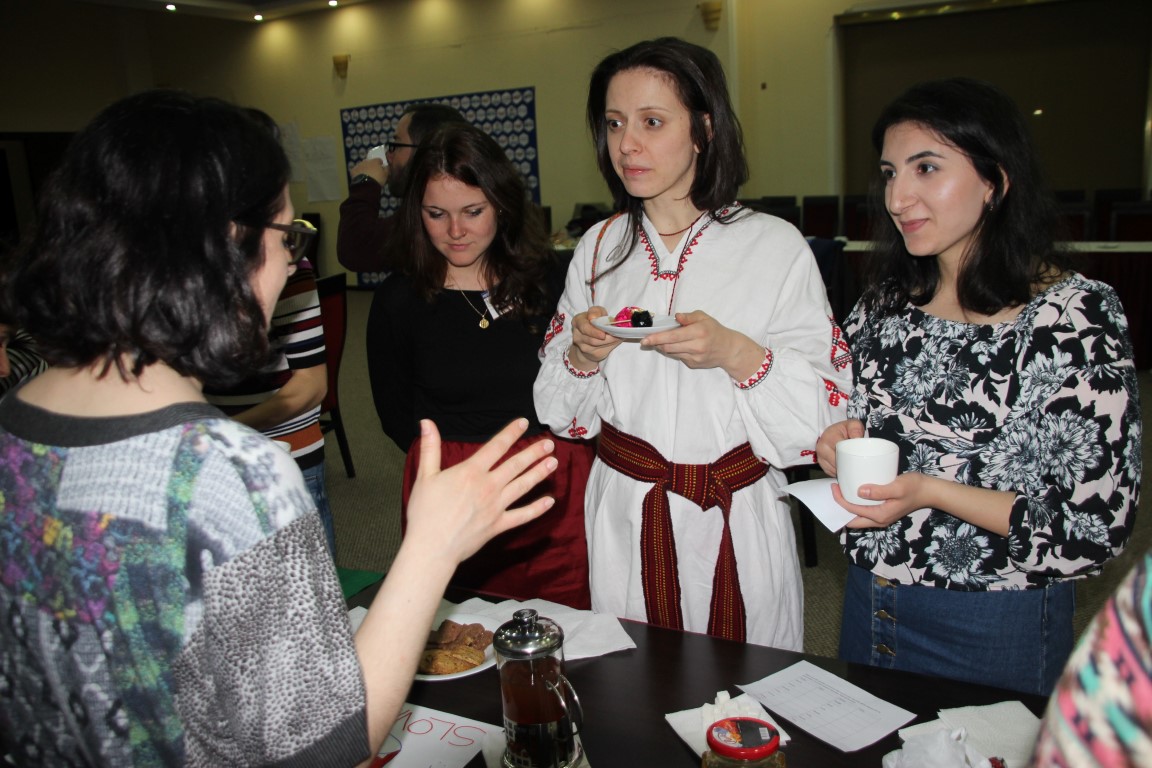
I can’t forget the interviews when the whole group was divided into two parts, where one group was interviewing the other group. It was very strong, we were able to get to know each other for real. I would very much like to have more of such things. 
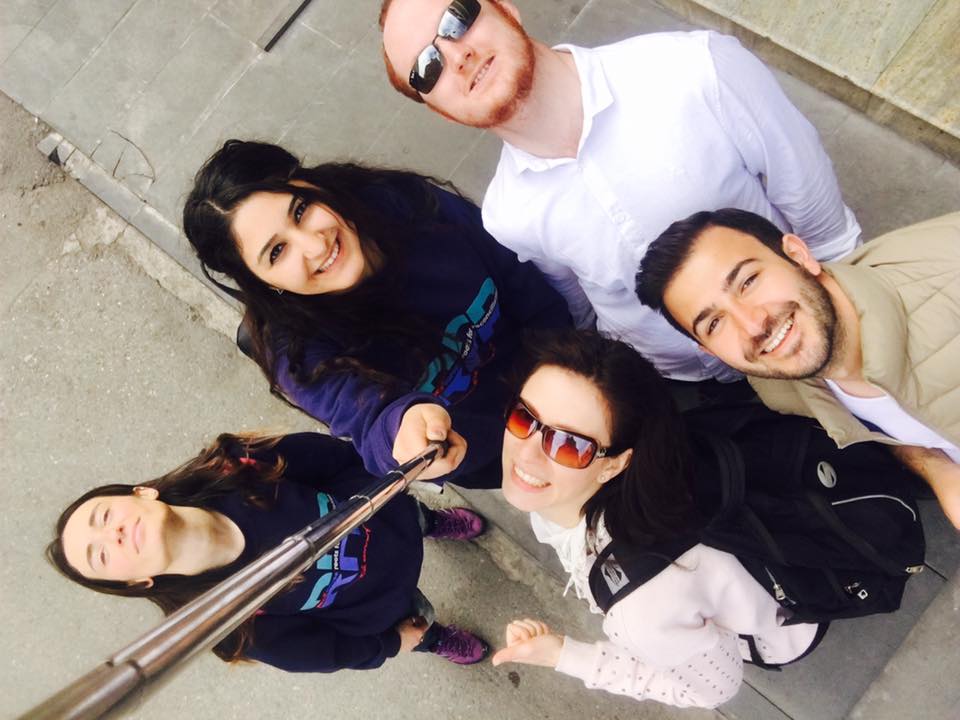

For me, Roots is communication, interconnections, rethinking․․․

Nataliia says that she would definitely recommend other people to participate in the program. For those who want to understand what peacebuilding is, this is an ideal platform.

“Only if they realize their motivation, how it will be used and developed later with their participation in the local YMCA”, Nataliia says. 

Since 2007 and ever growing, from the South to the North, from the East to the West of Europe – the Roots has always been there for those striving to make this world a better and safer place, a peaceful home for all. We go where the need is, responding quickly to the emerging issues with the legacy and mandate, capacity and adaptability gained for all these years.

By donating to the Roots, you invest in youth opinion leaders from all corners of Europe – varied by age, ethnicity, religion, race or wealth, but united with one strong conviction – Peace is the only way!
Youth, Peace and Security: our YMCA Work

YMCA Europe has a long history of working on peace and youth, thanks to the amazing work done by our Roots for Peace Programme.

We believed it was time to go beyond programmes, and to bring the expertise we developed to the work with other youth NGOs, straight into advocacy territory.

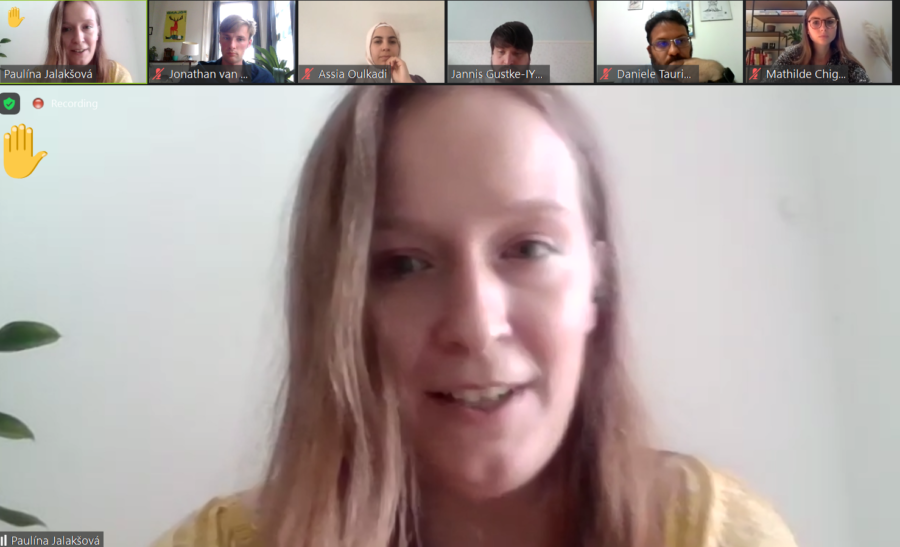
To do so, we joined the European Youth Forum Network on Youth, Peace and Security, nominating as our delegate Jonathan Van Varik, head of the international committee of YMCA Nederland, and strongly involved with the Roots for Peace.

Jonathan participated to the very first meeting of the Youth, Peace and Security Network on the 11th of June.

This one-hour-meeting served to introduce all the delegates making up this group. It was also meant to set up the networks’ aims and goals and to discuss the practical form these meetings will take.

Participants and delegates got to know each other and the organisations they represent, but also the activities related to peace and security their organisation oversee.

Jonathan presented the youth and peace work of YMCA Europe, noting how it would be great to have even more YMCAs who work on the topic connected to the Network.

The aims of the Network group are:

  • networking people involved in similar corners of this work,
  • give a way to exchange information of each other’s projects, and
  • draft joint memo’s, policy papers, statements and more.

Meetings will likely be organised as regularly as every two months, allowing the delegates to update each other and plan joint actions with frequency.

If you would like your work on Youth, Peace and Security to take advantage of the work of the Network, please contact us at info[at]ymcaeurope.com

I am Roots: Frah Saeed

Since its inception in 2012 and with two cohorts (2012-2014, 2014-2019) of participants that passed through it, the Roots Peace Work Institute sought to enroll young leaders of different backgrounds from across Europe, young people who were and are a voice and not an echo – eager to learn, to try, to grow… Like raw diamonds to shine after the grind.

And we believe that most of these 48 Alumni managed to develop both personally and professionally as they journeyed through PWI.

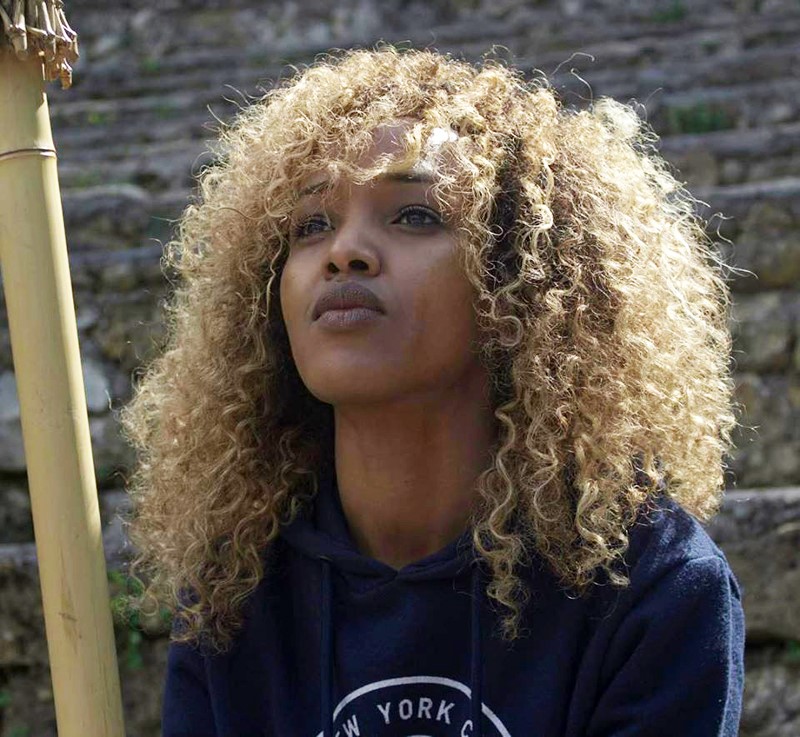
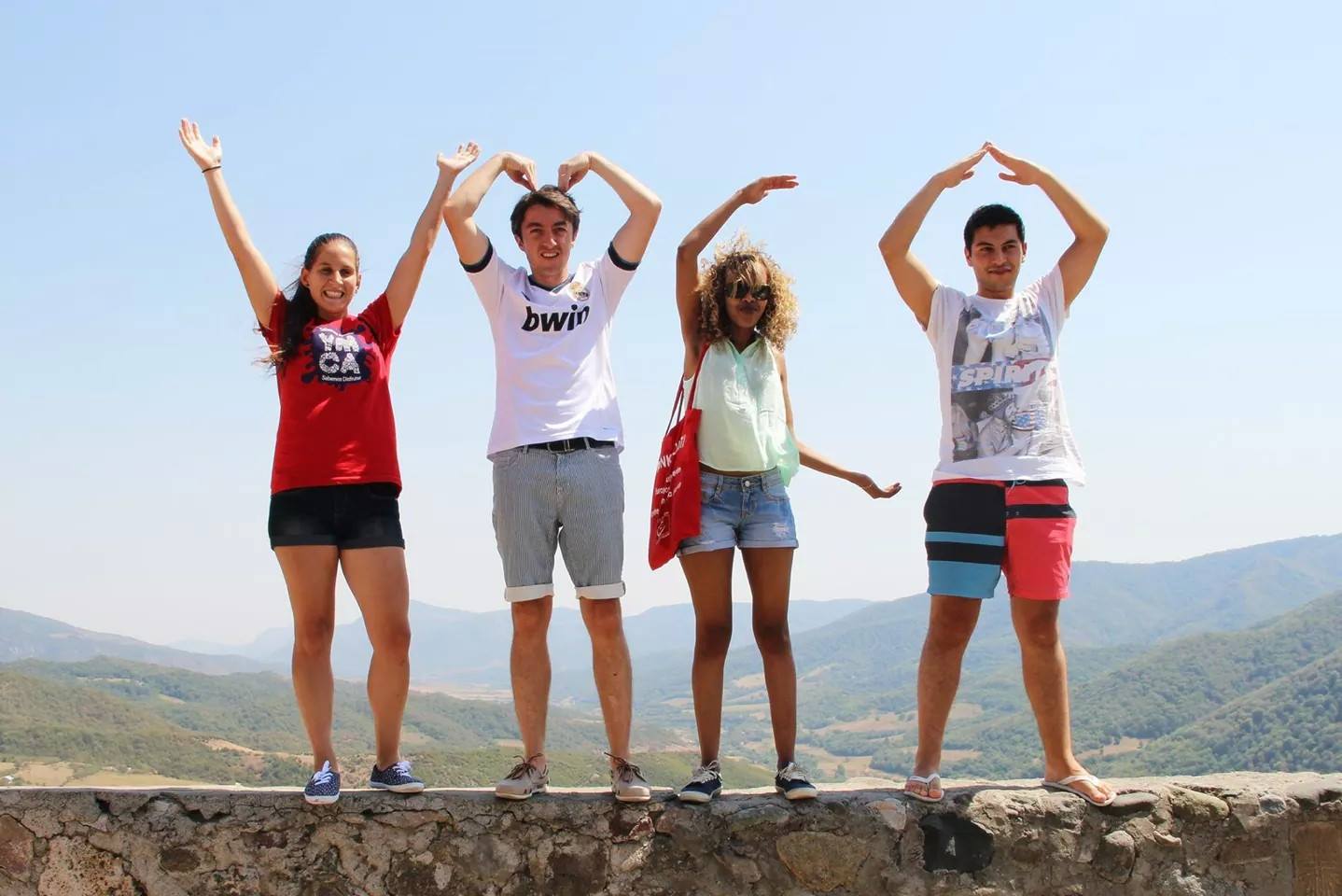
Today we share with you the story of Frah, a charismatic young leader who originates from the Horn of Africa  (a country torn by decades of civil war), and lives in London at the moment. Although she hasn’t witnessed the war personally, the impact of it has made her a refugee with many questions and challenges.

Frah currently works in the public centre as a navigator for homelessness and rough sleepers.

“A very challenging yet rewarding job, a field I would have never imagined working in but my involvement and experiences with Peace Work Institute has lead me through that path and I am so indebted for being part of changing someone’s life for the better, that is priceless,” Frah says.

Through the Peace Work Institute journey, Frah has come to realize that peacebuilding is not just a job, but a personal commitment to contribute towards building peaceful communities within our own capacities.

As she mentions, she always thought that peace and the issues surrounding it were work meant for the government, but her time with the Peace Work Institute project and one specific trip to Karabakh proved to her that each of us could be a worker for peace.

“The trip to Karabakh was a trip that resonated with me on so many different levels, I felt a sense of inner belonging, it felt so close to home, I saw my hopes and dreams in the eyes of each and everyone I met during this trip. A trip that ignited in me a passion and eagerness to seek whatever opportunity may present itself and be a peacemaker (and peacekeeper) in my own surroundings. 

Peace Work Institute was an opportunity to be transformed by perspectives and stories from around the world that I may otherwise have never even known existed. I have had so many rich experiences and opportunities with the Roots that will forever shape and influence my professional life while fostering personal growth and development. I have made lifetime friendships and connections that would otherwise never exist. The experiences I have gained through Peace Work Institute has had an enormous impact on my personal life, an impact that has changed the lens through which I view the world and my life in it,” shares Frah. 

Frah was also loved by the people of Karabakh, till now the YMCA Karabakh members remember her with fond memories and are looking forward to meeting her again, as she was open and warm-hearted to those human beings living in a conflict region.

The safe spaces created during the Peace Work Institute scheme allowed for openness, diversity of stories, learning and sharing of experiences. It inspired Frah and other participants to believe that peace is a reality that is not impossible to achieve. She learned how basic civility to others in our community and communities all over the world can make a positive impact that travels further than we can even imagine.

“It has also taught me to live my life with integrity and character and inspiring a positive change in myself and in the lives of those around me that I make peace with. 

I appreciate the PWI for no other reason than for the fact that I now feel more able to take the proverbial step into another person’s shoes and imagine their struggles, feel their hopes, and respect their successes and failures.

PWI has made me feel more deeply for other people and has put into perspective the highs and lows in this world. I hurt more and I love more deeply, I see more joy and much more sorrow, I’m more introspective and less impatient.

PWI to me is Growth, Change, and Belonging and I would encourage any young person who is presented with any opportunities like PWI to dive right in for it will shape your life for the better,” Frah Saeed. 


Since 2007 and ever growing, from the South to the North, from the East to the West of Europe – the Roots has always been there for those striving to make this world a better and safer place, a peaceful home for all. We go where the need is, responding quickly to the emerging issues with the legacy and mandate, capacity and adaptability gained for all these years.

By donating to the Roots, you invest in youth opinion leaders from all corners of Europe – varied by age, ethnicity, religion, race or wealth, but united with one strong conviction – Peace is the only way!
I am Roots: Tatul Bostanchyan

Since its inception in 2012 and with two cohorts (2012-2014, 2014-2019) of participants that passed through it, the Roots Peace Work Institute (PWI) sought to enroll young leaders of different backgrounds from across Europe, young people who were and are a voice and not an echo – eager to learn, to try, to grow… Like raw diamonds to shine after the grind.

And we believe that most of these 46 Alumni managed to develop both personally and professionally as they journeyed through PWI.

Today we share with you the story of Tatul, a 30 years old young actor from Armenia.

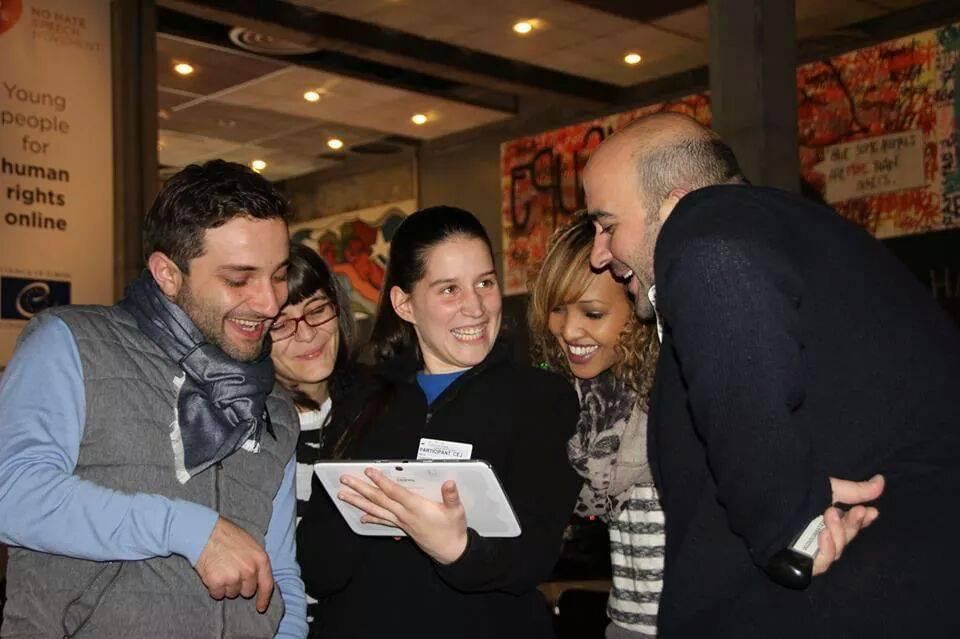
Tatul Bostanchyan is a walking energizer himself. This is how anyone from the Roots will describe him. He works at the theatre and at the same time is the director of the  Lori (local region) National Entertainment Center․

Among the Rooters Tatul is known for his sense of humour. He joined the Roots in 2007 when he took part in the Shushi camp in Nagorno-Karabakh. Then in 2012 he joined the Peacework Institute and remains strongly committed to YMCA Armenia and the Roots.

Before the program, he had nothing to do with peacebuilding. As he recalls with humour – the only connection was during his childhood, when the children would play and fight each other in the year, he would go and separate them.

In his words, Roots had a great influence on his development as a person:

“The program has affected me a lot. First of all, I have made many life-long friends not only from Armenia but also from countries I have never been to before: Romania, Serbia, Kosovo, Spain, England, Georgia, Russia․․․ 

Second, my worldview has changed. I have overcome many complexes and barriers in me. I have even met participants from the countries with which we are in conflict. I never imagined that we could sit down and talk peacefully about some issues. In other words, our conflict has remained, but my attitude towards it has changed.

Third, I have become closely acquainted with the conflicts of other countries. For example, I did not have a good idea of ​​the conflicts in Kosovo and Serbia before, or the Georgia-Russia one. Living in our region, sometimes we see the picture only through the eyes of Russia, but communicating with the Georgians, I got acquainted with their words, I saw the situation from both sides.

As a result, I made comparisons with our conflict, of course,” says Tatul.

During the first session of the Peacework Institute, the project leaders always underlined that we are not here to discuss and resolve the conflicts in our countries. That is not our mission. We are here to continue to be human in the context of those conflicts and not to harm each other.

Tatul is a vivid example that in PWI people learn not to see things from a single perspective, but to remember that a coin always has two sides.

“I have many unforgettable moments in frames of the Roots. But I will share one story. Once I was in Prague at the YMCA Europe Festival and it was when the Georgia-Russia war started.

Because our flight back home to Armenia had to fly through Georgian airspace and it was closed due to military activities, we were unable to depart and together with Georgian group were forced to stay in the hostel for a few more days until the situation was resolved.

We stayed in the hostel and spent most of the time together – supporting Georgians during a very difficult period for them. We were with them and I think they felt it,” says Tatul.

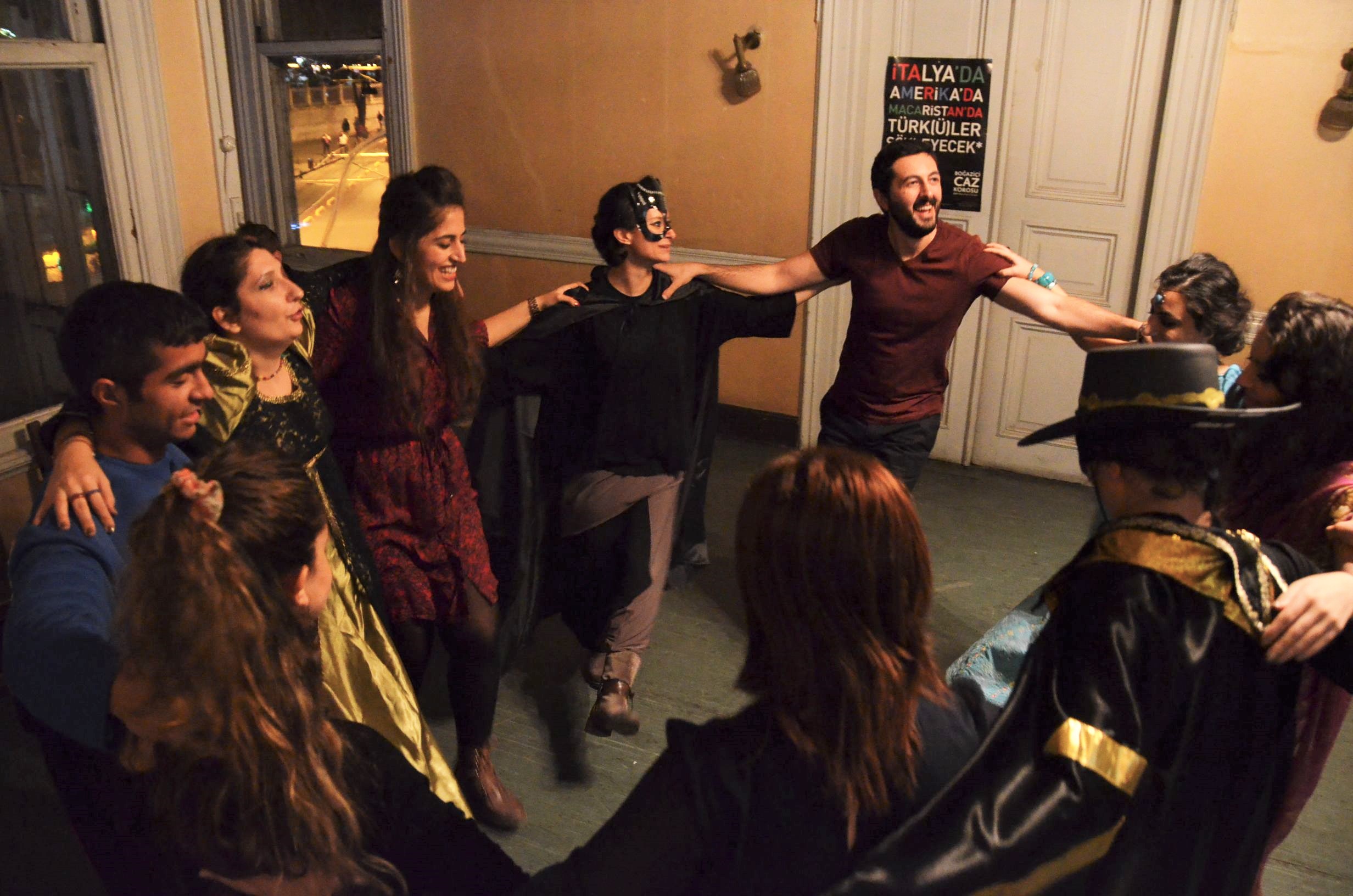
The other story that Tatul told is related to his visit to Istanbul. When the participants took to the streets in carnival costumes and made everyone happy with their appearance. And at the end, by the historic YMCA building with Hagia Sofia just across the street – the Armenians and the Turks danced the Qochari dance together․․․

“It was a very emotional moment, and for me, it was a historic occasion. Roots is a family, Roots is my family“ says Tatul.


Since 2007 and ever growing, from the South to the North, from the East to the West of Europe – the Roots has always been there for those striving to make this world a better and safer place, a peaceful home for all. We go where the need is, responding quickly to the emerging issues with the legacy and mandate, capacity and adaptability gained for all these years.

By donating to the Roots, you invest in youth opinion leaders from all corners of Europe – varied by age, ethnicity, religion, race or wealth, but united with one strong conviction – Peace is the only way!
YMCA Artsakh Starting Preparations of the Camp for Peace

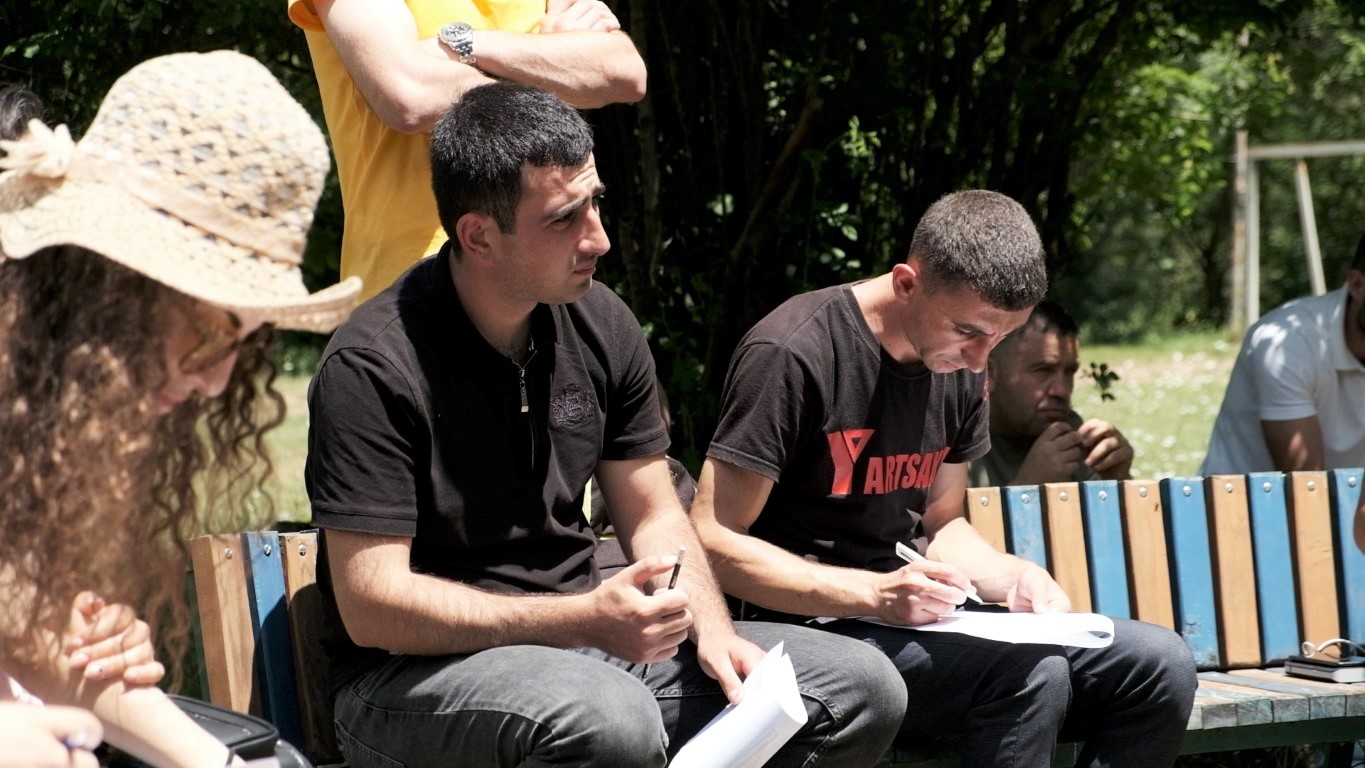
June 5th was an event day after a long break in the YMCA Artsakh calendar. It was the first meeting after the war in Artsakh in the fall of 2020.

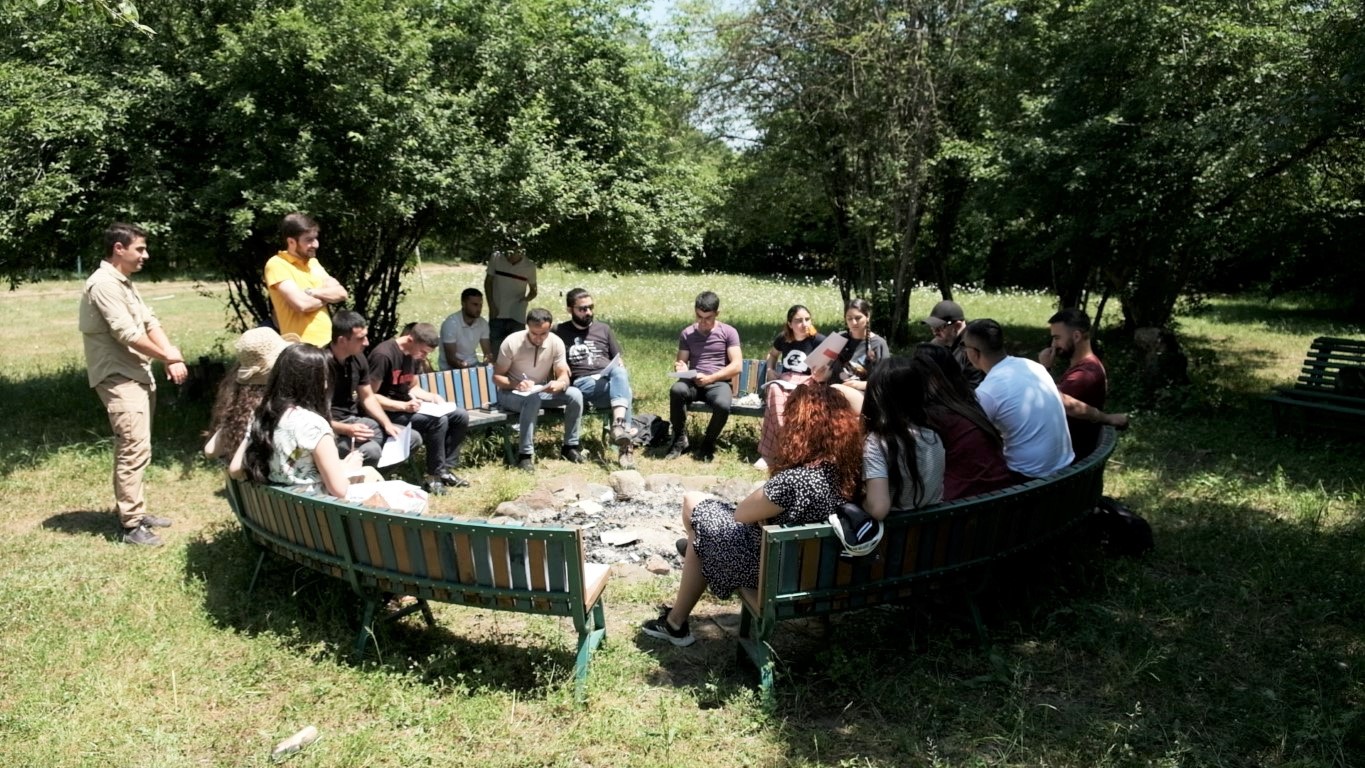
About 30 young people from different cities and villages came together for the event that had two purposes:

  • to meet each other and share the feelings after the war, as well as to make the participants feel that we are next to each other during these difficult days;
  • to create a platform for the camp in July and discuss the preparations for it.

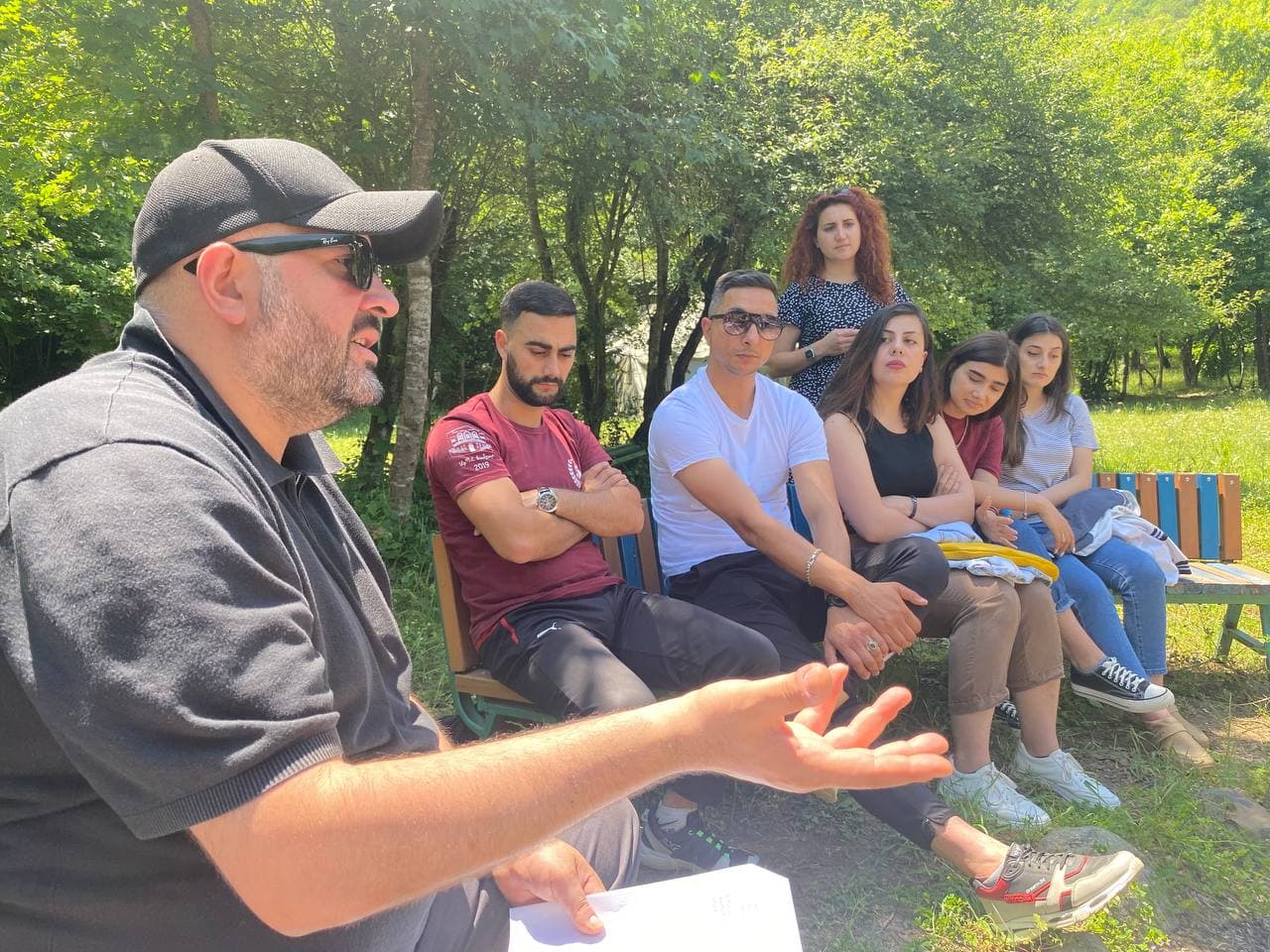
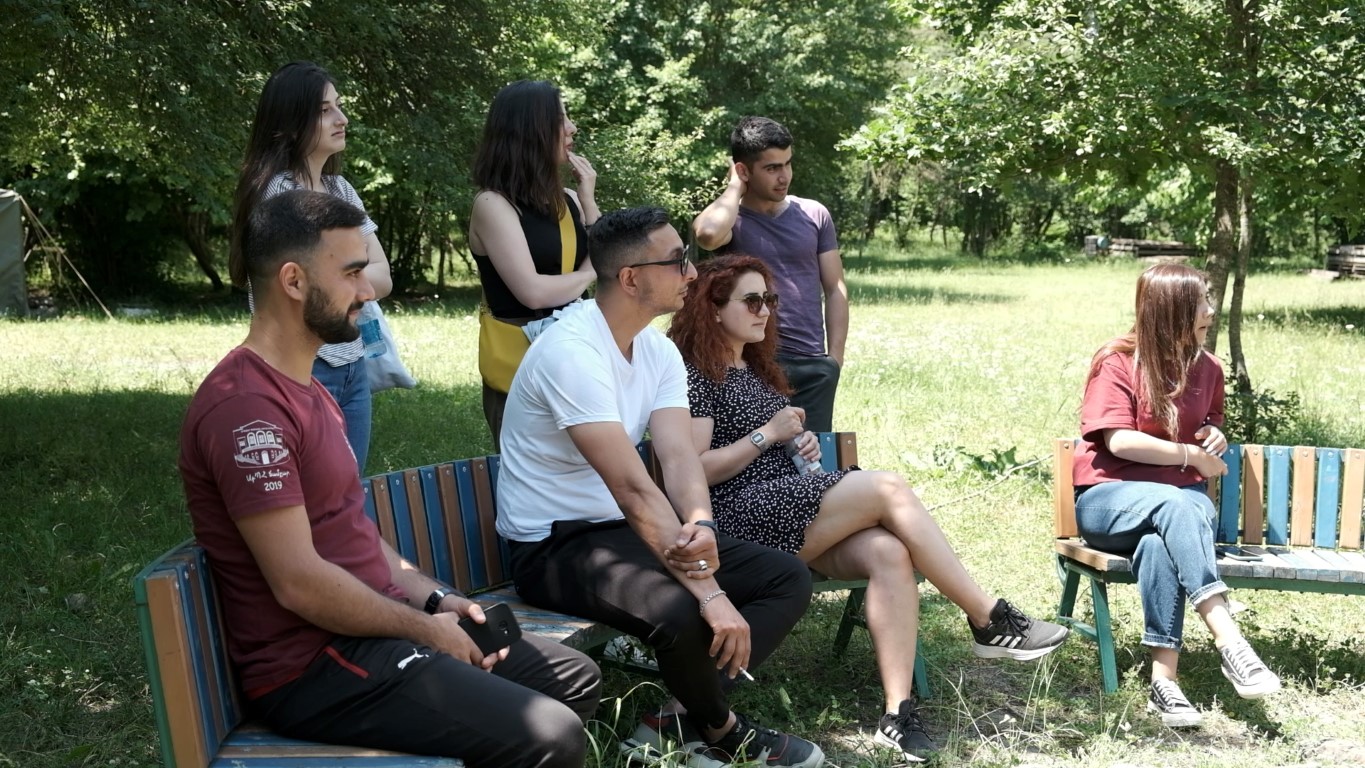
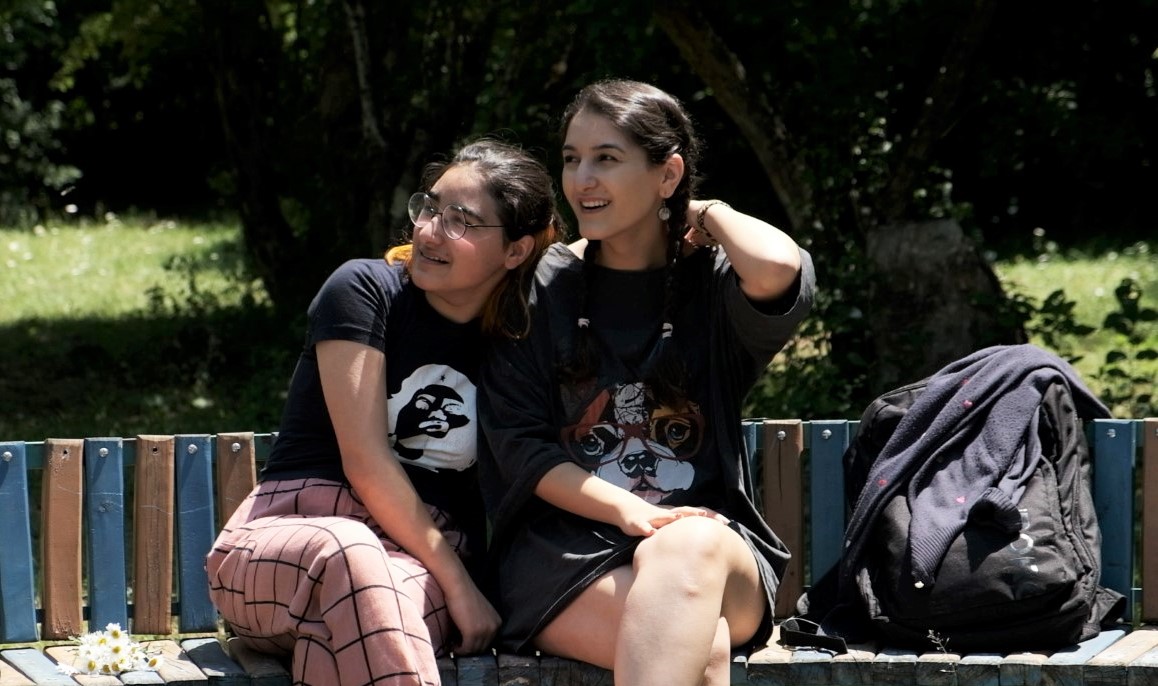
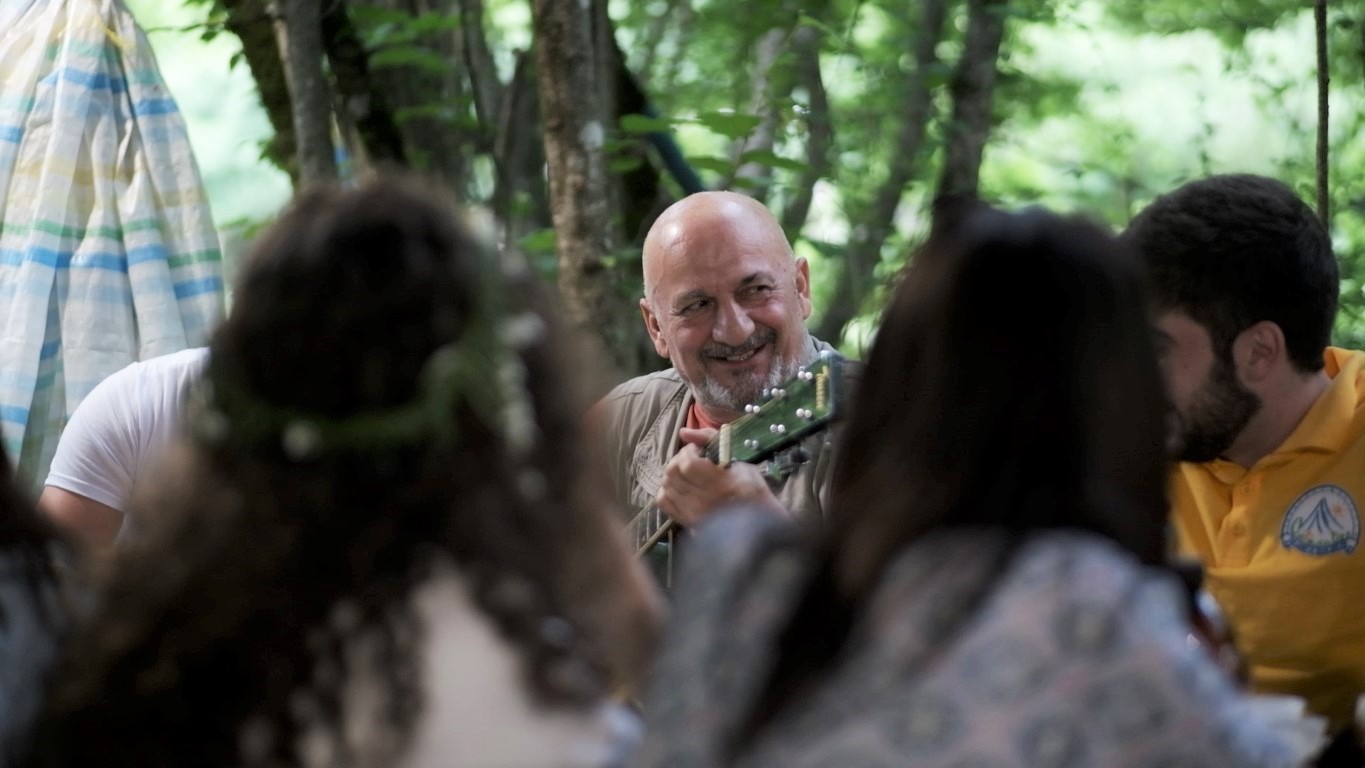
The young people  that gathered in the village of Patara, where the camps are regularly organized, enjoyed a day away from all the problems. Everyone was happy to meet, old friends again had the opportunity to interact and encourage each other to look with a hope towards the future.

During the event, the YMCA Artsakh leaders informed the participants about their future plans, in particular about the upcoming camp and discussed a number of issues.

A core team of those wishing to participate in the camp’s organizational work was also formed. It will be an opportunity for some young people to acquire leadership skills and to transform from a participant to an organizer.

The situation in Artsakh has changed after the war, that is why the needs of young people have become different too. The leaders of the YMCA Artsakh conducted a survey to find out what topics should be included in the camp agenda or, for example, which sports games would be more interesting.

According to that survey, young people’s favourite topics are:

  • conflict transformation,
  • media literacy,
  • storytelling.
  • video editing skills.

In addition, 80% of respondents answered in the affirmative mode to the question of whether it is necessary to include the services of a psychologist in the team and individual work.

Also some young people think that now, after the war, the organization of the camp is even more important and urgent than before the war, because the young people drastically need support to overcome the difficulties they face.

After a long discussion, the participants had lunch together and enjoyed time in a good atmosphere. Then it was time to say goodbye, hoping to meet again in the camp soon.

The event was organized through the YMCA Europe Leadership Academy mini-grant program, which gives young people the opportunity to implement relevant initiatives in their communities.

As it goes to the forthcoming trauma-healing summer camp,  the YMCA Europe has provided € 10,000 to YMCA Artsakh within the Roots Local Capacities for Peace facility. The event organized on June 5 is the logical beginning and the start of the preparatory works of this project called “Camp for Peace”.


Since 2007 and ever growing, from the South to the North, from the East to the West of Europe – the Roots has always been there for those striving to make this world a better and safer place, a peaceful home for all. We go where the need is, responding quickly to the emerging issues with the legacy and mandate, capacity and adaptability gained for all these years.

By donating to the Roots, you invest in youth opinion leaders from all corners of Europe – varied by age, ethnicity, religion, race or wealth, but united with one strong conviction – Peace is the only way!
I am Roots: Rachel Dyne

Since its inception in 2012 and with two cohorts (2012-2014, 2014-2019) of participants that passed through it, the Roots Peace Work Institute (PWI) sought to enroll young leaders of different backgrounds from across Europe, young people who were and are a voice and not an echo – eager to learn, to try, to grow… Like raw diamonds to shine after the grind.

And we believe that most of these 48 Alumni managed to develop both personally and professionally as they journeyed through PWI.

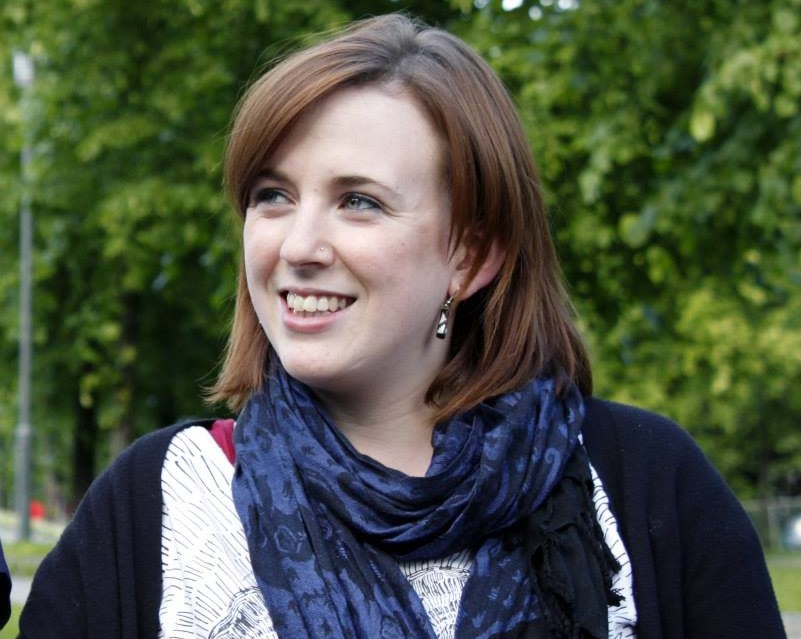
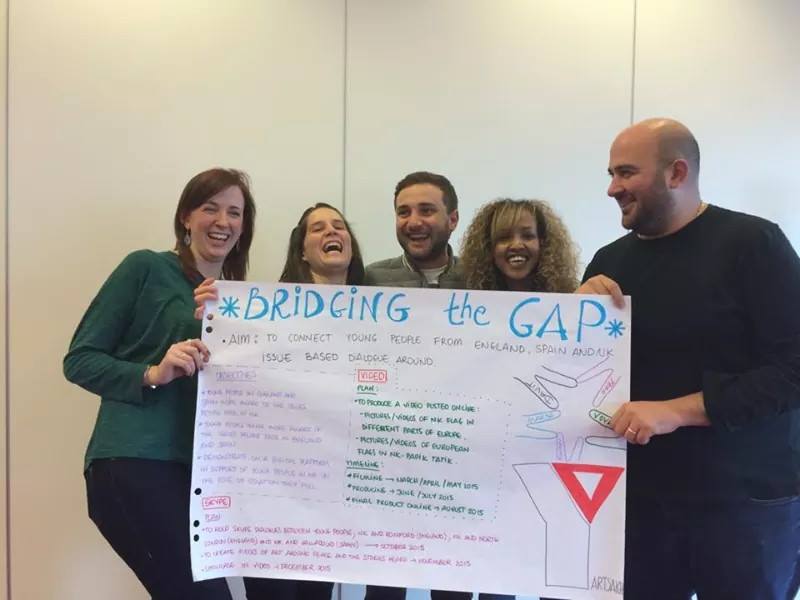
Today we share with you the story of Rachel, a brave and beautiful peace-worker from England.

Rachel joined YMCA Tees Valley in March 2010 where she fell in love with the organisation and is yet to leave it.

She has recently returned to her role as Operations Manager of YMCA Teesdale after having her baby daughter in November 2020. YMCA Teesdale is part of YMCA North Tyneside, a local YMCA in North East England. They work with rural young people and communities to provide opportunities and experiences that they would otherwise not have.

Rachel studied Psychology and Counselling with the desire to go into Children and young people’s bereavement counselling. But when it comes to peace-work, there is another journey.

Before the Roots, she attended Bangladesh Dialogue in Diversity in 2011 and 2012 and spent 4 months in India as part of the School of Peace, partially funded by APAY (The Asia and Pacific Alliance of YMCAs ).

When she returned from India she was passionate about getting involved in more local partnerships. Then Rachel got the invitation to participate in Roots…

“Not only did it provide me with an opportunity to visit and learn about the Balkans and Caucasus, an area I had barely heard of – but it gave me the opportunity to further develop my understanding of the issues young people face, ways in which we can break down these barriers and opened me up to life-changing experiences. It provided me with opportunities to learn about myself and leadership training which I now use in my daily life.

It helped me to learn about different approaches to peace and reconciliation, project design (another tool I use on a daily basis in my job).

It also introduced me to some of my favourite people, people I am privileged to call friends and colleagues. It introduced me to people who have had a massive influence on my life and for that, I will be eternally grateful to Roots. It helped me understand the world around me and the world I am part of.

Roots changed my perspective – I am no longer British (from a military family this was a big part of my identity), but I now identify as European thanks to my affinity to those stories I have been honoured to hear and see through my experiences in Roots” says Rachel. 

As Rachel says, this experience helped her develop many skills in a variety of areas which helped her to get the job she now has.

She has always been a peaceful person, someone who seeks out reconciliation.

“But this project, with the School of Peace, helped me to formulate this into action on a much grander scale. Within my work, the work we deliver at YMCA and in my personal life. There are so many unforgettable moments I will never forget. It would be hard to name all of them, the people and places I have been blessed to visit and meet always stick with me.

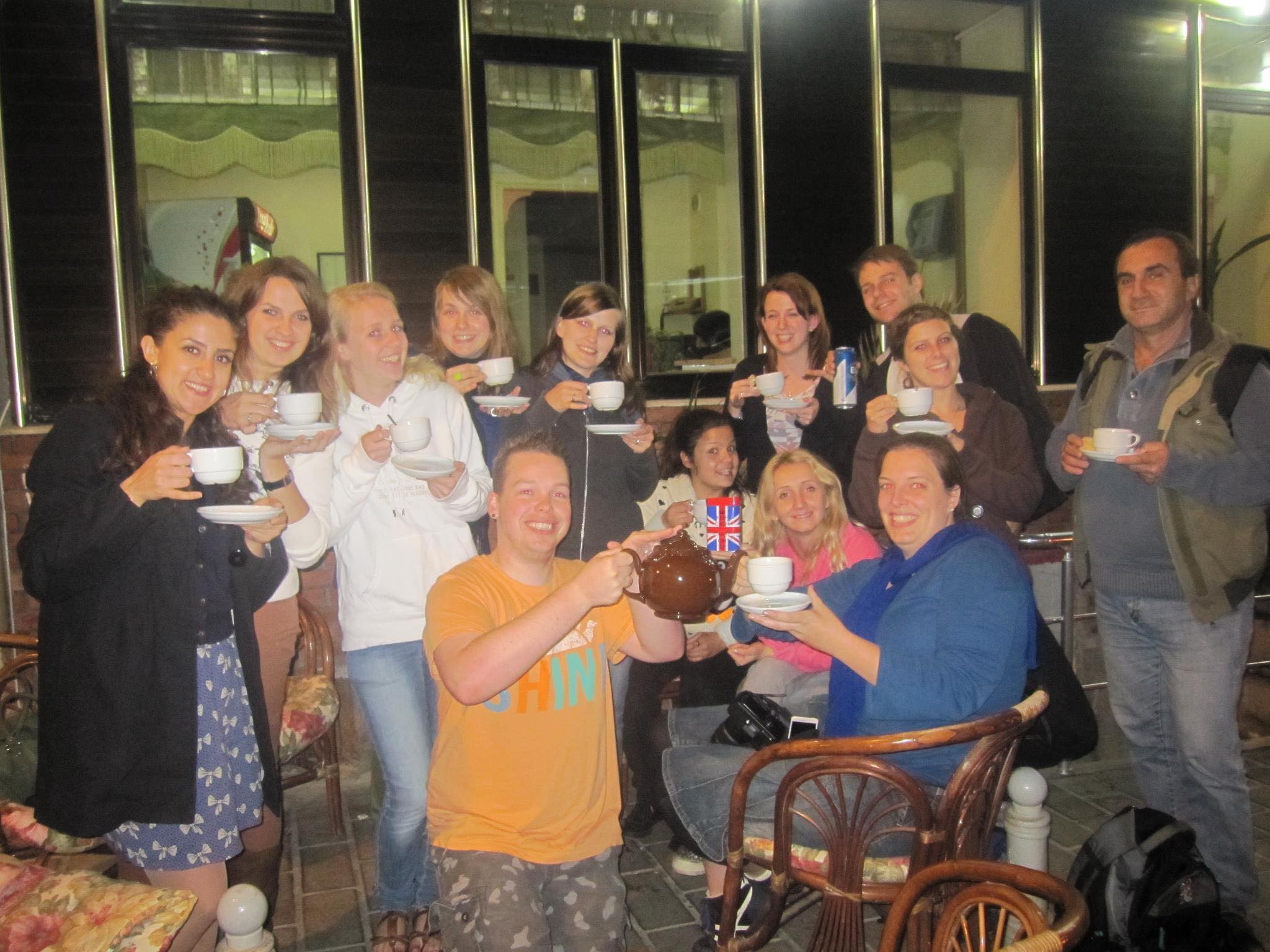
Being in European Youth Centres with the Leadership team; walking the streets of Istanbul with dear friends leading to an English Tea Party later that evening which became something we recreated with a tea party with a twist at following PWI (Peace Work Institute) meetings; developing new projects out of the friendships made within the PWI. There is not one unforgettable moment, there are a LOT of unforgettable people that make those moments truly special” shares Rachel. 

As an Alumni of Peace Work Institute, Rachel kept supporting the scheme as she volunteered to share her experience and skills with the next cohort as a facilitator and planning team member.

“I am not from a conflict region but the transformation I myself went through, the transformation I saw others go through as part of this project is truly special” 


Since 2007 and ever growing, from the South to the North, from the East to the West of Europe – the Roots has always been there for those striving to make this world a better and safer place, a peaceful home for all. We go where the need is, responding quickly to the emerging issues with the legacy and mandate, capacity and adaptability gained for all these years.

By donating to the Roots, you invest in youth opinion leaders from all corners of Europe – varied by age, ethnicity, religion, race or wealth, but united with one strong conviction – Peace is the only way!
I am Roots: Andy Hamilton

Since its inception in 2012 and with two cohorts (2012-2014, 2014-2019) of participants that passed through it, the Roots Peace Work Institute (PWI) sought to enroll young leaders of different backgrounds from across Europe, young people who were and are a voice and not an echo – eager to learn, to try, to grow… Like raw diamonds to shine after the grind.

And we believe that most of these 48 Alumni managed to develop both personally and professionally as they journeyed through PWI.

Today we share with you the story of Andy, a positive activist from Ireland.

Andy’s story is very unique, as his life and studies are connected with peace work. He studied community youth work at Ulster University and is currently back there as a PhD researcher looking at approaches to peacebuilding within the youth sector. Before starting the research he spent 5 years as a youth worker at Ballysillan Youth for Christ.

At this moment he chairs YMCA Ireland’s Global Justice and International Development committee.

Prior to the engagement in the Roots, Andy had some experience in peace work, but not in an international context. He had been involved as both a participant and facilitator of community relations projects in Northern Ireland.

“The Roots project expanded my understanding of conflict contexts across Europe. Through listening to the stories of others I developed a greater appreciation of the similarities, differences, and complexities of conflict settings. The most significant impact of Roots was the networks that grew out of it and the friendships that continue today” Andy says.

Andy also mentions that Roots provided the opportunity to present and discuss conflict and peacebuilding in Northern Ireland. This caused him to carefully consider how to articulate his own experiences, as well as experiences of others who inhabit different cultural, socio-political, religious, and economic realities in the north of Ireland.

In many ways, this challenge sparked a growing interest in examining the dynamics of conflict in Northern Ireland. This was an influential part of the journey that led him to undertake his current research.

Speaking about unforgettable and life-changing moments in frames of the Roots, Andy reflected:

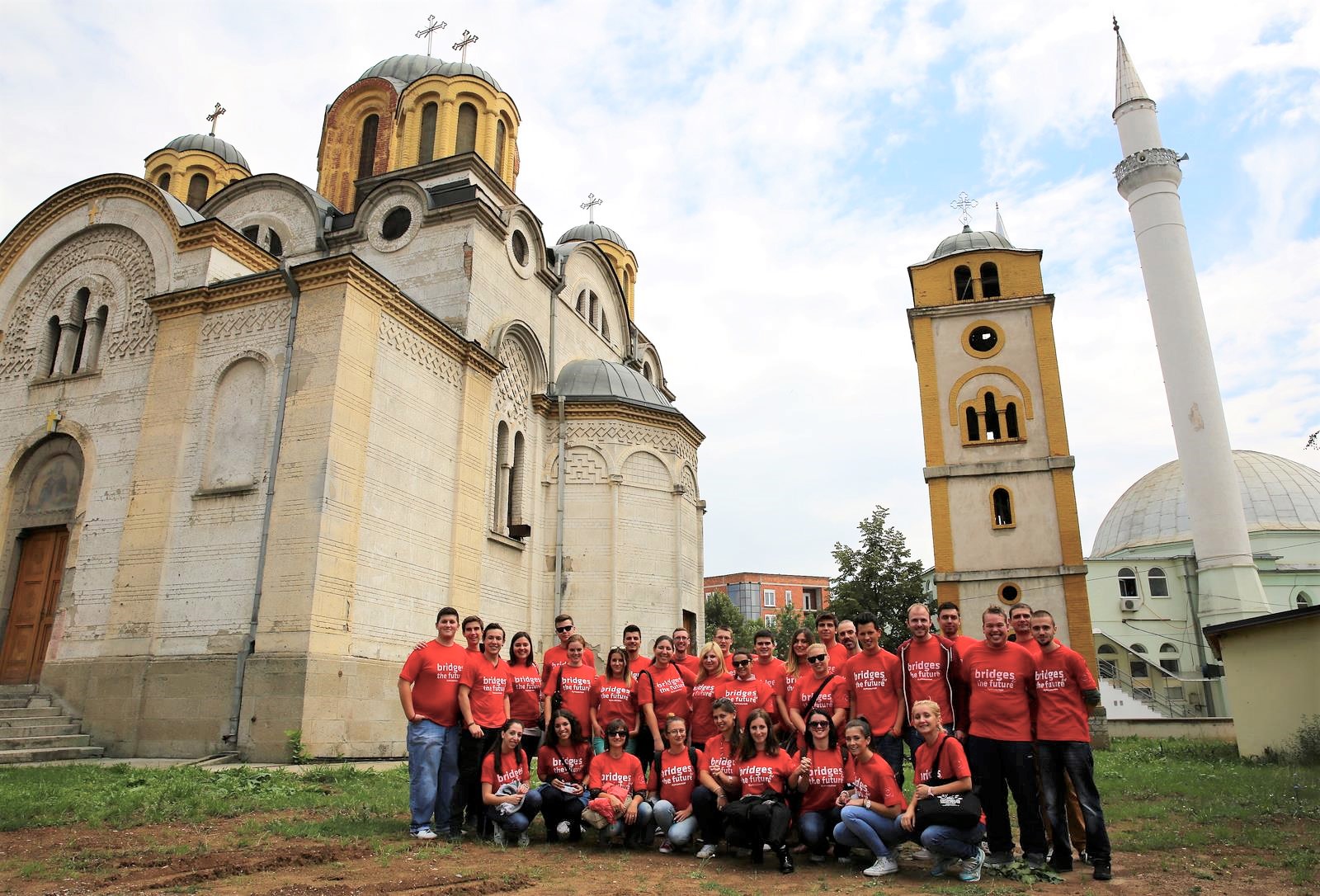
“A moment that I carry with me occurred during the “Bridges for the Future” tandem project in Kosovo. We visited a Mosque, and this was a first for me. In a quiet moment of reflection within the mosque, I was moved by thinking about all the people who spend time within this place of worship, connecting with God. While this was an unfamiliar faith tradition, I felt an affinity with the people who attend the mosque, seeking to commune with what is beyond themselves…

If I have to describe Roots in three words, I would choose these ones – Connecting, Stimulating, Growing. I would absolutely recommend the Roots project to young people. Each person will find something unique and everyone will experience the opportunity to learn and make new friends who might also become strategic partners for future projects.”


Since 2007 and ever growing, from the South to the North, from the East to the West of Europe – the Roots has always been there for those striving to make this world a better and safer place, a peaceful home for all. We go where the need is, responding quickly to the emerging issues with the legacy and mandate, capacity and adaptability gained for all these years.

By donating to the Roots, you invest in youth opinion leaders from all corners of Europe – varied by age, ethnicity, religion, race or wealth, but united with one strong conviction – Peace is the only way!
World By Word: Diary of a worker

In 1943, at age 19, my grandfather received a letter from the German occupiers. At the time, he was living in The Hague, the Netherlands. The German forces were ordering young men from all over Europe to forcefully work in its factories. They replaced the German men that were sent to fight at the front.

My grandfather went without resistance: he feared punishment for his entire family if he didn’t go. He was sent to work in a Daimler- Benz factory in Stuttgart. He lived in the small village of Strümpfelbach, later Fellsbach. He worked here until 1945 when he, together with fellow labourers, escaped in the middle of the chaos of war.

His years in Germany pursued him throughout his life. In the years before his passing in 2014 he wrote down his memories, preserving them for the ages. Some parts of this 20-page document have touched me, seeing a lot of timeless humanity in this document. My grandfather writes about bombardments, violence and cruelty, but he also writes about people, people that try to shape their daily lives as much as they’re allowed to. It also helped to get a better understanding of my grandfather whom, for his entire life, spoke rarely of the war.

What follows are some parts from this diary:

‘’Initially, the local population was resistant to our coming. Our arrival allowed more of their sons to be send to the Eastern front. Only after we explained we didn’t help the Germans voluntarily, the started to become friendly’’. Many Germans had heard the news of Stalingrad, and knew they would lose this war. (…) Everyone was afraid of everyone, this you noticed in tram and train, on the platforms, and in restaurants. People were silent. Schwaben and Würtembergers are peaceful people; all were afraid of ‘Berlin’.’’

‘’The local minister we regarded a firm fellow. We followed some religious education with him. In the church was a tiny organ, on which I was allowed to pay during the week (..) after some months the preacher was gone without any ‘goodbye’. It was forbidden to educate foreigner. Was he taken a prisoner? Initially, every now and then there was a remembrance service for a local soldier fallen on the eastern front. Some months later, these memories happened every Sunday. Sometimes two in during a church service. These were dramatic memorials. Mothers were crying and crying young women that had become widow. There was never a body to be buried. Lists of losses became longer and longer.’’

‘’In our midst we had a man from Rotterdam, a real daunting figure, who was ready to show whom or what he liked or not. He talked all day, but to no one especially. (…) he was sent to a re-education camp for six weeks. At a time we saw him sitting in a bus. We could recognise him only with great effort. He was shaven bald, strongly meagre and had large, fearful eyes. I will never forget his gaze. He said no word and couldn’t be talked to. In the German re-education camp he had been dehumanized in six weeks.’’

‘’Later we moved to a former school building to serve as living quarters. We would stay here only briefly, because it would not be safe from bombs! One night, it was time. First firebombs, to set all alit, then highly explosive shells, these destroyed everything. Our school burned too. De normal exit was blocked. We tried to escape from the cellar window. On the streets all hell was loose. Flames, screaming women looking for their family, burning asphalt, sirens of firetrucks and a horrible stench that I will never forget. Smell can never be passed in war movies! We could easily retain our calmth, we had only ourselves to lose, and weren’t we all being saved? We all thought that it was needed, Germany had to be beaten.’’

‘’Because of the enormous loses of manpower, many young women became widows. We have been spoken to by a woman that offered shelter to us in exchange for protection and perhaps even more. This could allow us to escape the primitive living quarters.’’

On occasion, we saw Russian girls, that were sent to Germany as slaves. Some of them worked at our department. They were happy to teach us some Russian words. (…) when I saw one of these girls digging in piles of frozen potatoes, searching for something edible, I knew how hungry they must have been.’’

After the occupation (for us our liberation), a German family appeared. This family has consistently refused to deliver their children to the Hitler- Youth. For years they had been ignored by their neighbours. On one occasion, they were placed on a cart and driven through the village, so the local townspeople could mock them.’’

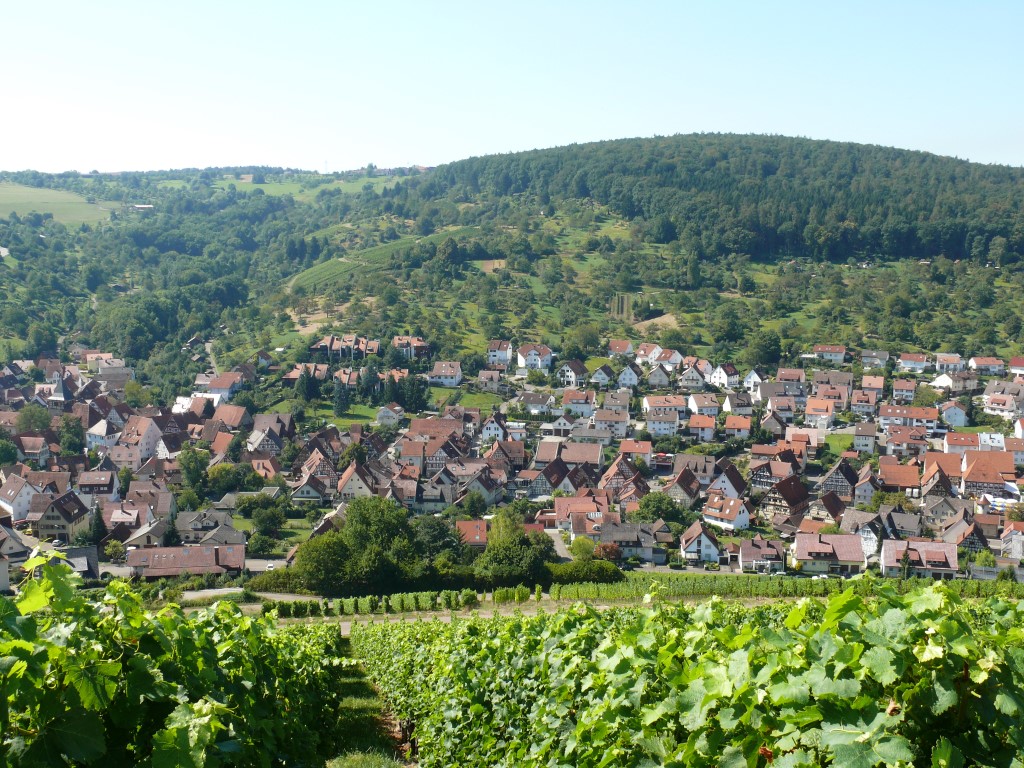
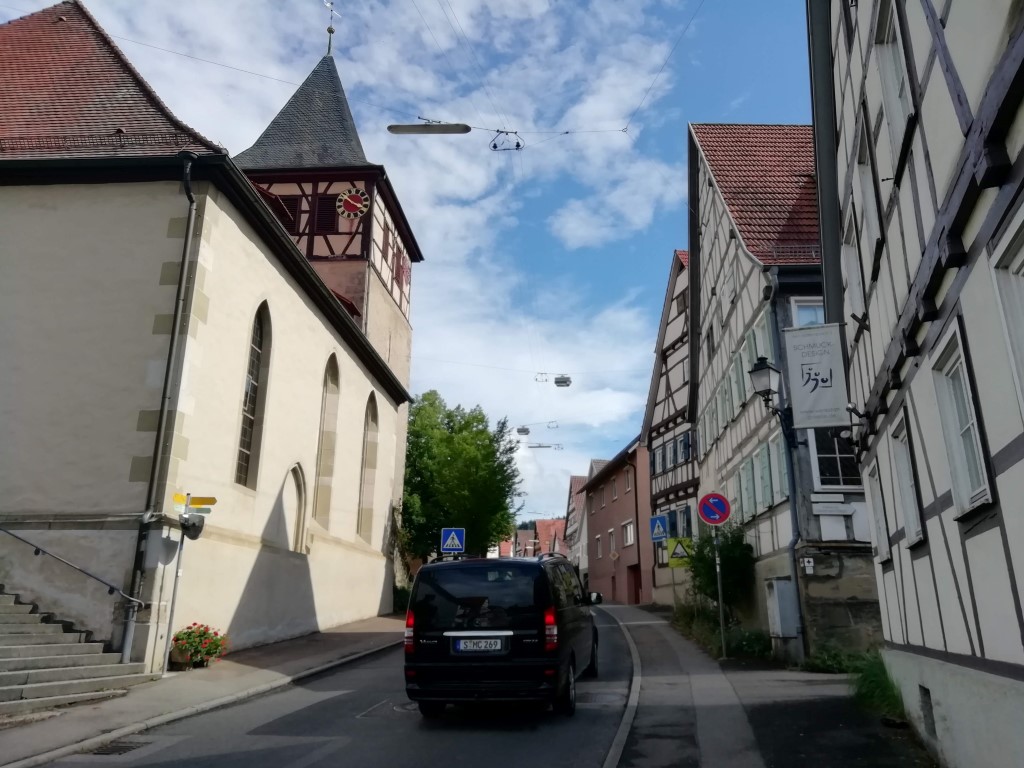
During the summer of 2020, during a brief interval of looser COVID 19 measures, I took some days off to pursue my grandfather’s story. WIth his story in my backpack I travelled to Stuttgart, to Strümpfelbach and to Fellsbach. Was there something to remind me of my grandfather?

Times have changed of course. And little could remind of this time of war and misery. Where My grandfather would write about war, about fear, about hunger, I can write about peace and calmth. But many things have not changed: He would also write about the hills, about the fruit trees in spring, and so do I. He wrote about the things he encountered around him.  He discovered garlic, was surprised by both the cruelty and the happiness he could encounter around him. Walking around, I discovered that Fellsbach has its own YMCA. Isn’t that a coincidence?

And so I look around in life, just like my grandfather did before me. As such, I now live in The Hague, as my father did, nearly 80 years ago. Life must have changed greatly here, but is in many ways unchanged, I believe. Isn’t looking around like this in his or her own life?

Written by Arend Holvast – translation by Jonathan van Varik


This article is part of the World by Word campaign. This project originated at YMCA Netherlands and is a multinational cooperation of YMCA Europe Roots for Peace project, and the Dutch former Soviet Cemetery Leusden.  World by Word is a prelude to an Erasmus+ funded Youth Exchange “Then, now and later: towards a composite memory”, taking place in the Netherlands in 2022.

World By Word: Irina`s story

When I was 3 years old I lived on a friendly street with private houses along the road. One day we heard loud sounds of heavy technic moving in the street. The Entire neighborhood went outside to see what was going on. There was huge traffic of tanks and military trucks full of soldiers waving at people in the street.

My mother, a person with a beautiful heart who loves everybody, was crying while waving back at the soldiers. As a child, I was very confused but seeing my mom made me realize whatever was happening was not good because it made my mom cry. I got terrified. Even though people were explaining that the fight was far from my home and I was safe, I still could not remove the fear.

Those moments gathered all together deep down in my mind and became my biggest nightmare. Every time I heard sounds from the street that were familiar to what I heard that day I used to run quickly and hide under the table. There used to be a lot of war information on the news, so I started hating TV, and every time I heard the sound of the news program I used to cry until they turned the TV off.

Soon after the military actions stopped and I started forgetting about those scary days. But a few years later, when I was already 10 years old, big girls, the war came back.

I can clearly recall the day in August when I was asked to pack my clothes. My country was in war again and we had to stay in the village for a while. That day I got a new black and white striped hoodie with huge pockets and I decided to take it with me even though it was a hot summer day outside.

I remember the night in the darkroom without lights and any human sound in the streets but helicopters flying in the sky awaking fear of bombs falling down. I was a 10 years old girl with a huge imagination and influence from comics. I was already familiar with the concept of the war and was thinking that a superhero would show up and everything would happen like in my comic books so I kept asking questions where was superman.

My grandfather told me that that day the superman was busy so he called and asked if someone else could take care of the situation instead of him.

As a child, I used to spend time practicing box and self-defense with my grandpa and  I felt so proud and responsible at the same time and started playing along with my role of substitute for the supermen with my brother and cousins. I put the hoodie on my head but my arms were out of the sleeves so I could easily pretend to like it was my superpower cape. We were running, jumping, and making people laugh at our games. so I felt the strongest and the safest I can remember.

That night everything went well and after 4 days military actions stopped. Life went back to normality, but there were things that had changed forever.

For example, I won’t hide that 12 years later my heartbeat still gets unreasonably fast when I hear the sound of an airplane late at night and I am still scared of dark, quiet nights. But now, 12 years later I realize that the most important thing I took from that night was the lesson my grandfather gave me.

During hard times and conflict situations, there are no creatures with supernatural abilities coming for saving us. The ones that become heroes are normal people like you and me. And to become a hero and make a change all you need is the power of belief in your dreams and vision of the life you want to create.

Peace is built upon the will of ordinary individuals and, if you ask me, there is no stronger power than faith that you are the one who can make the change.

Written by Irina Berdzenishvili from Georgia, currently living in Romania


This article is part of the World by Word campaign. This project originated at YMCA Netherlands and is a multinational cooperation of YMCA Europe Roots for Peace project, and the Dutch former Soviet Cemetery Leusden.  World by Word is a prelude to an Erasmus+ funded Youth Exchange “Then, now and later: towards a composite memory”, taking place in the Netherlands in 2022.

World By Word: Sasha tells the story of Nikolaj Malyshev

From when I was young, I loved to hear the stories my grandmother told me about her youth.

She grew up during the war and told me stories about her daily life. That’s where my love for stories and interest in the war started. This was all from the Dutch side of my family, as the other side is Russian.

The stories I got from them are more harrowing and tragic; family members trying to stay together whilst evacuations are happening, others passing away during the Leningrad blockade and some sent away to fight.

That’s how I got to experience stories from different perspectives of the war. My great-granduncle Yuri fought in the war and told me about his experience, that he lost good friends. They never got to go back home. And that is for me, the saddest part.

A few years ago, I came across a cemetery for former Soviet soldiers here in the Netherlands. It took me by surprise, I never knew that there was a special place for these men. In total there are 851 men laid to rest, all of them after a terrible journey, far far from home. One small positive thing is that you have the opportunity to adopt a grave of a soldier…

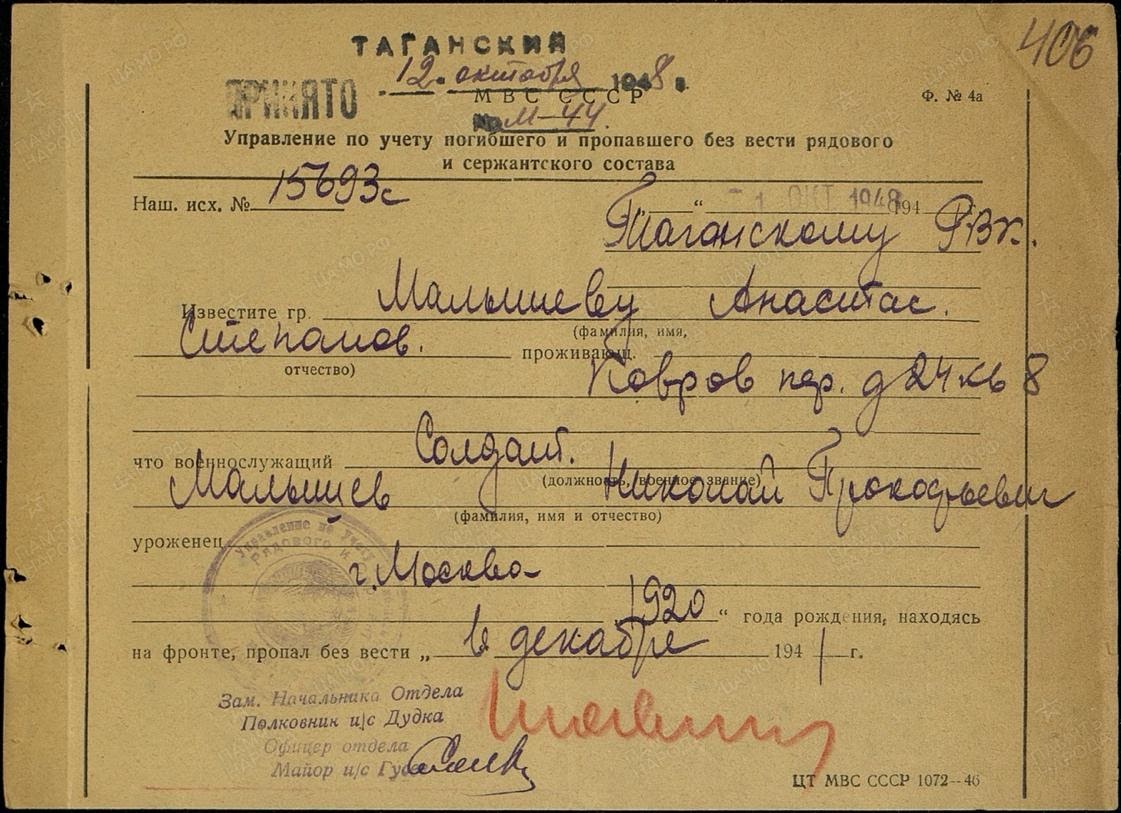
That is what I did. I adopted the grave of Nikolaj Malyshev. Not much was known about him, besides his name. I visited his grave multiple times, like on Christmas eve to place a candle and on the 9th of May to lay flowers. Luckily, I have a cousin in Moscow who works in the archives who helped me get more information on Nikolaj. It took some time, but we were rewarded for our waiting.

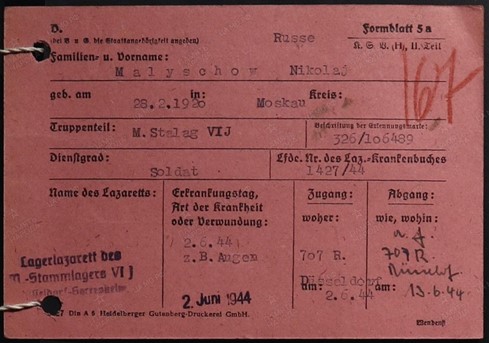
Nikolaj Grigoryevich Malyshev was born February 28th, 1920 in Moscow. And in December 1941 he was captured by the Germans. Not much is known about his whereabouts until June 1944, when he was in a camp near Dusseldorf. The red card shows he was admitted to the hospital on June 2nd, 1944 for wounds to his eyes. Sadly, and most likely, he passed away there on June 13th. From other historical sources, I know that the allied forces did not want any of their soldiers buried on enemy territory. That is why Nikolaj was temporarily buried at the Margraten cemetery. Later on, he was reburied at the cemetery in Leusden, with many other Soviet soldiers.

Nikolaj sadly passed away, but his family back in Moscow had no idea what happened to him. If he were still alive perhaps. In another document it was shown that 4 years after his death, his mother was still looking for him. She was told in 1948 that her son Nikolaj is missing. When I found out about this, my heart broke. A mother was looking for her son for years, because he was missing. Not knowing that he passed away in 1944.

Now that we have three generations who were born and live in peace in Europe. It is hard to imagine that Nikolaj, only 21 years old, and many others his age, had to fight in the war. And that many did not make it back home. I am writing Nikolaj’s story down, so we can keep his story alive, so he will not be forgotten.

Written by Sasha Grond from the Netherlands


This article is part of the World by Word campaign. This project originated at YMCA Netherlands and is a multinational cooperation of YMCA Europe Roots for Peace project, and the Dutch former Soviet Cemetery Leusden.  World by Word is a prelude to an Erasmus+ funded Youth Exchange “Then, now and later: towards a composite memory”, taking place in the Netherlands in 2022.