Be a voice, not an echo

YMCA Artsakh Exodus Response Program Supporters Visit Armenia

On October 18th, President of the Synod of the German Evangelical Church (EKD) Anna-Nicole Heinrich, accompanied by the representatives of Bread for the World – Lutz Wollziefer, Head of Regional Unit, and Prokop Bowtromiuk, Spokesperson, visited the Roots Artsakh Exodus Response program sites in Armenia.

The day began with a visit to the Artsakh Artisans Center, where they witnessed the batik art course in action, following the art technique which involves application of wax and colored dyes to create patterns of cloth.

“Seeing these initiatives in action is what gives meaning to our work,” said Lutz Wollziefer, inspired by the creative talent and dedication of the centers’ participants and organizers.

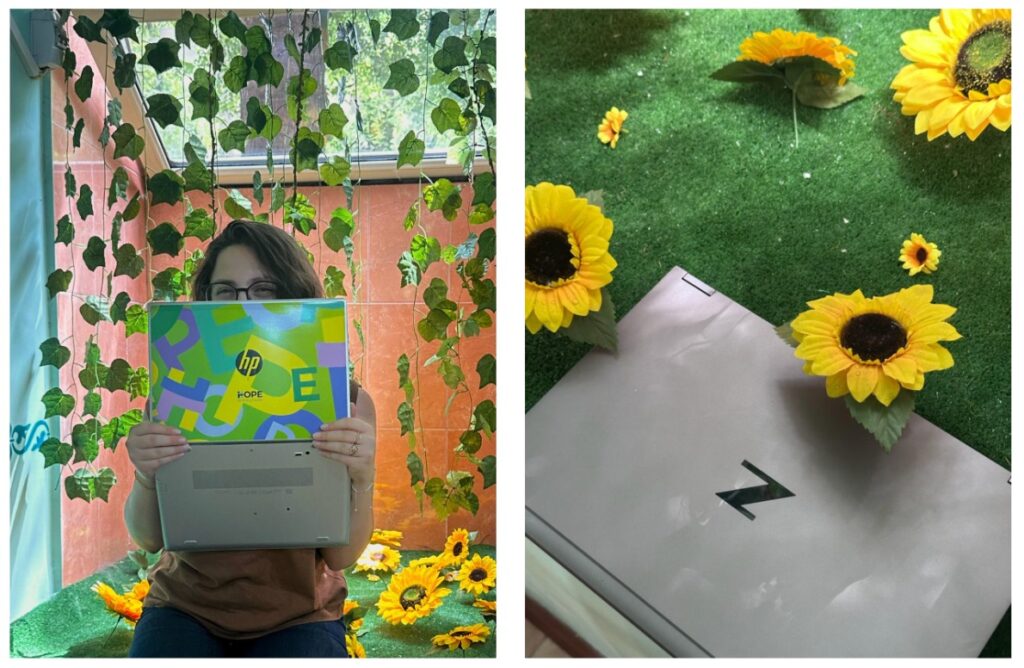
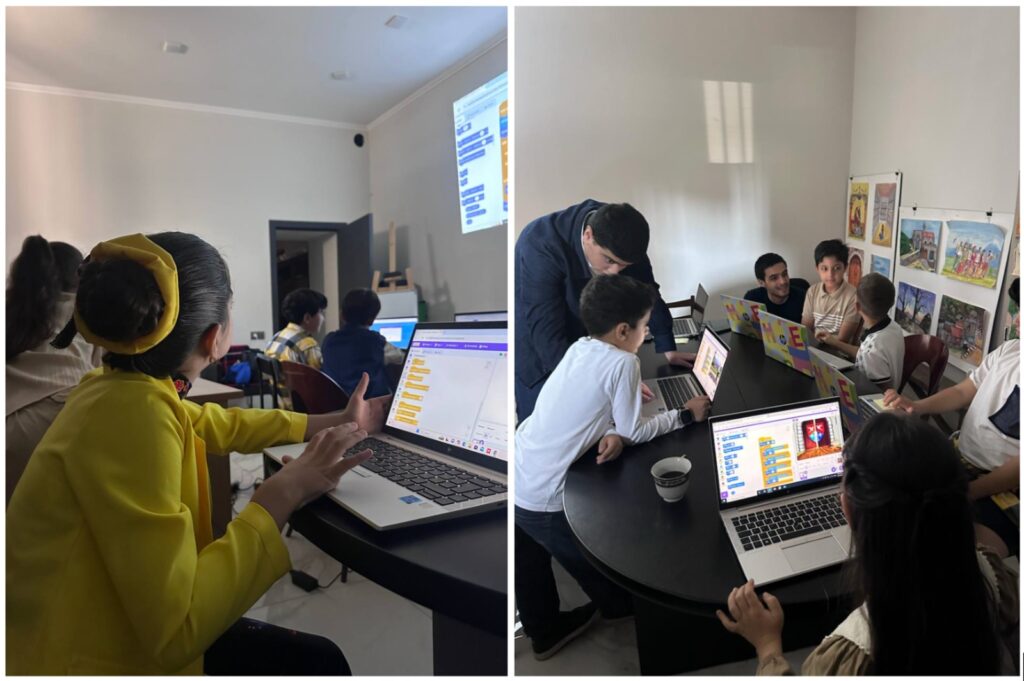
The guests also attended one of the courses taking place in the center’s newly established HP computer hub. Led by student beneficiaries of the YMCA Generation Next Scholarship, the Scratch programming language course is designed for children the majority of whom are from Artsakh.

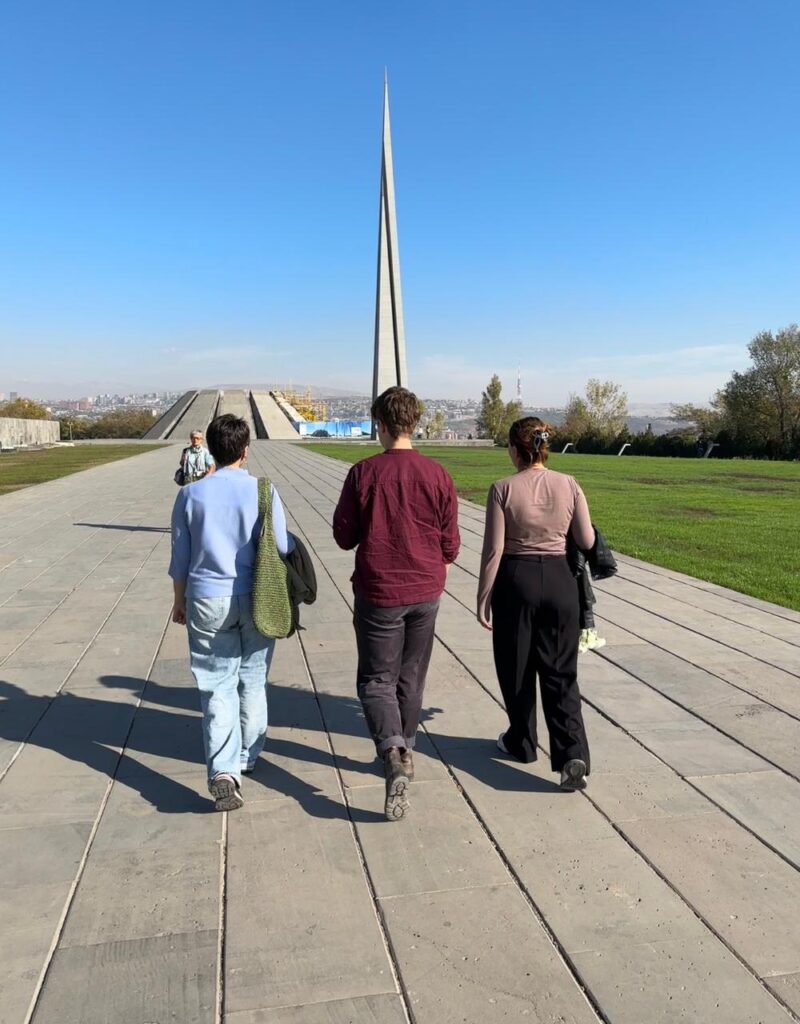
The visit continued at the Armenian Genocide Museum-Insitiute with a brief meeting with the Director, Dr. Edita Gzoyan, followed by tour in the museum and visit to the memorial.

The day concluded with a visit to the YMCA Artsakh center where donors  observed the preparation for an upcoming festival involving traditional cuisine of Artsakh. The warm atmosphere provided a chance to further interact with the center’s team and project participants, reflecting on the importance of centers not only as a space for growth, but also as a safe space for the community to come together and enjoy each others’ company.

Inspired by the dedication and unity of the project beneficiaries, the delegation appreciated the opportunity to learn about each and every one’s story and the life changing effects of their generosity.

Camp “Side by Side”: A Space of Support and Recovery for Children and Youth

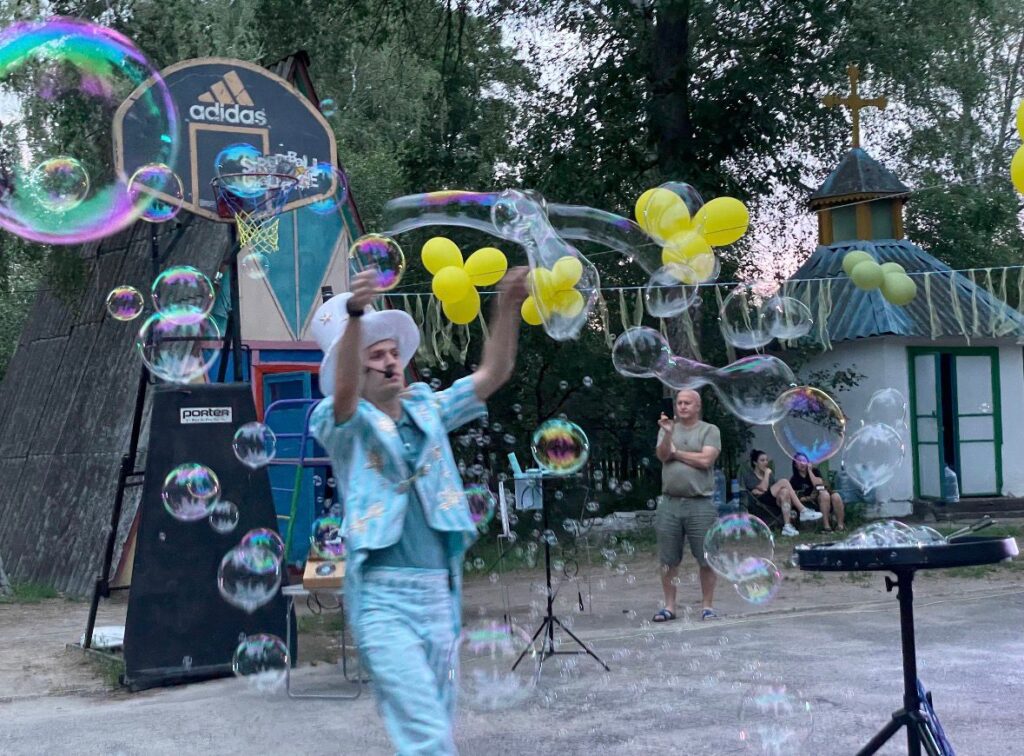
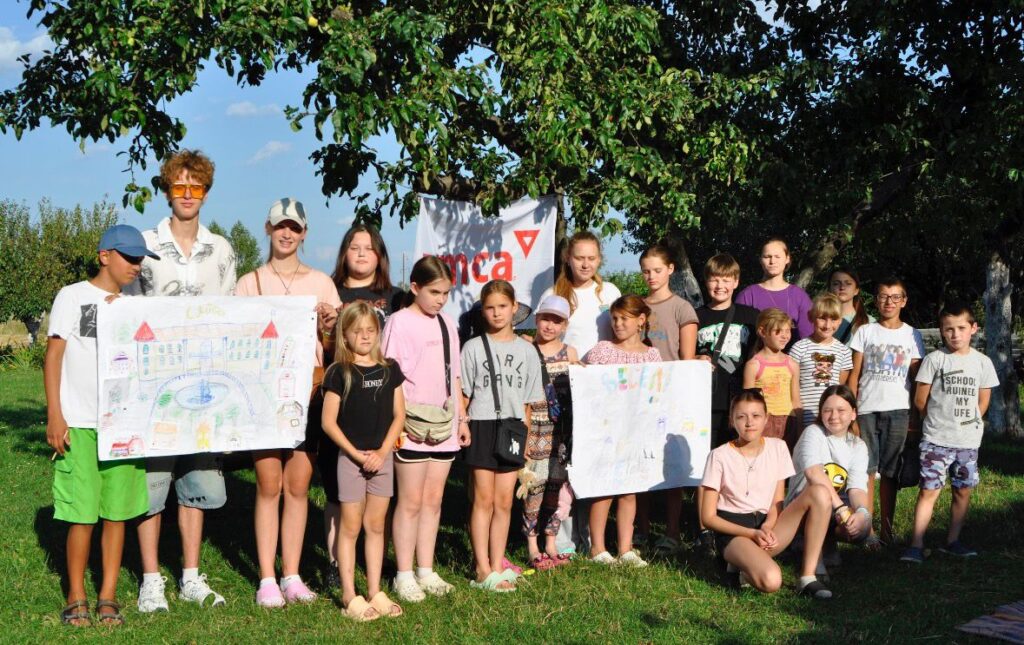
This summer, YMCA Poltava held the next stage of its project supporting children and young people affected by the war in Ukraine. From July 25 to August 4, in the picturesque village of Shevchenkove, Kotelevskyi district, Poltava region, the “Side by Side” camp brought together 21 children aged 9 to 17. The main idea of the camp was to create a safe environment where children could recover emotionally, make new friends, develop their talents, and receive support during these challenging times.

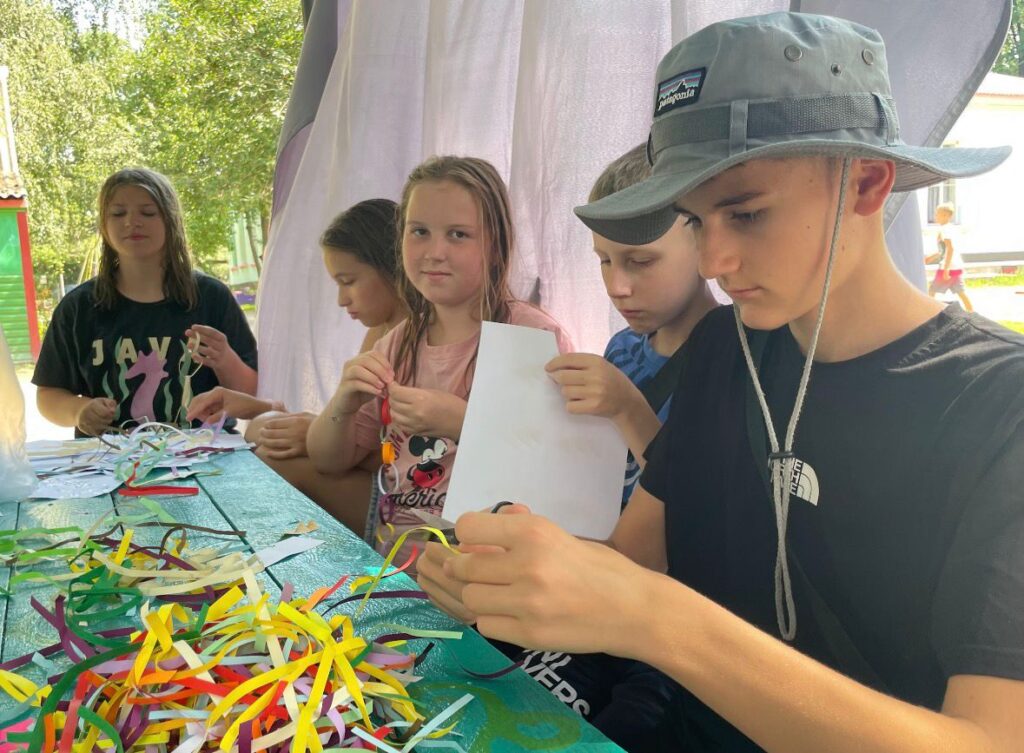
The program was rich and diverse. Every day participants took part in thematic activities aimed at developing communication, leadership, and teamwork skills. Sports, outdoor quests, creative workshops, and evening reflections helped children to recognize and express their emotions while bonding with peers. Special attention was given to psychological exercises for emotional stabilization, as many participants were from internally displaced families or had directly experienced the impact of war.

Importantly, “Side by Side” was not only about rest but also about learning. Children took part in self-expression workshops, discussions, and interactive games, all of which helped them feel part of a bigger community. These activities fostered confidence, strengthened cooperation, and built mutual respect.

Here is how some participants described their experience:

  • “It was my first time here, and what I loved most is that we were all together — like one family” (Sofiia, 9 years old)
  • “I made friends with a boy from Kharkiv, and we already agreed to stay in touch after the camp. We have so much in common.” (Platon, 13 years old)Parents also shared their impressions:
  • “My child came back completely different — smiling and calmer. In times like these, this is priceless.”

For YMCA Poltava, this project had special meaning. It proved how important it is to create such supportive spaces for children and young people, especially in times of uncertainty. The camp was made possible thanks to a dedicated team of experienced staff and volunteers who not only organized activities but also built a warm atmosphere of trust and care.

One of the volunteers said:

  • “I have been to many camps, but here you feel that what you are doing truly matters. When children start playing again and trusting adults — that is the greatest reward.”

“Side by Side” is not just a camp. It is a symbol of unity, mutual support, and belief that even in the most difficult times, we can still find strength for joy, growth, and friendship. Children returned home with new knowledge, experiences, and inspiration, while for us as an organization it became another confirmation that our work truly changes lives.

The camp was implemented with the support of YMCA Europe, whose contribution made it possible to create this unique space for the children and youth of Ukraine.

Where Learning Comes Full Circle: GenNext Digital Hub

Following the launch of two fully equipped digital hubs in Armenia through the YMCA Europe Roots Artsakh Exodus Response, one more hub has quietly opened its doors: the GenNext Digital Hub. Unlike the earlier launches, this one didn’t come with a grand opening ceremony. Instead, it was built with a simple but powerful purpose: to give Generation Next scholarship recipients a shared space where they can study, collaborate, and grow together.

The hub offers students a base for group studies, brainstorming sessions, and peer-to-peer learning. It is designed to be flexible, serving both as a quiet place for academic work and as a collaborative zone for exchanging ideas and supporting one another’s projects.
The GenNext Digital Hub builds on the momentum of already active hubs. At YMCA Artsakh, the new permanent center has become a home for personal and professional development, while the Artsakh Artisans Center has integrated technology into its creative programs. The center hosts a group of 12 children aged 7 to 12 who learn programming through Scratch, guided by YMCA Generation Next Scholarship holders majoring in computer science who once began their own journeys with the same Scratch cat.

In just five sessions, the children have already mastered the basics of coding and animation. Their next challenge is to create their own cat game, an exciting milestone that lets them transform learning into creativity. For the students teaching them, it’s an opportunity to grow into leaders, building skills in mentorship, responsibility, and confidence.
Together, the three hubs are becoming more than study spaces. They are places where displaced youth and scholarship recipients can connect, teach, and lead, turning digital access into community resilience and future opportunity. As this model proves its value, it offers a blueprint for how educational spaces can serve not just individual advancement, but collective empowerment, with each hub strengthening the broader network of support for Armenia’s next generation of innovators.

New Roots Peace Work Institute Global Cohort is Ready to Set-off

This autumn marks the launch of a new chapter for YMCA Europe’s flagship Peace Work Institute (PWI). After a highly competitive application process, 21 inspiring youth leaders from across 11 countries — including Albania, Armenia, England, Georgia, Ireland, Malta, Russia, Serbia, Sweden, Turkey, and the USA — have been selected to join the 2025 PWI journey. The sessions of this series will take place in Dresden, Germany and Tbilisi, Georgia.

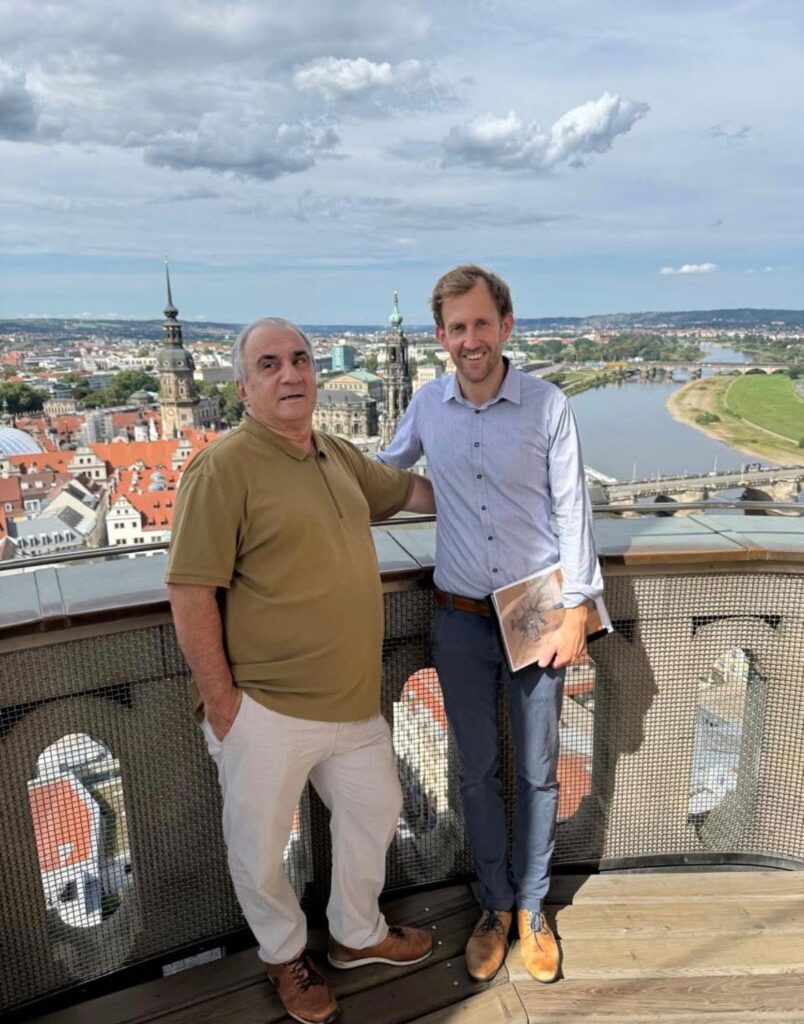
Earlier this month, YMCA Europe Executive Secretary Vardan Hambardzumyan visited Dresden for on-site planning ahead of the inaugural session. Thanks to our partner, the Frauenkirche Foundation, an inspiring and historic venue has been secured: the Hofgärtnerhaus, a beautifully restored baroque hotel located in the heart of Dresden’s Old Town. Many of the sessions will also take place inside the world-famous Frauenkirche, just steps away.

To prepare the ground, a Backstopping Workshop was held in Novi Sad, Serbia, in mid-September. This gathering brought together experienced alumni from previous PWI cycles — the Roots Expert Pool — to help guide the new series and support this year’s participants as mentors.

The preparatory team for the upcoming Dresden session brings together a rich mix of experience and enthusiasm. It includes YMCA Europe’s Roots staff — Iri, Rezi, and Vardan — joined by Lika Zakaryan from Armenia and Wolfgang Heinrich from Germany. From the hosting side, Andreas Dieterich (Frauenkirche Foundation) and Gerhard Wiebe (YMCA Germany) are playing key roles in bringing this vision to life.

Regular online meetings are already underway, ensuring the programme is dynamic, well-structured, and meaningful for all involved.

We’re deeply grateful to everyone who applied to be part of the Peace Work Institute. And special thanks to our partners at the Frauenkirche Foundation for co-hosting and co-funding this important initiative, and to YMCA Germany for their generous logistical support. We can’t wait to welcome the new cohort and begin this transformative journey together.


YesCamp 2025 by YMCA Zdolbuniv: The True Treasure of This Summer!

This summer, we once again held the stationary YMCA Zdolbuniv camp with the support of YMCA Europe and Roots for Peace.

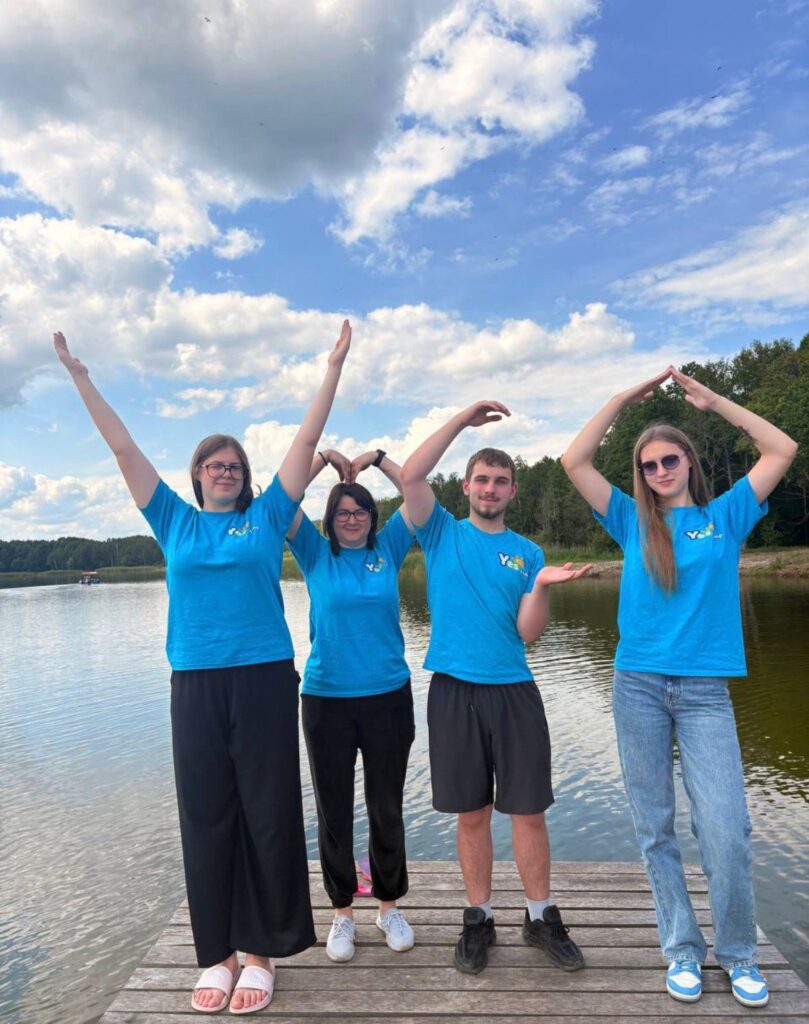
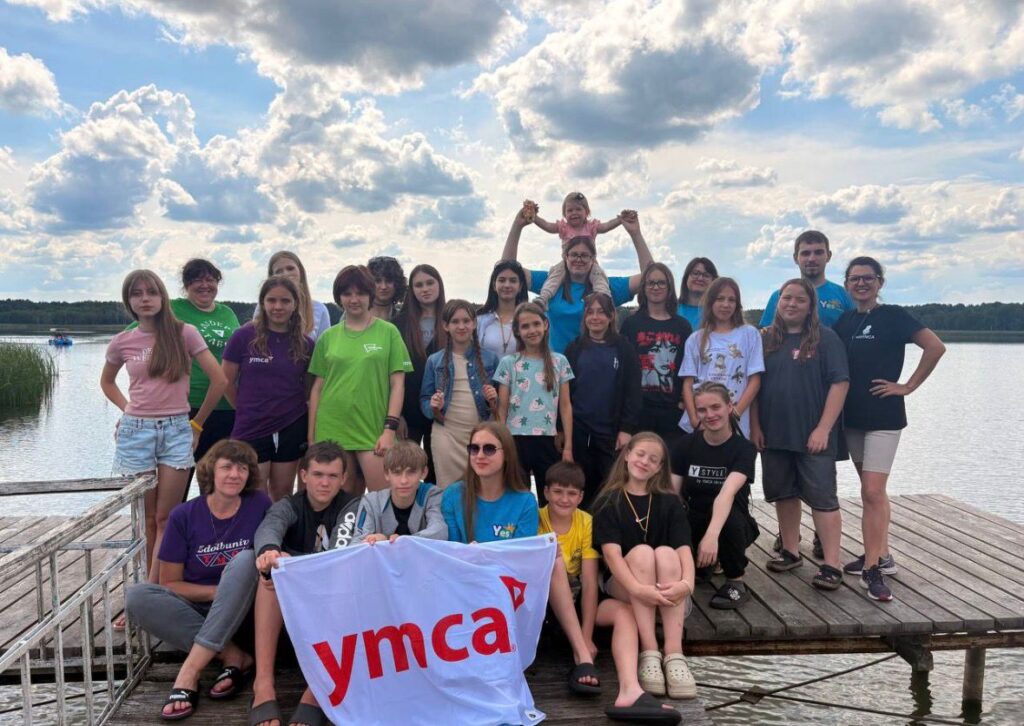
In July, a creative camp for participants of the TenSing program took place at the beautiful Lake Pisochne. The five days spent together were filled with creativity, songs, dances, and workshops — becoming a true celebration of art, teamwork, and inspiration.

The camp brought together 20 teenagers aged 13 and older, who spent the week immersing themselves in the world of singing, dancing, and acting. The program was rich with workshops, trainings, and creative challenges that helped each participant discover their talent and learn to work together as a team.

In addition to creative sessions, the participants took part in various art workshops, where they could try new roles — from creating stage images to performing their own original acts.

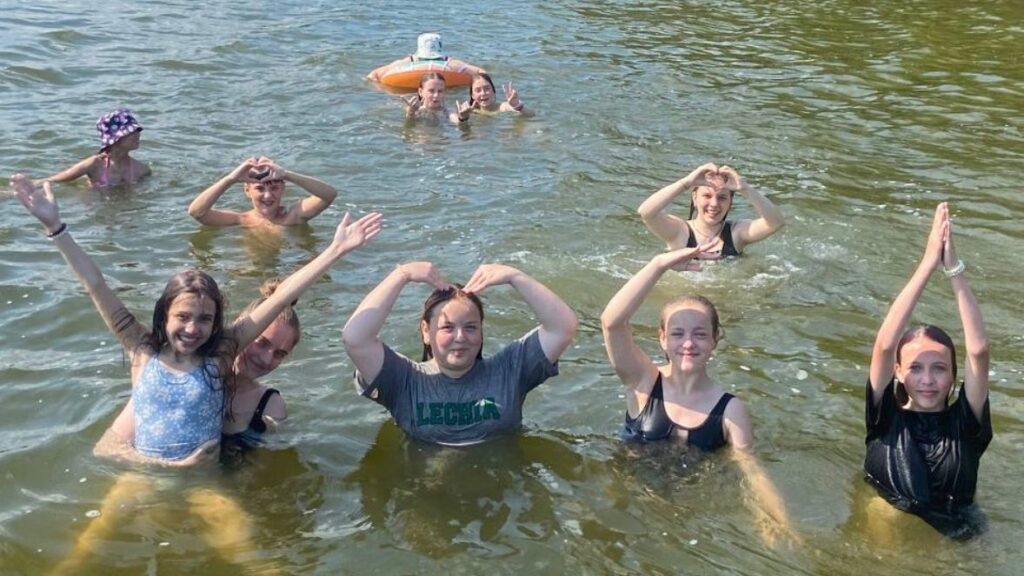
The campers also enjoyed plenty of fun by the lake — swimming, jumping off the pier, riding pedal boats and SUP boards, filming TikToks, taking part in relays and even their own version of the “Olympic Games.”

And as a surprise for the leaders, the kids even organized and ran a night quest all by themselves!

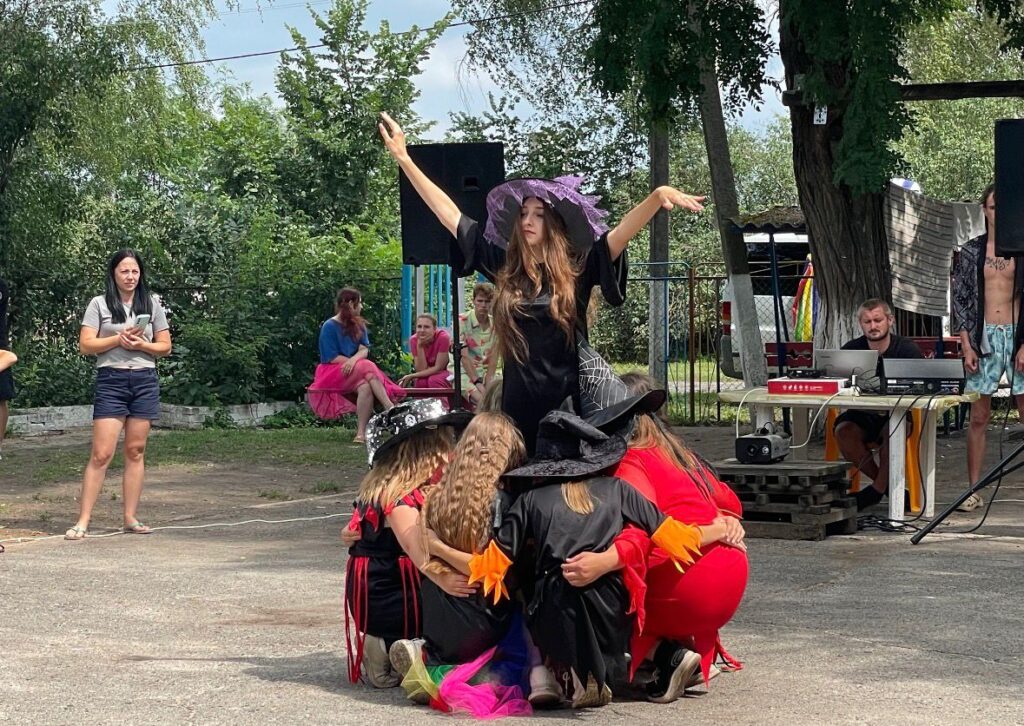
The final highlight of the camp was the showcase concert, where the participants revealed their talents to the fullest. It was a performance,  that combined song, dance, and acting — the three essential elements that became the heart of the camp.

Participants’ Impressions

Arina, 13 years old:

 “I really liked that we all became one big family. I overcame my fear of performing on stage, and now I want to sing even more!”

Tymofii, 14 years old:

 “It was awesome! I’ll never forget the rehearsals — we laughed a lot and supported each other. And the evening performance by the campfire was unforgettable.”

Nastia, 13 years old:

 “This was my first TenSing camp, and it exceeded all my expectations! I learned how to dance and act in ways I’d never tried before.”

Marta, 13 years old:

 “Five days flew by like one moment! The most valuable thing for me was new friends and the feeling that we created something truly special together.”

The creative camp at Lake Pisochne became not only a place for learning and fun but also a space for growth, support, and self-expression. And although it lasted only five days, the memories will remain in the hearts of the participants for a long time.

Roots Expert Pool Meeting Fosters Our Collective Vision for Peace

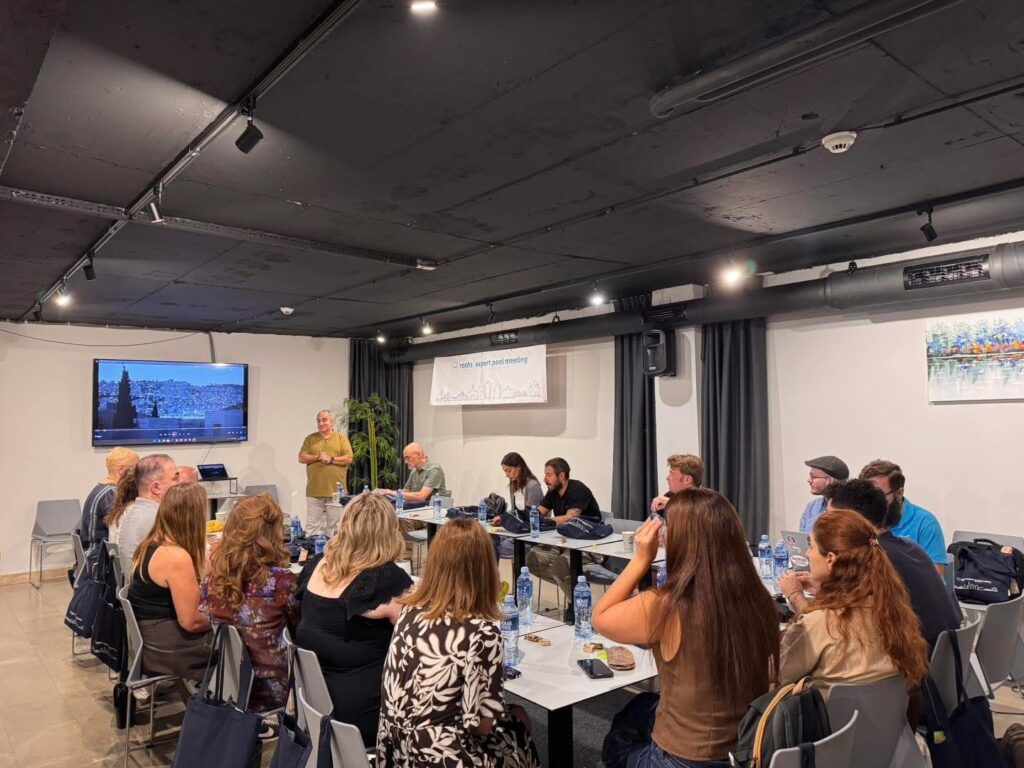
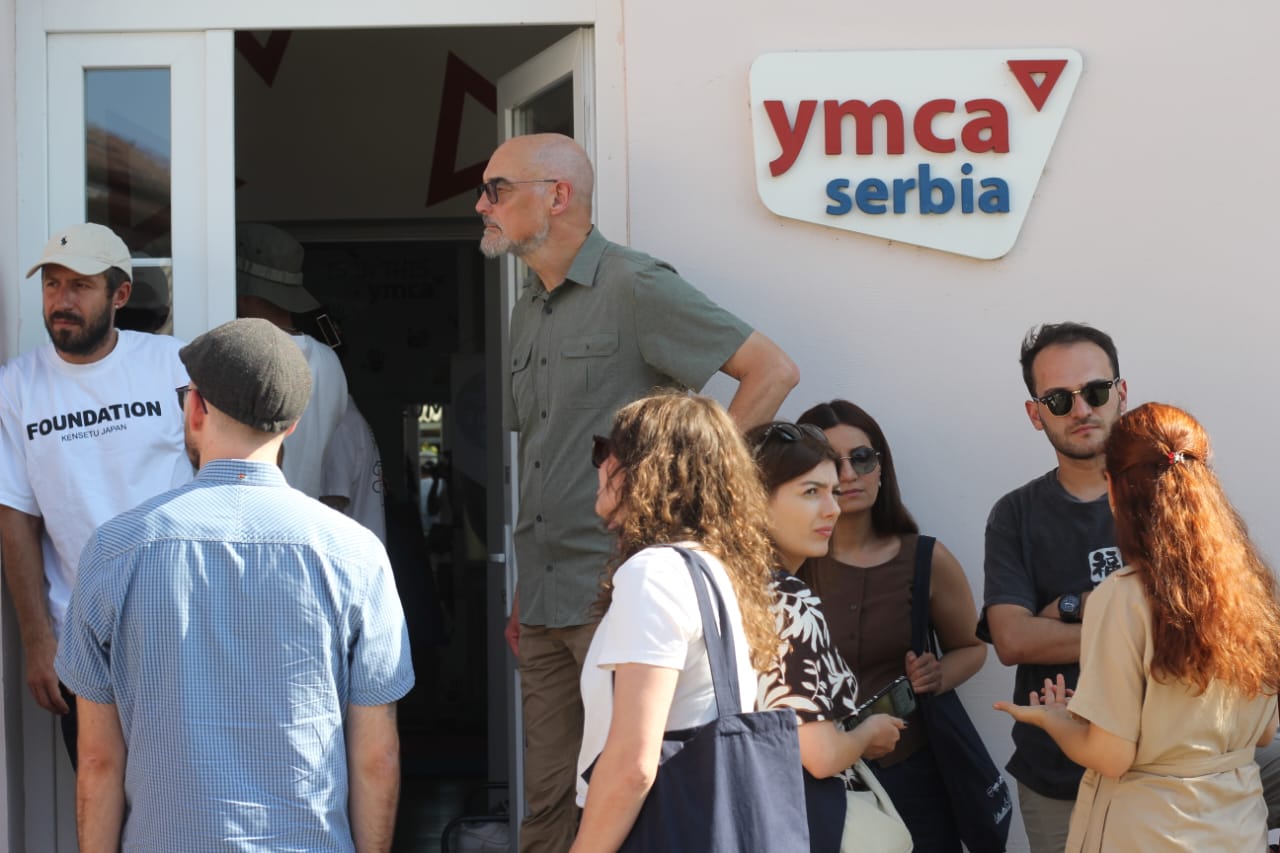
Novi Sad, Serbia played host to the Roots Expert Pool Meeting from September 12-15, 2025, bringing together 20 dedicated peace practitioners from nine countries to connect, share and forge a shared vision for a more peaceful future. The meeting was a testament to the power of grassroots action and a commitment to creating a lasting change.

The meeting began with a visit to the EHO NGO, where early arrivals learned about the organization’s impactful programs and projects supporting communities across Serbia. This initial session set the tone for the entire event—a focus on practical, on-the-ground work.
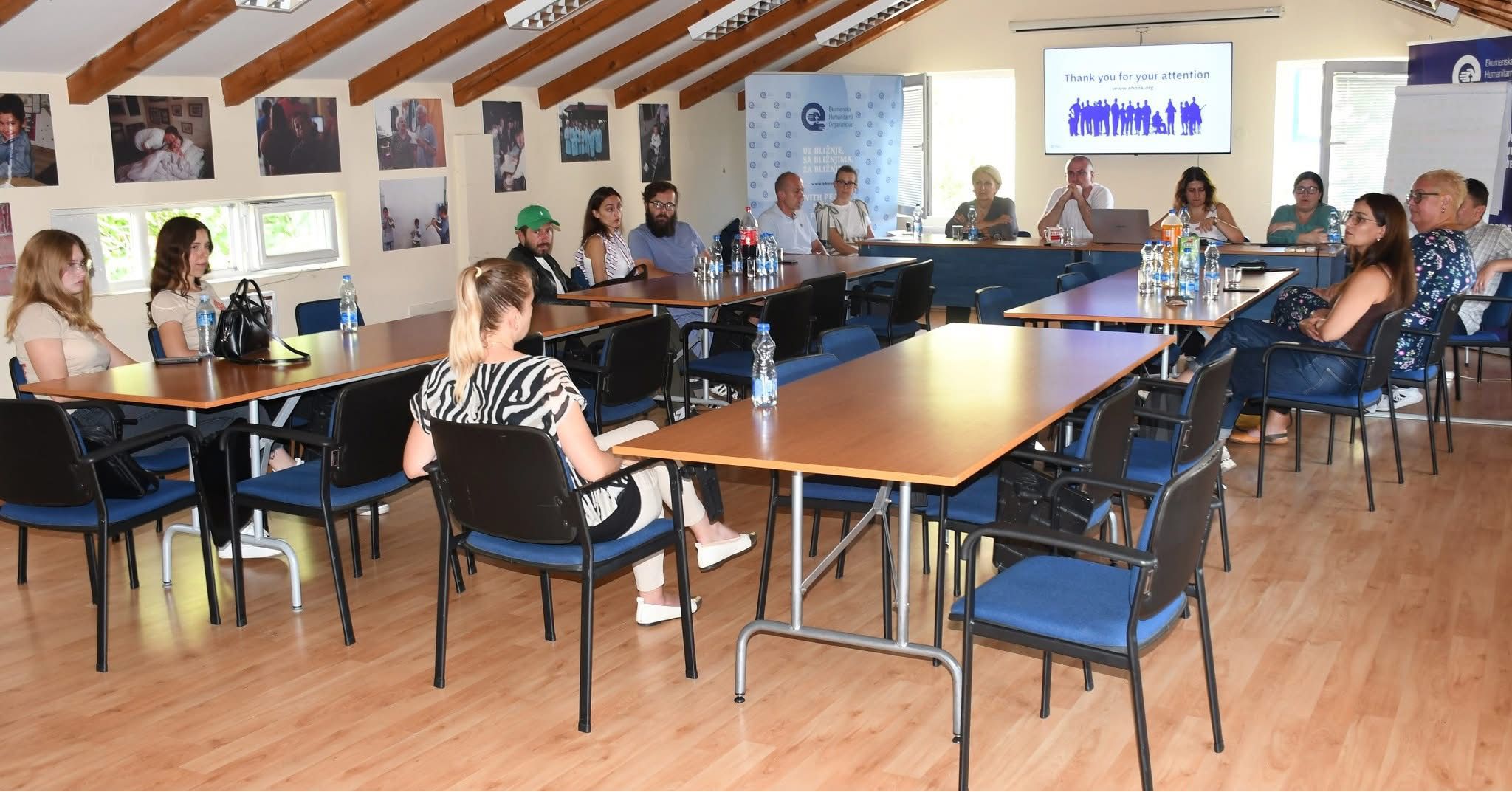
The official opening was led by Vardan Hambardzumyan and featured a moving video prayer created by Irina Berdzenishvili, which included images from Roots activity in Palestine. Vardan’s address underlined the global challenges facing the world today and reinforced the collective commitment of the Roots Pool of Experts to remain true to their core beliefs and peaceful vision for solving problems. It was a powerful reminder that their work is not just a profession, but a deeply held conviction.
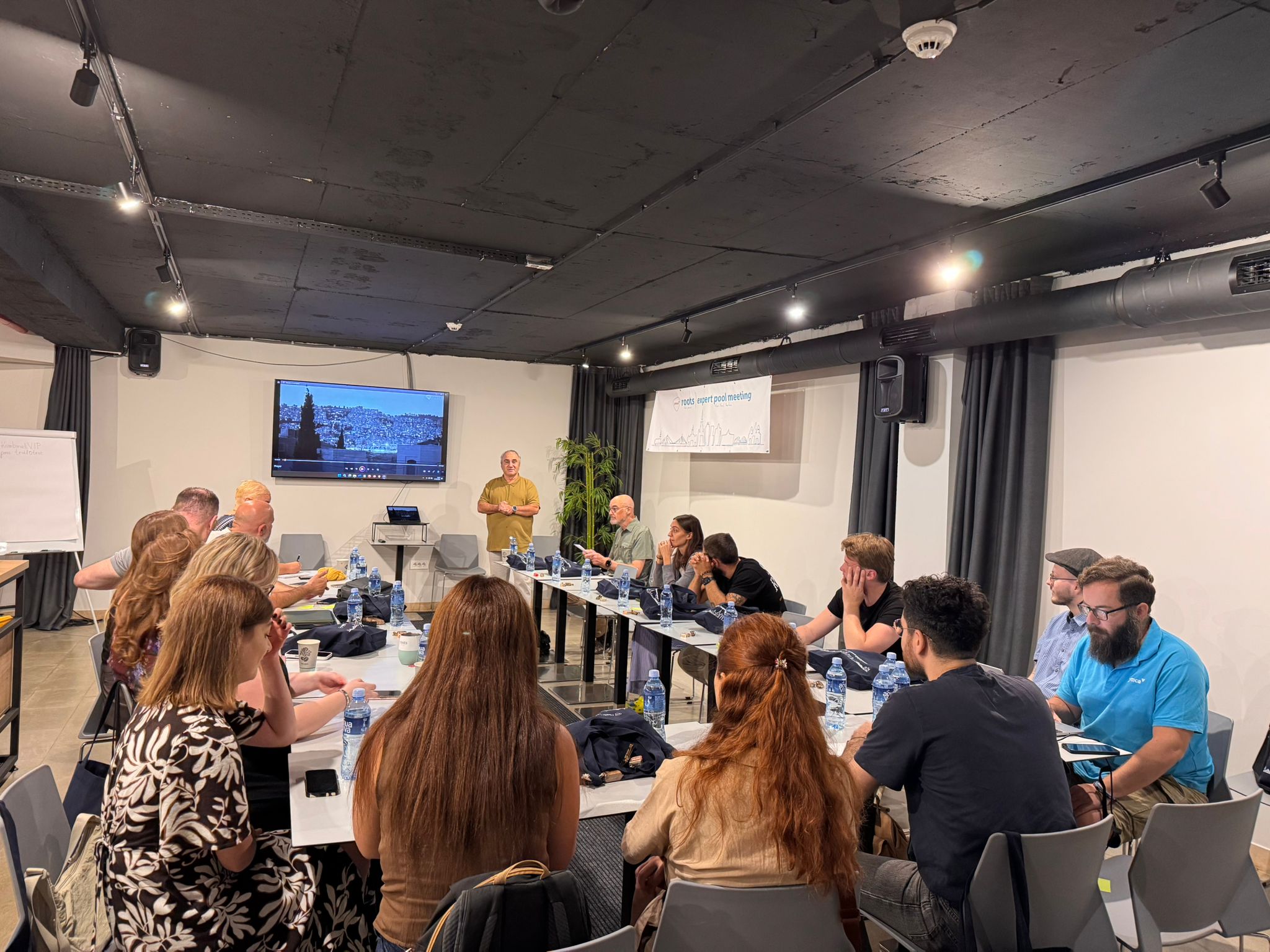
Wolfgang Heinrich provided an overview of the program’s purpose, clarifying a key shift in terminology. The group, originally conceived as an “expert pool,” was re-designated as a “pool of experienced practitioners.” As Wolfgang explained, this change highlights a critical distinction: an expert isn’t necessarily a practitioner, and the term “practitioner” emphasizes the hands-on application of knowledge. This focus on practical experience was a recurring theme throughout the meeting.

Ankica Dragin shared her inspiring work from her time at EHO NGO, specifically a project to map and publish a religious map of Novi Sad. She emphasized the importance of embracing challenging assignments and not being afraid to take on difficult tasks. Her project, which highlighted the rich religious diversity of Novi Sad, later inspired representatives from Dortmund to create a similar map for Football World Cup visitors. Her message resonated with the group: be confident in your practical experience.

This point was further reinforced by Wolfgang, who shared an example from a “Do No Harm” exercise from his past. He recalled how Mary Anderson, when asked by USAID Director on which universities were involved in a study, responded that it was comprised of 700 practitioners and no academic bodies. Her point, which mirrored the group’s new identity, was that practitioners with their deep understanding of context and subject matter are the true experts.

A major component of the meeting was the collaborative group work. Participants were divided into four-member groups of different nationalities, tasked with developing a shared vision that would unite them. The goal was to create a document that articulated their motivations and the “HOW” of their engagement. This work continued into the following day, culminating in a second assignment: “How can I contribute to building the relationships I envision in my community, neighborhood, and wider society?”
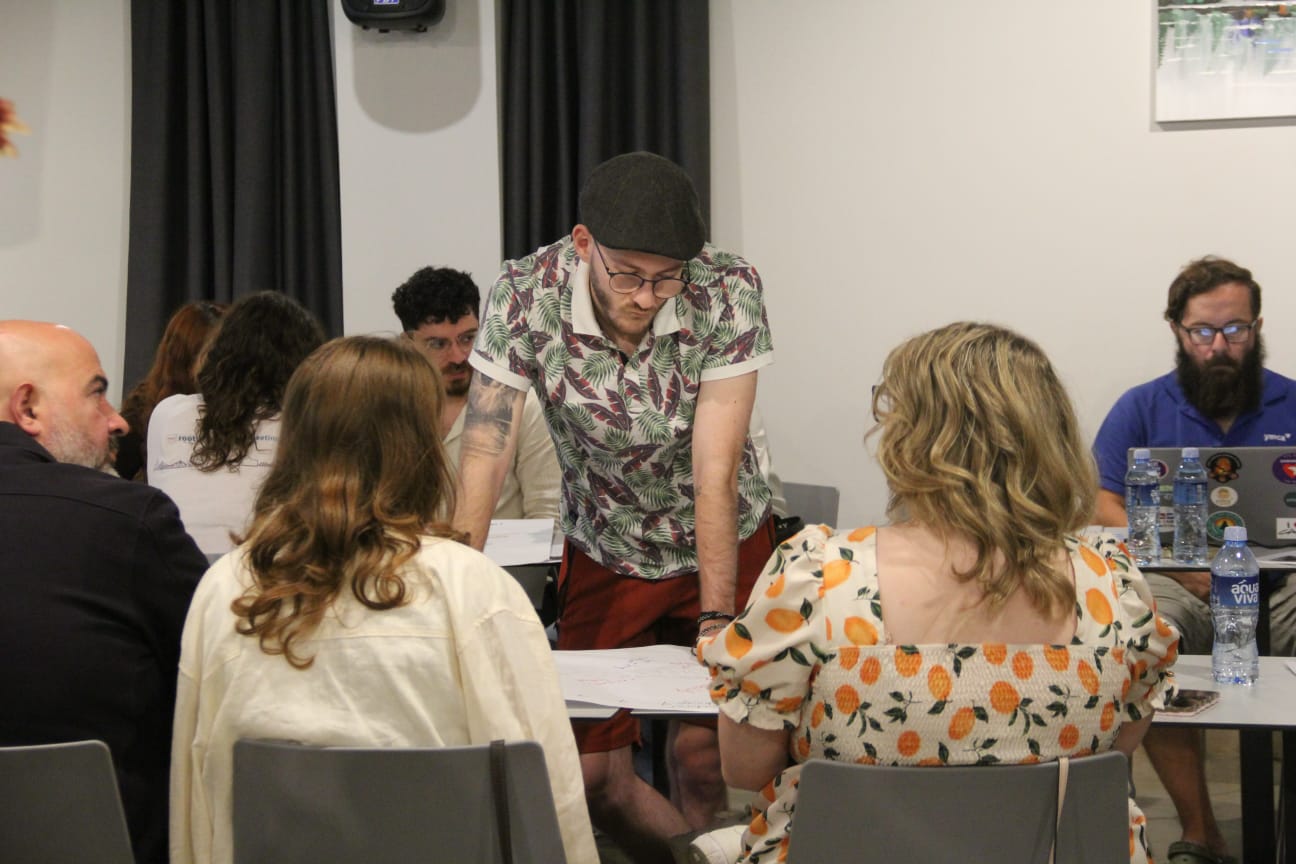
These group sessions were followed by presentations, allowing each participant to share their insights and perspectives. This led to a new assignment: to articulate how they, as a movement of peace practitioners, view their work today. The aim was to have their collective voice heard at a higher level, with the potential of their vision being adopted and becoming part of the legacy of YMCA Europe.

The meeting also included a presentation by Irina on the Roots for Peace project Digital Activism Assessment. She shared findings from a survey of Roots participants, noting that the majority of responses were overwhelmingly positive. Following a coffee break, the groups returned to share their feedback, further shaping their own visions and missions for peace work.
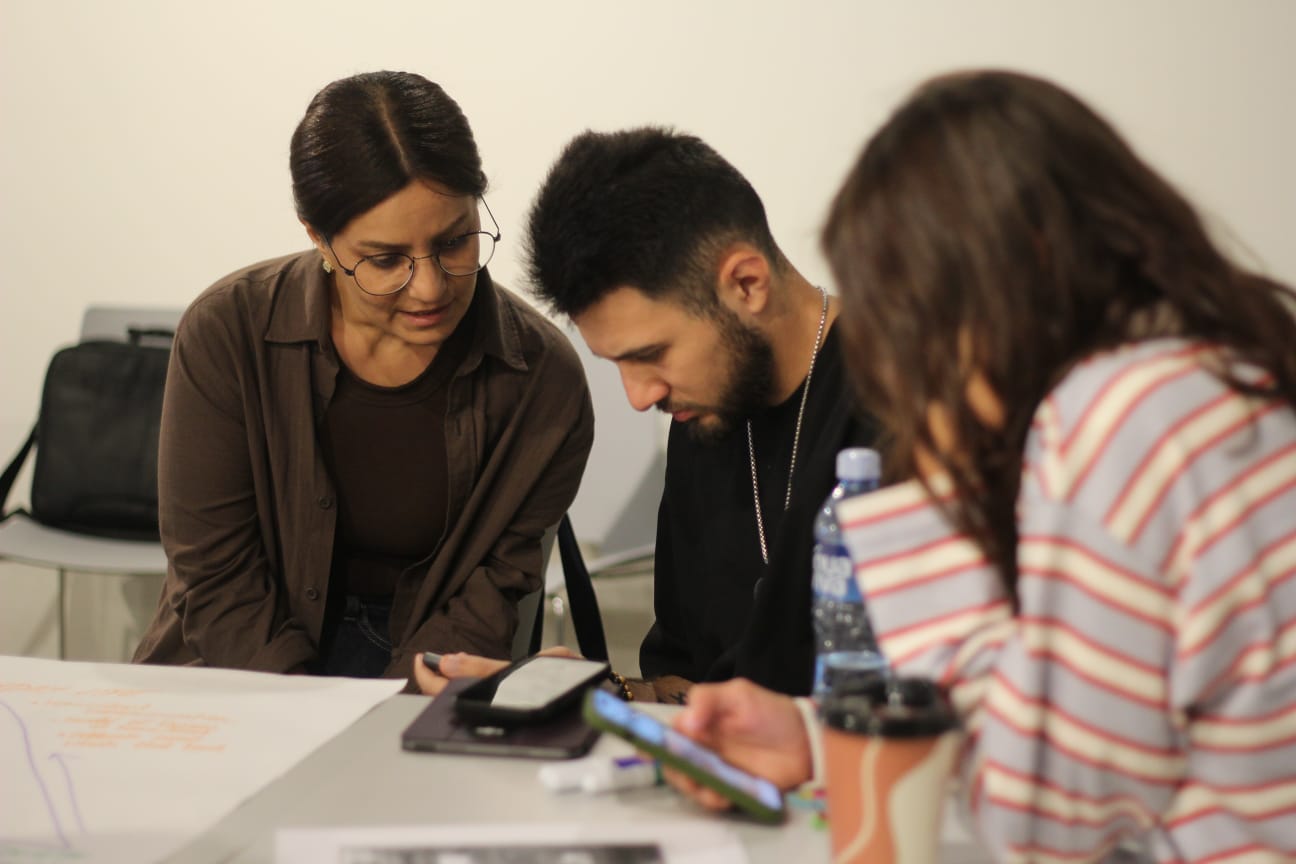
A subsequent workshop on roles and responsibilities provided a structured space for participants to explore their relationships with the Roots team and with each other. They discussed how to practice the “Do No Harm” (DNH) principle in their communities and how to communicate about it to a broader public.

The meeting concluded with Vardan outlining the Roots Roadmap from now until the end of 2027. He highlighted three major tracks:

PWI Scheme: The Peace Work Institute Scheme to be held in Dresden and Tbilisi.
Training: Training DNH multipliers, the European Youth Camp (EYC) application, and other European initiatives like the Michelstadt youth camp.
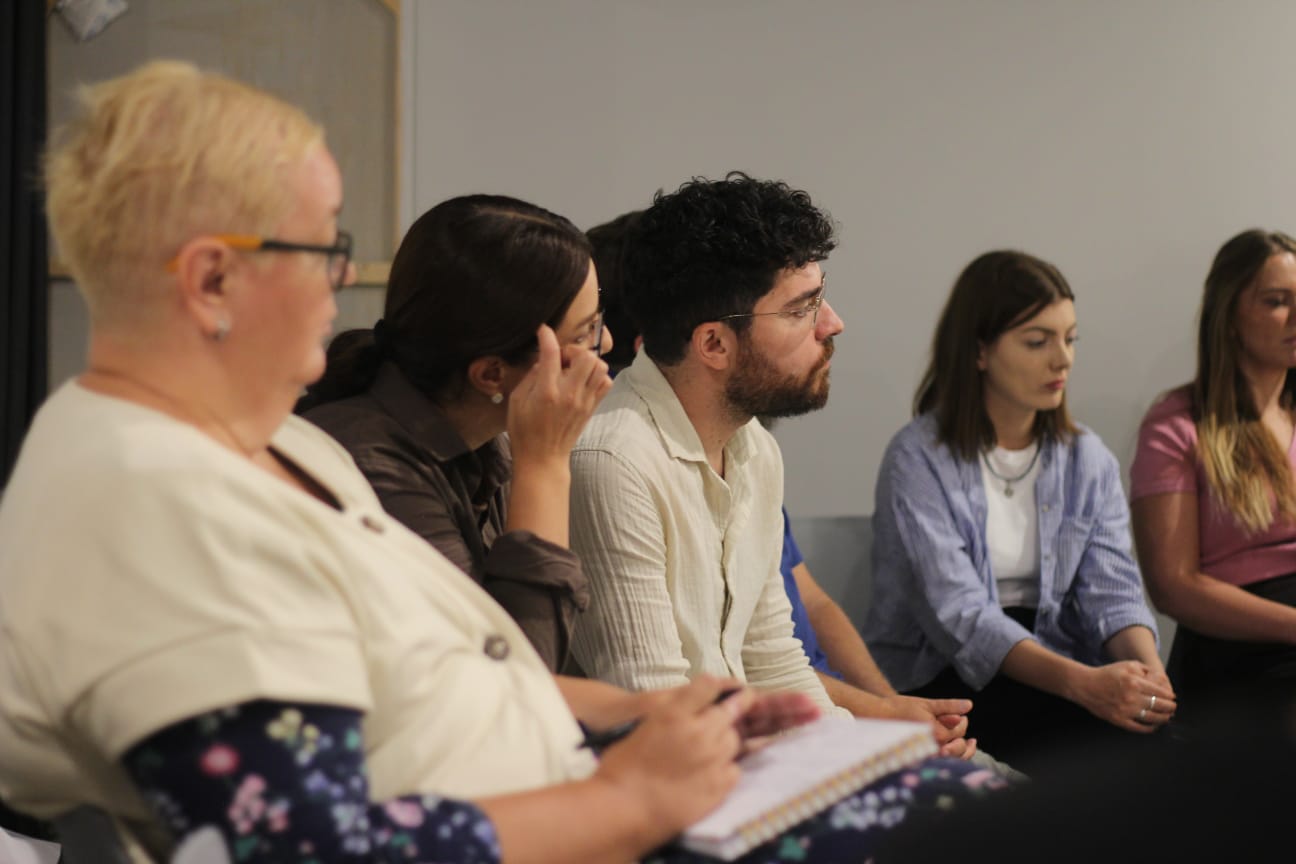

Heritage: The legacy work, including the Roots Peace Award and Brussels initiatives.
There was still time for the evaluation session, with “Rose, Thorn, Bud” exercise collecting the feedback from participants – highlighted the positive aspects, challenges and future potential of the event.

Rose (Positive Aspects):
Participants highly praised the hospitality of the local hosts, which created a welcoming and comfortable environment.

The opportunity to reconnect with peers was a significant highlight, fostering a sense of community and strengthening professional relationships.
Attendees reported an increased awareness of local customs and traditions, enriching their cultural experience.

Thorn (Challenges):
The primary drawback identified by participants was the lack of sufficient time. This limited their ability to fully engage in all activities and discussions.

Bud (Future Potential):
The session revealed a sense of increased confidence among participants, suggesting a positive impact on their professional capabilities.

Attendees generated numerous ideas for future cooperation, indicating a strong desire to continue collaborating and building upon the connections made during the event.
And with just one word to describe the event, it came no surprise when “Happy”, “Home” and “Beautiful People” came as clear favorites…
As for the video message with “If you could change one thing to make peace, what would it be?” question to be answered – everyone had something deep and memorable to say… Please wait a bit, we will see them soon.

The Roots Expert Pool Meeting in Novi Sad was more than just a conference. it was a collaborative workshop for change. By focusing on the practical experience of its practitioners, the group solidified its mission to build a more peaceful world, one connection, one community and one shared vision at a time.

Inclusive Camp “Elements” – So That Every Child Feels Like a Part of a Single World

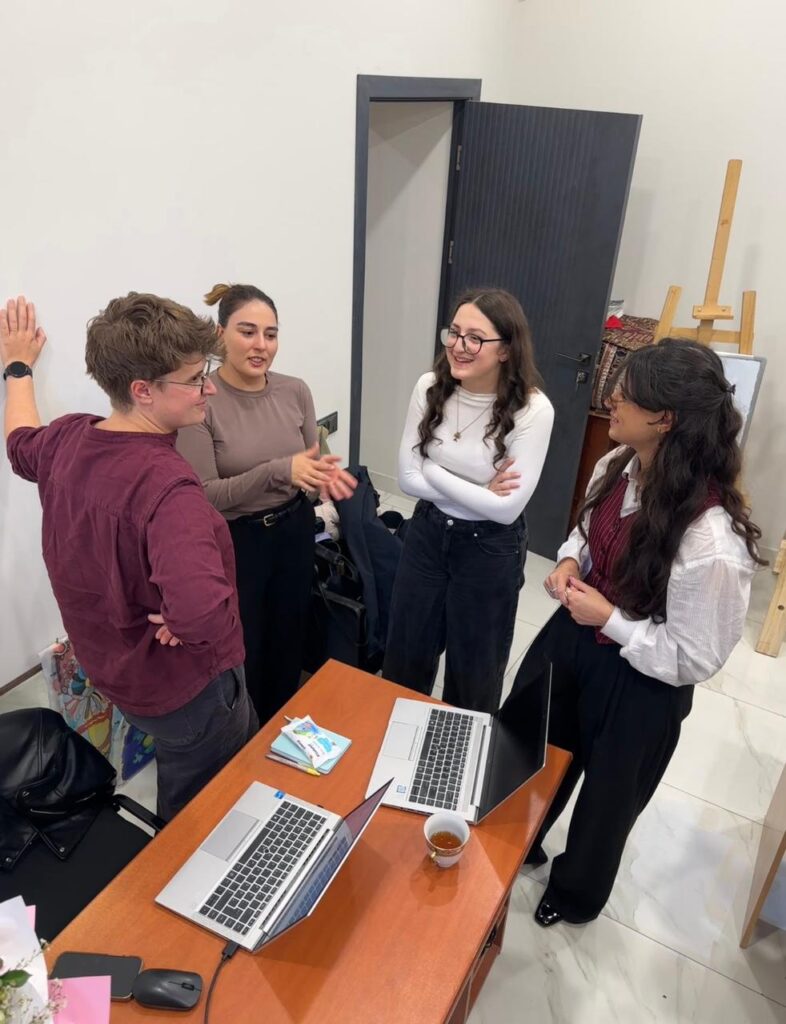
This year, as part of the international project Camp Europe, a five-day inclusive camp “Elements” was held, the participants of which were children and youth with disabilities. It was not just a vacation – it was a deep educational and entertainment program aimed at development, support and creation of an atmosphere of equality and friendship.
Each day of the camp symbolized one of the elements – fire, water, earth and air. Through creativity, games, master classes and team activities, children had the opportunity to feel the power of each element and understand that together they create harmony. The last, fifth day became a celebration of unity, because all the elements united, like the camp participants themselves – in a community where each individual is valued.


Special attention was paid to inclusivity: every child, regardless of their characteristics, had the opportunity to show their abilities, receive support from mentors and volunteers, learn new things and make friends. For many participants, the camp became a space where they first felt that their voice was important, their talents were valuable, and their presence made the team more complete.


“We created an environment where children with disabilities do not feel barriers, but on the contrary – they discover new horizons for themselves, reveal their potential and feel needed,” the organizers note.
The “Element” camp proved that inclusivity is not only about accessibility, but also about true equality, support and acceptance. This is a space where a child with a disability becomes not “different”, but an equal among peers.

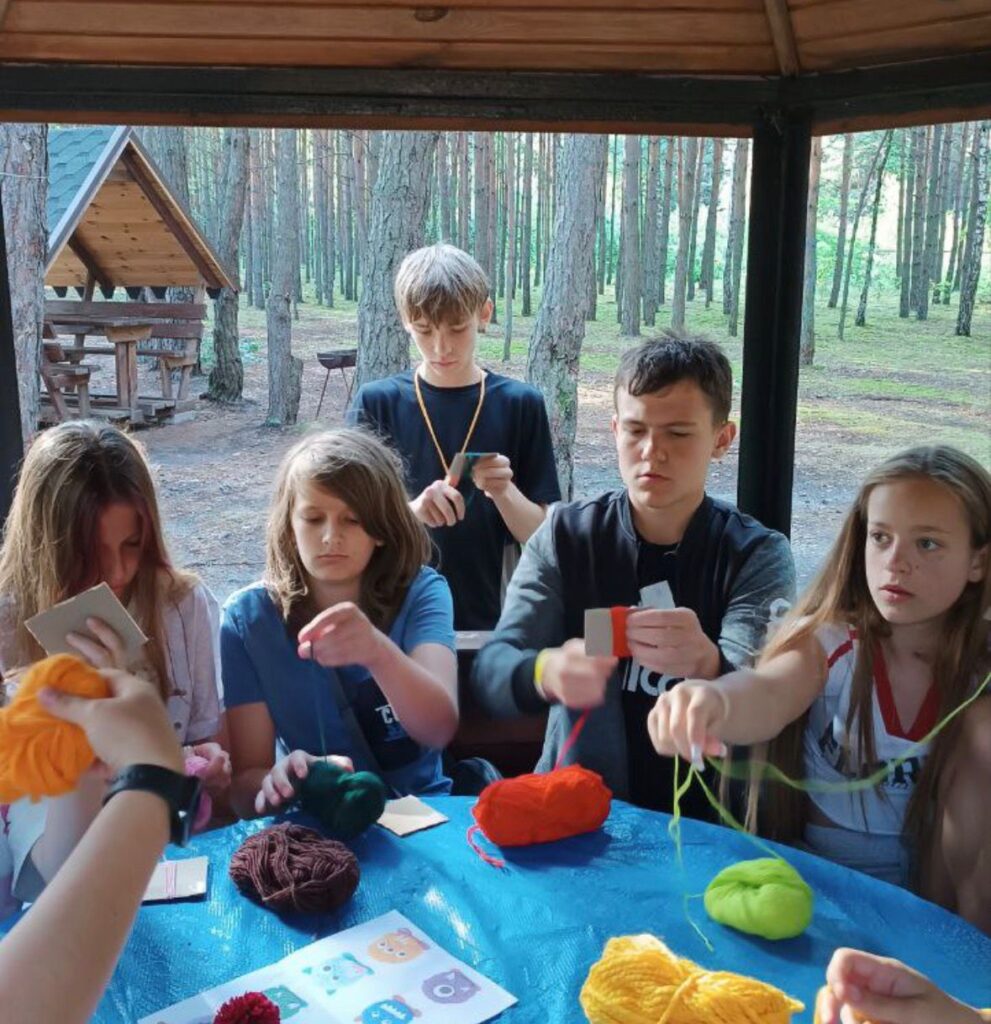
YMCA Zhytomyr: Camp “Grow from roots-2025”

The healing influence of nature, positive emotions, an atmosphere of support, creative inspiration, and physical activity are what YMCA Zhytomyr built its camp strategy for children and teenagers around. The name “Grow from the Roots” was not chosen by chance, because our mission was to show children that the basis for support for your mental health and personal growth can be your own roots: your history, your people, your culture; to show that you are not alone, not lonely, that behind each of us is a whole clan. And the place for the camp was not chosen by chance, the farmstead called “Polish Hut” preserves the spirit of ancient times, there is an old Ukrainian hut with all the equipment: a stove, a bed, benches, a chest with embroidery, and old dishes. All this helps to immerse yourself in a sense of unity with history. An important role was also played by the fact that it was in the territory of the village of Gorodske that the remains of the ancient Trypillya culture were found.


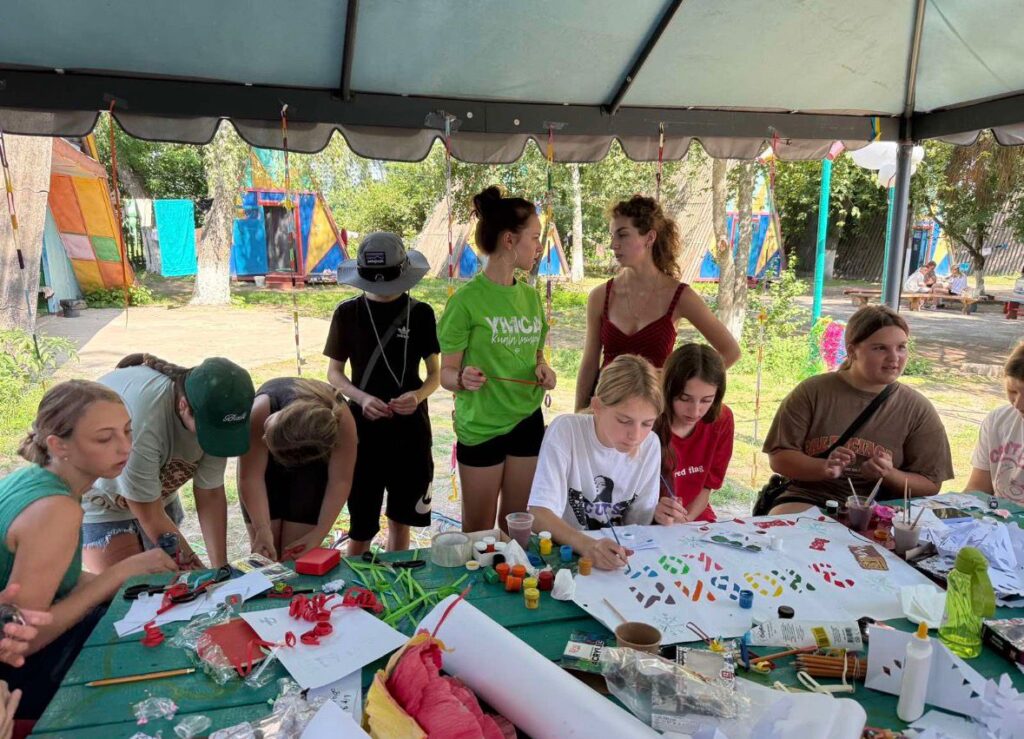
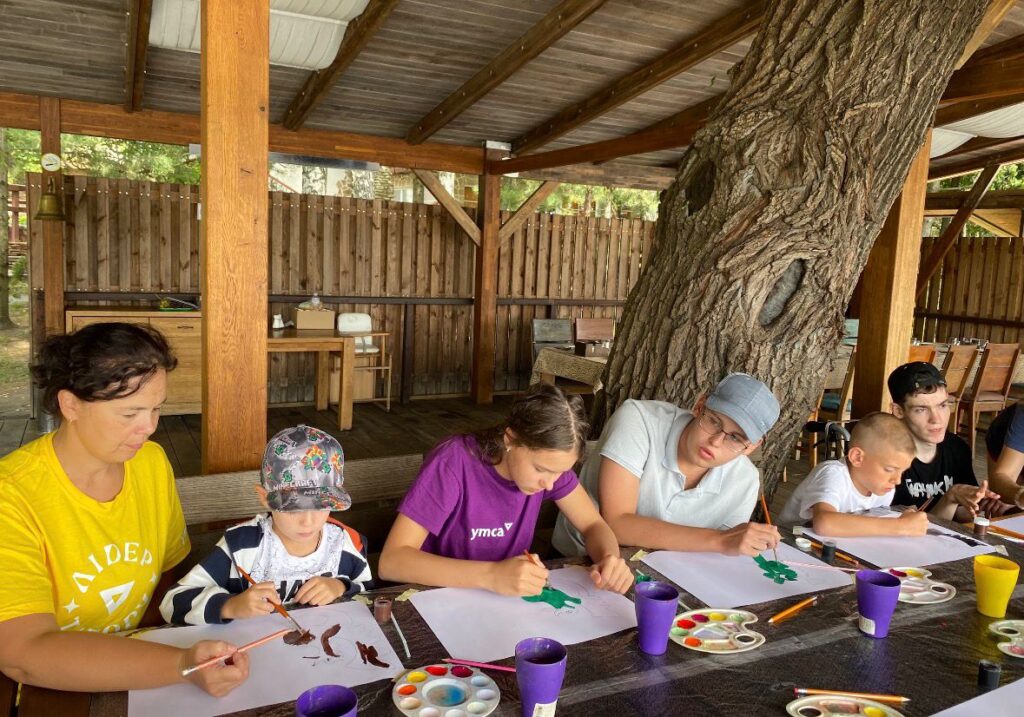
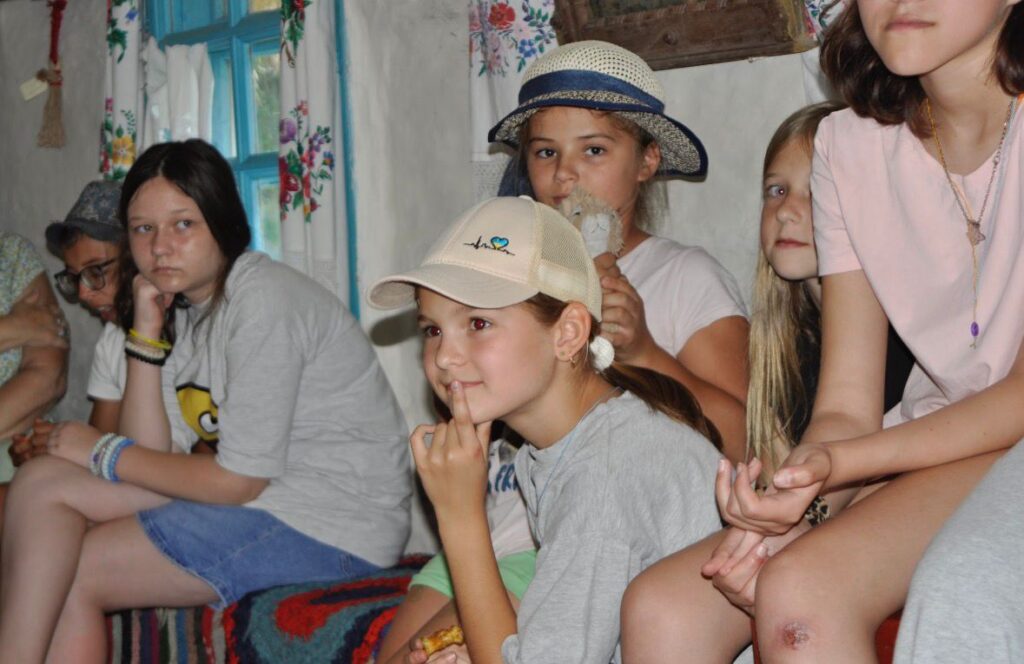
During the camp, the children learned new things about the history of their native land, sang old songs, studied tanks, and learned to weave wreaths. After visiting the Museum of Trypillya Culture, they made amulets for themselves and their relatives from clay, trying to recreate ancient signs seen during the excursion. After visiting the Khatyna of artist Yuri Kamyshny, they learned artistic painting on textile products. This way, we combined the development of the mind and spirit. Sports games and physical activities (trampoline races, tubing down the slide), as well as helping the owners of the farm in the field, helped to take care of the body.


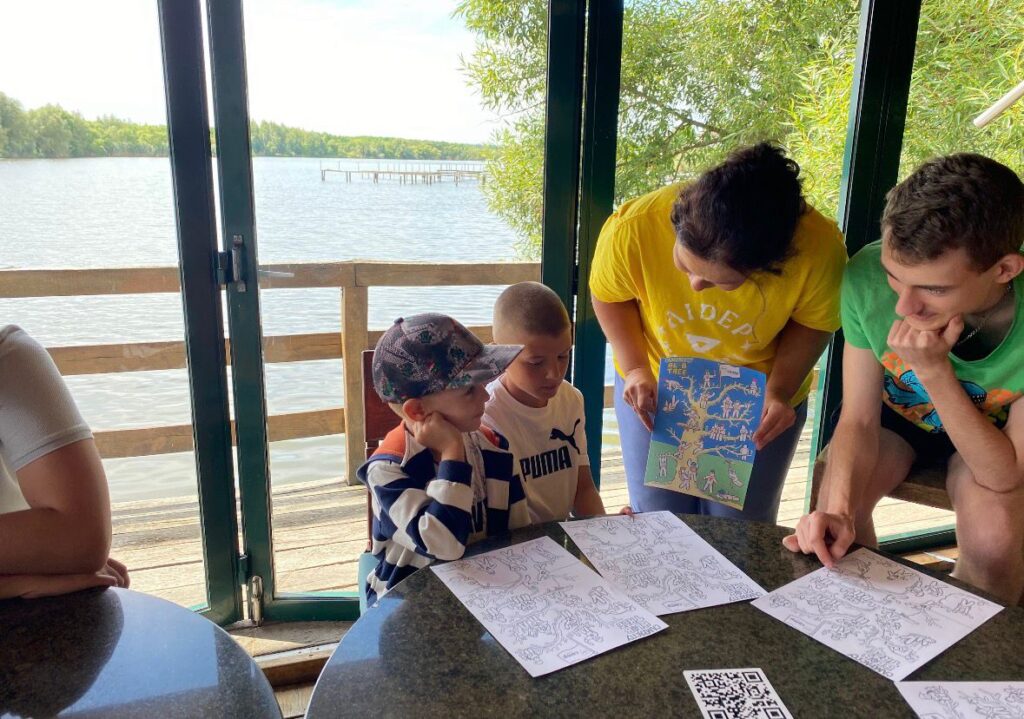
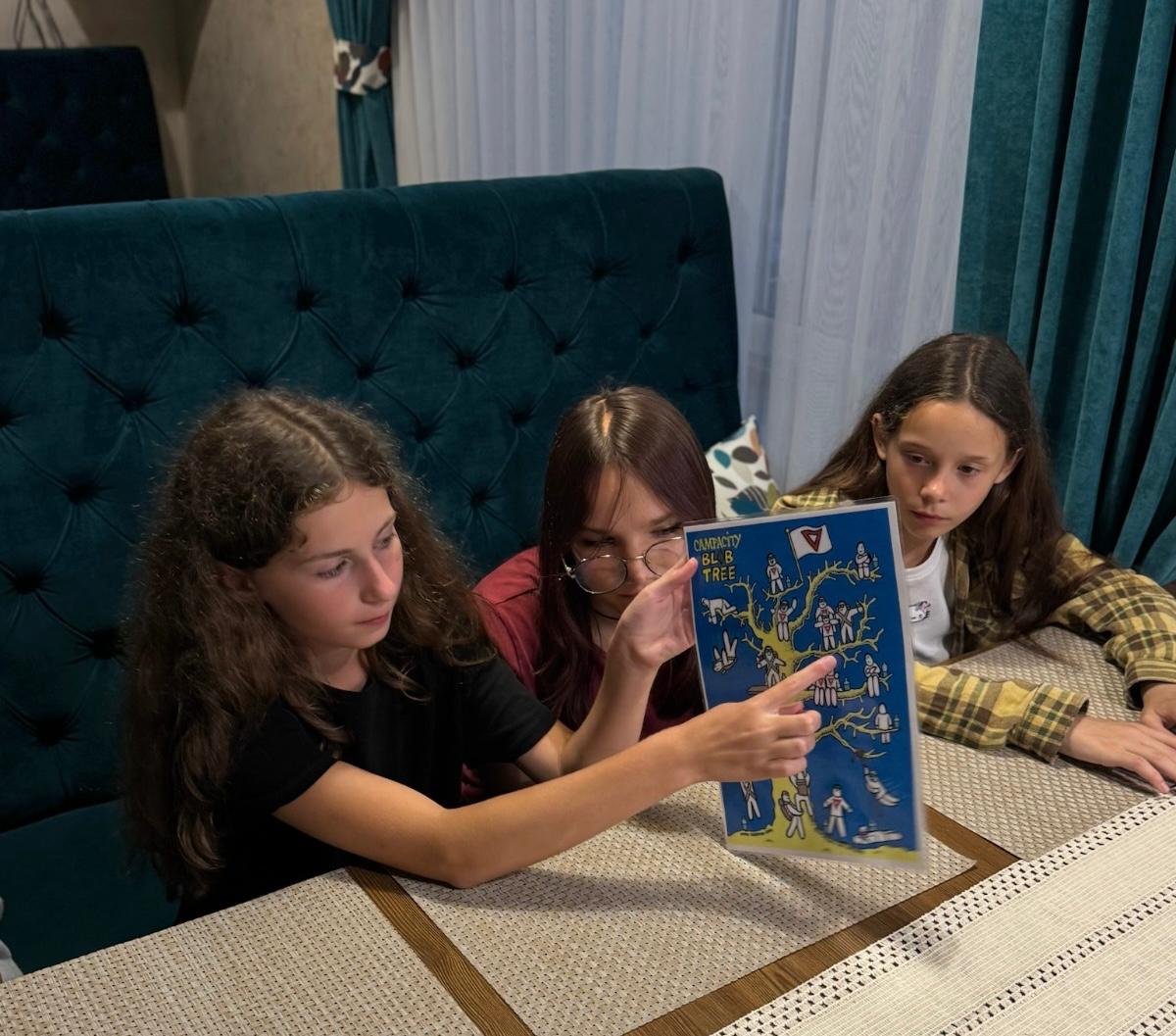
This year, the camp was attended by children from the city and local children from the village, who joined in the daytime activities. It was interesting to watch the children communicate, how they gradually became closer and became friends. The psychological state of the children was helped by tracking the Blob tree and providing support to those who need it most.
The experience of children independently preparing numbers for the concert was interesting, when everyone could reveal themselves, their leadership qualities and creative talents. This year, for the first time, we had camp leaders among teenagers, who did 100% and next year we will definitely invite them again. It is nice to see how both the leaders and the camp participants still maintain contact, gathering for Saturday meetings at the YMCA, because it is so important not to lose your people in this wide world.

You Are Not Alone Camp: A Week of Connection in the Carpathians

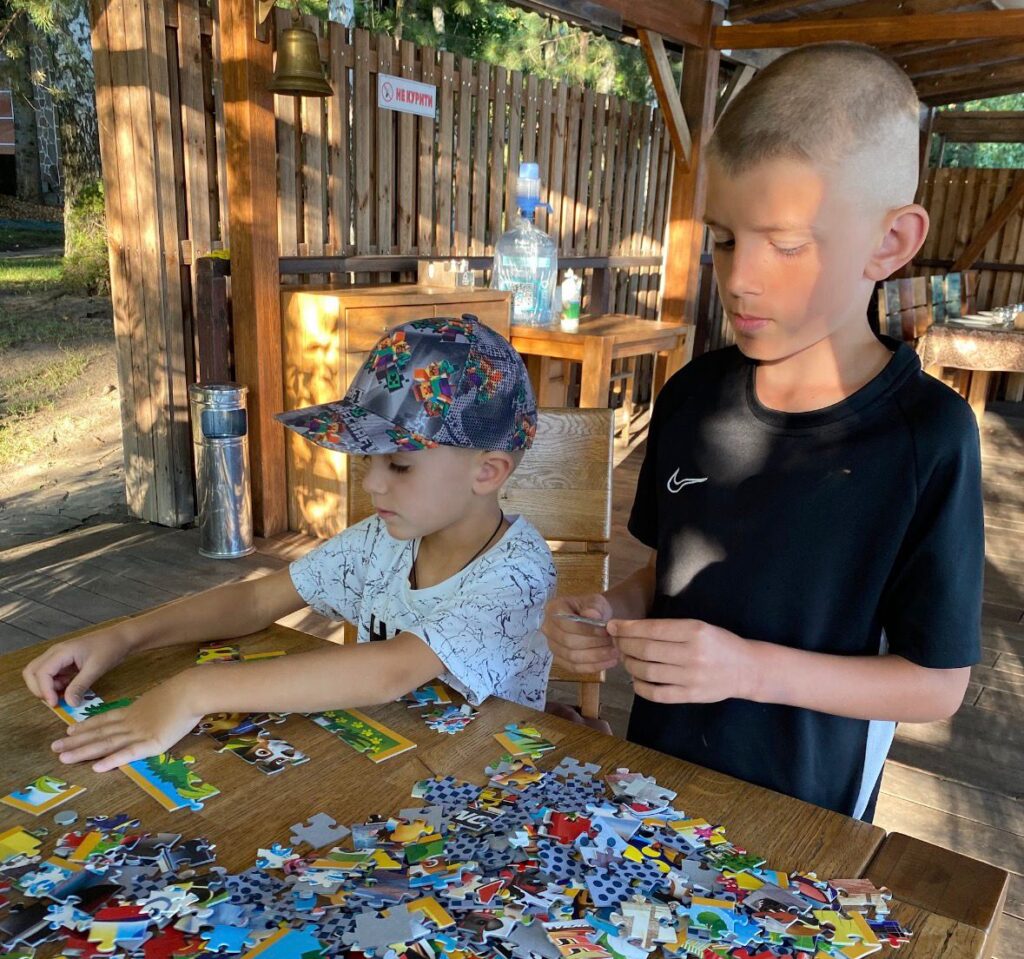
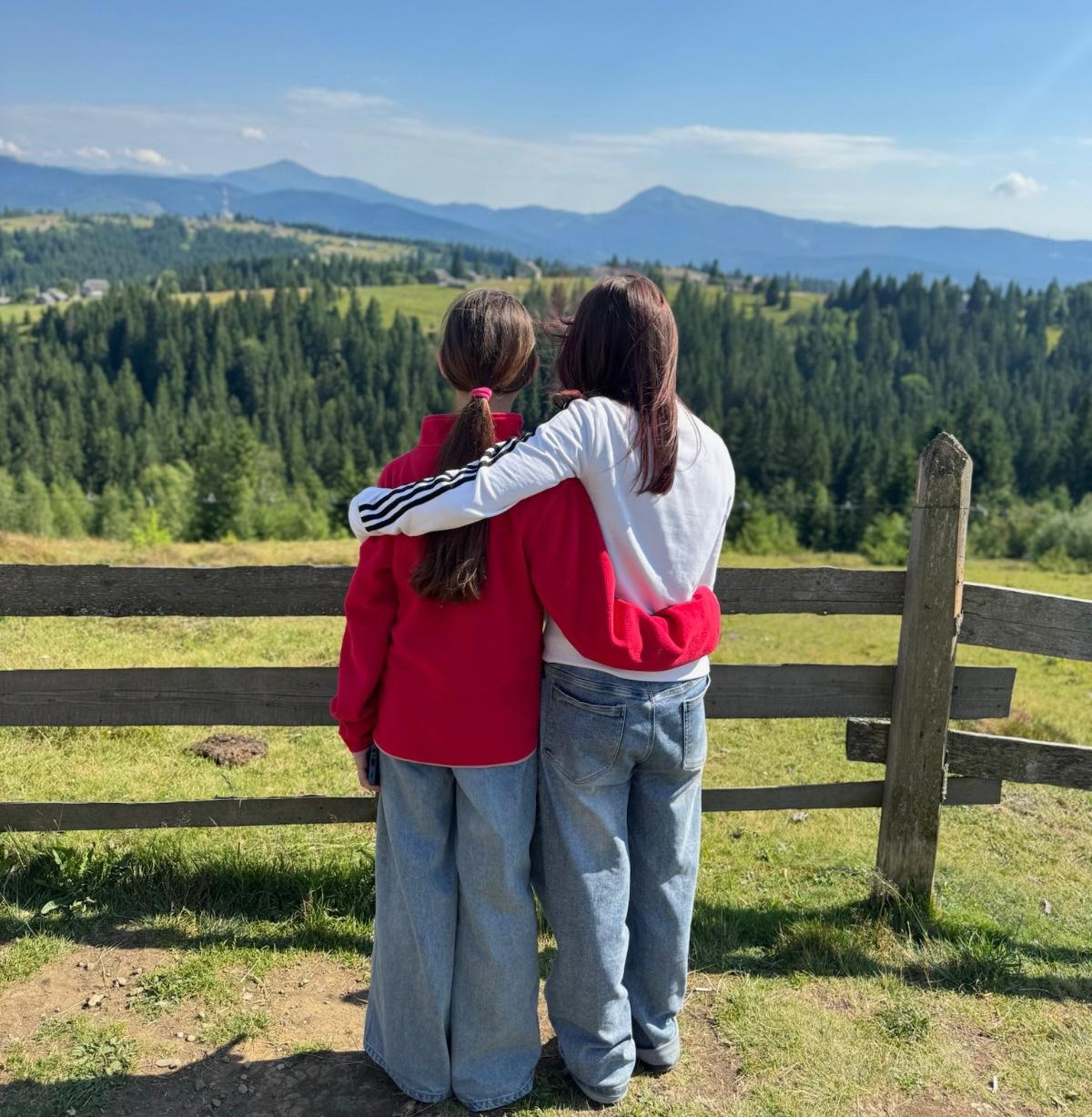
This summer, the You Are Not Alone – Mini camp brought together children from socially unprivileged families for an unforgettable week in the breathtaking Carpathian Mountains. For many of them, it was the very first time they had ever seen the mountains — the mist-covered peaks, the endless forests, and the pure mountain air became a magical backdrop to a week that was about so much more than just activities.

While we had prepared games, workshops, and creative projects, it quickly became clear that the children needed something far deeper — genuine communication, friendship, and the feeling of being heard. Many of them live in situations where material goods are scarce, but what they miss even more is consistent emotional support and connection. Around the campfire, during morning hikes, or over shared meals, they opened up to each other and to the leaders, forming bonds that felt like family.

The feedback from the children was heartwarming and humbling.

“I didn’t know people could listen like this,” one camper said quietly after an evening talk.

Another shared, “I thought I would come here to play games, but I found friends instead.”

The You Are Not Alone – Mini camp was a reminder that sometimes the greatest gift we can give is not a material present, but our time, attention, and a safe place to belong. The Carpathians gave them beauty to remember — but it was the people who gave them the memories that will last.

A Beacon of Hope: Ukrainian Children Find Joy and Growth at YMCA Georgia Camp Europe Project Summer Camp

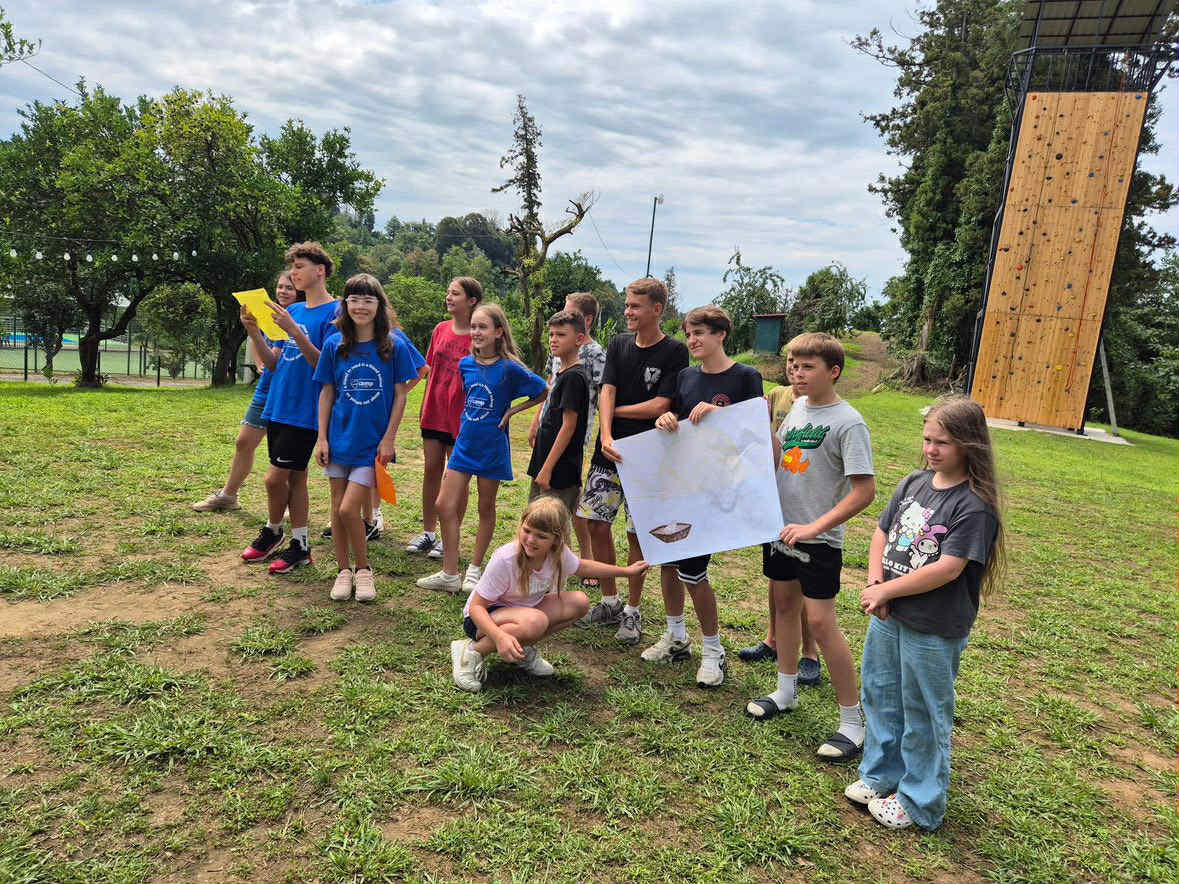
Amidst the ongoing challenges faced by their homeland, 32 Ukrainian children found a week of pure joy, friendship and personal growth at the YMCA Georgia “Camp Orange” summer camp “A Friend in Need is a Friend Indeed” organized within “Camp Europe” project. From August 8th to 14th, 2025, the picturesque camp grounds transformed into a vibrant haven, carefully designed to offer a safe space where each participant could thrive and discover their full potential.

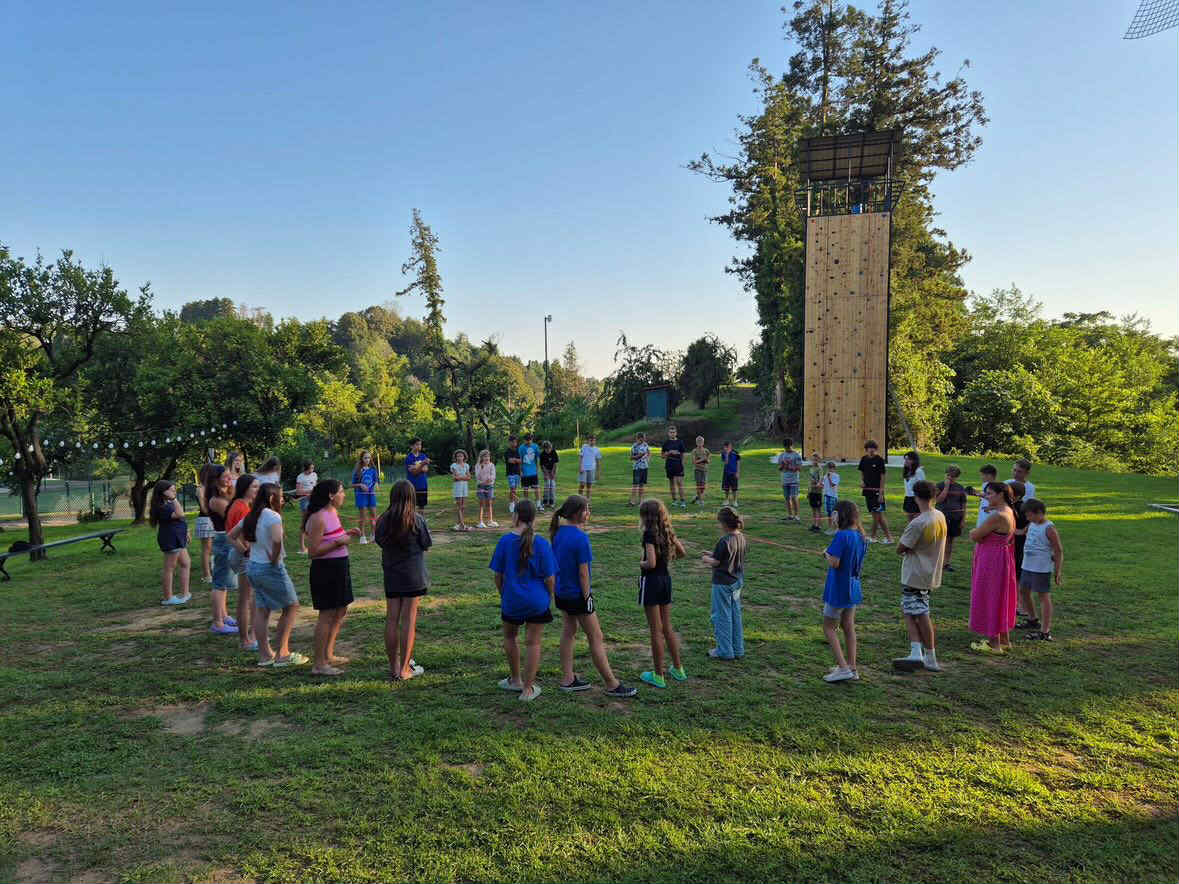
The program at YMCA “Camp Orange” was really entertaining, having a diverse list of both outdoor and indoor activities that captivated and engaged every child. From the thrill of conquering the climbing tower to the refreshing splash of pool swimming, every moment was filled with excitement and new experiences. With archers mastering their aim and many of the mini-golf players trying their luck in the sport for the first time. The entire campground served as a busy hub of activity, hosting various events that fostered teamwork and healthy competition.

Beyond the camp’s boundaries, the adventure continued with a hiking trip to a nearby National Park, allowing the children to connect with Georgia’s stunning natural beauty. The highlight for many was undoubtedly a memorable visit to the sea, where all the participants had something fun to engage into: be is swimming, building sandcastles or playing ball on the beach.

But it wasn’t just about the activities, it was about the atmosphere. The dedicated YMCA staff worked tirelessly to create an environment where every child felt secure, valued and empowered to express themselves. The smiles on the children’s faces were a testament to the success of the program, reflecting a profound sense of happiness and safety throughout their stay.

One participant, 12-year-old Olena, perfectly expressed the sentiment of the entire group: “I felt so safe and happy here. I loved climbing the tower and swimming in the pool, but most of all, I loved making new friends. I wish I could stay forever!”

“A Friend in Need is a Friend Indeed” Summer Camp for Ukrainian children stands as a powerful example of compassion and support. It provided not just a temporary escape, but a vital opportunity for these young individuals to experience normality, build resilience and create cherished memories that will undoubtedly light their path forward. The success of this initiative underlines the importance of fostering such empowering experiences, demonstrating that even in challenging times, hope and joy can flourish.