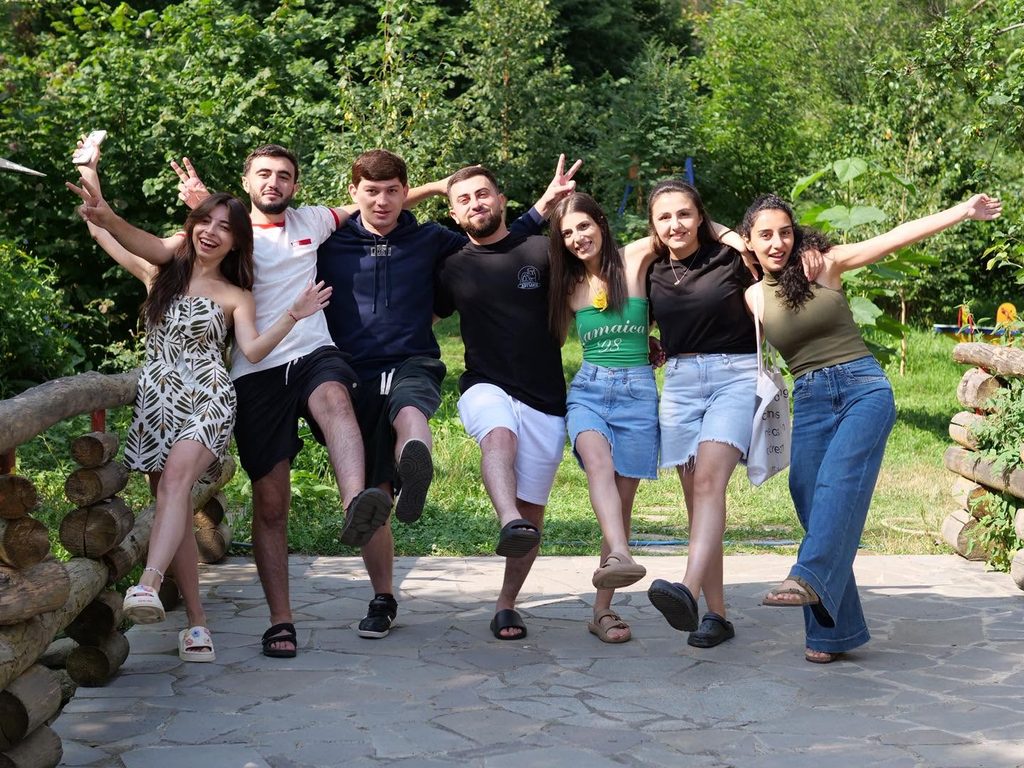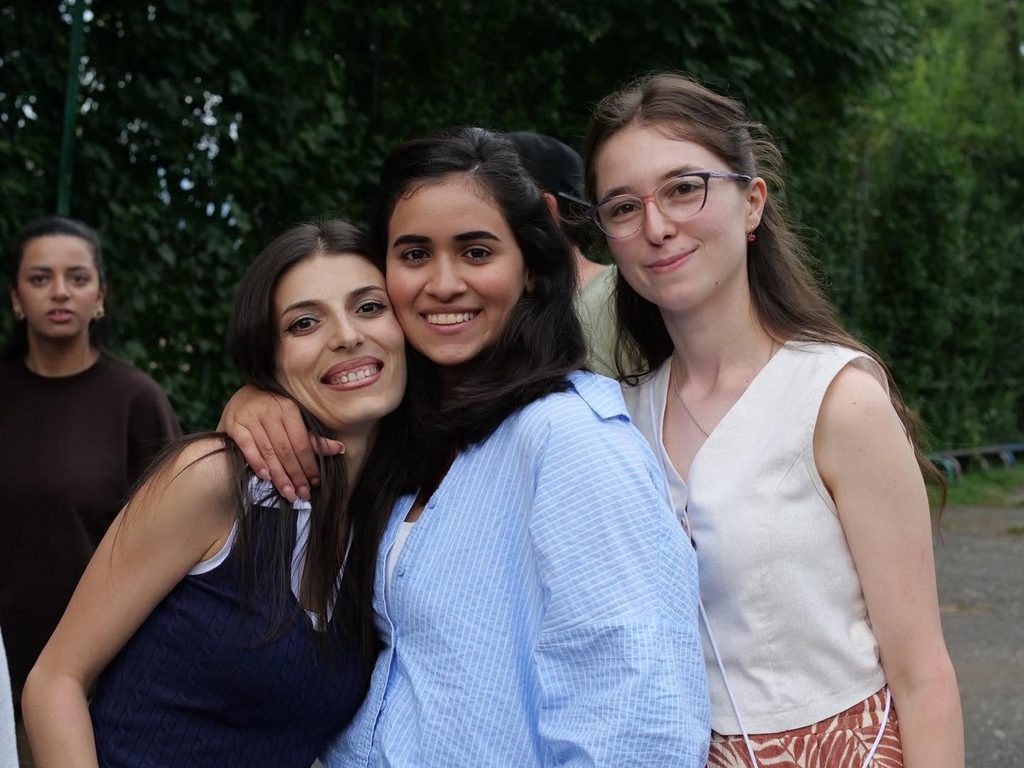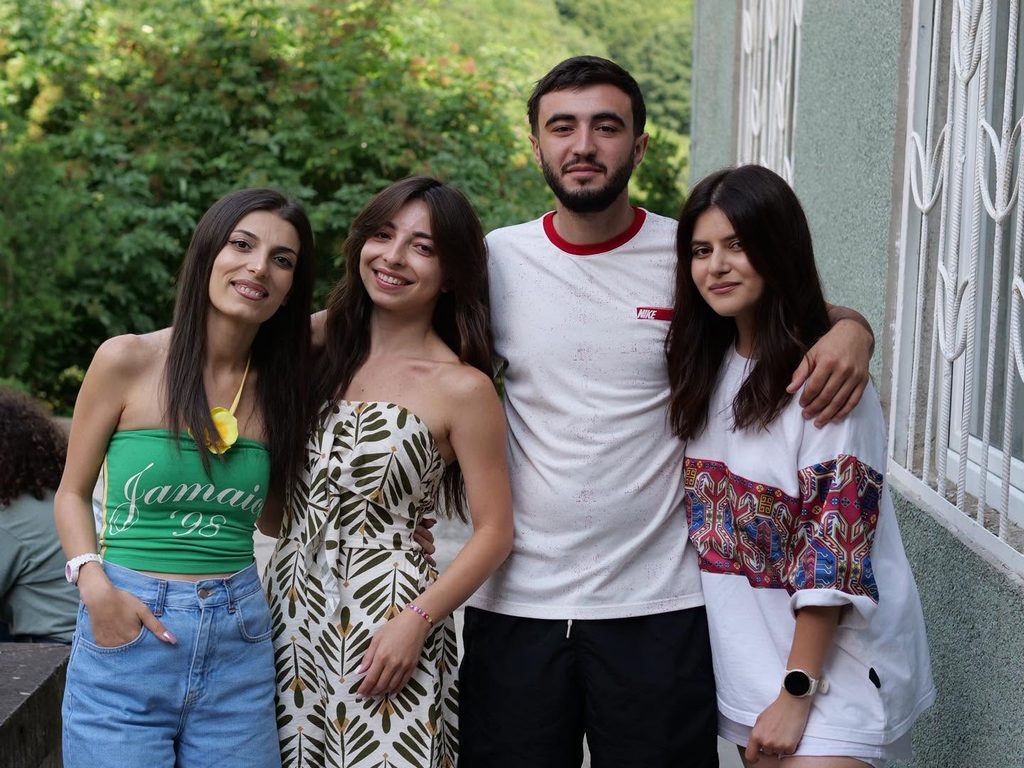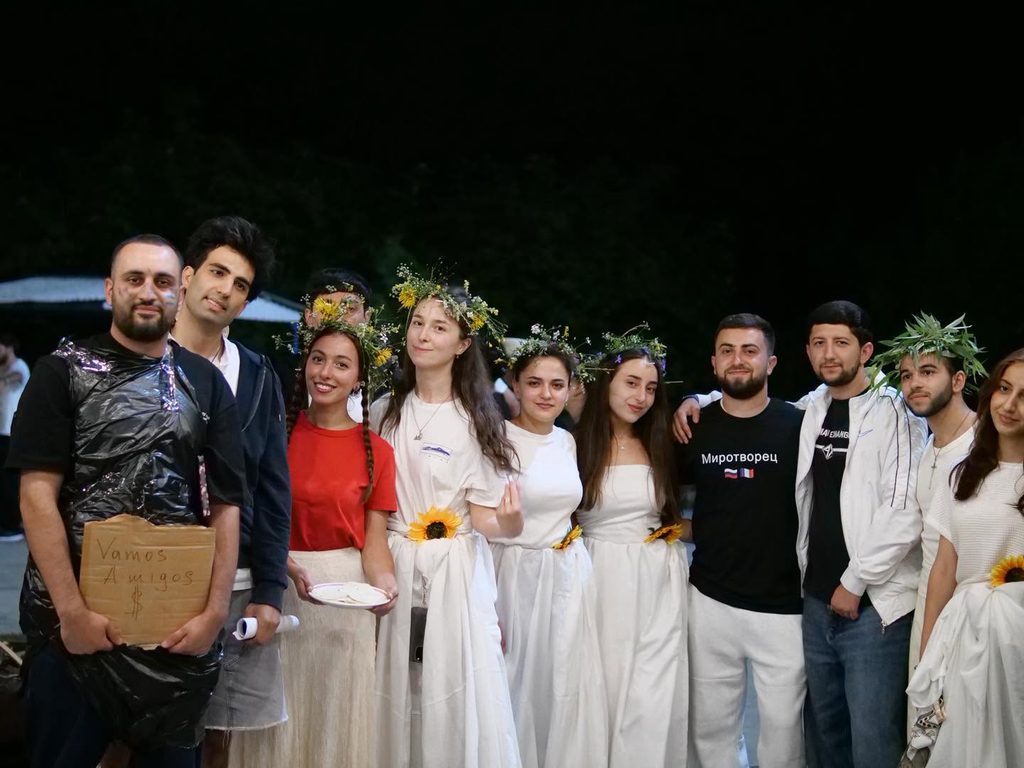
From September 18 to 22, 2026, the historic city of Valletta, Malta, served as the venue for the Roots Expert Pool meeting. Bringing together 25 participants (13 female) from 15 countries representing all four cohorts of the YMCA Roots Peace Work Institute (PWI), the three-day event was an intense, inspiring and impactful blend of reflection, celebration and forward-looking peacebuilding.
Despite the compact timeframe, the participants still managed to accomplish a lot – demonstrating once again the dedication and vitality of the Roots network.
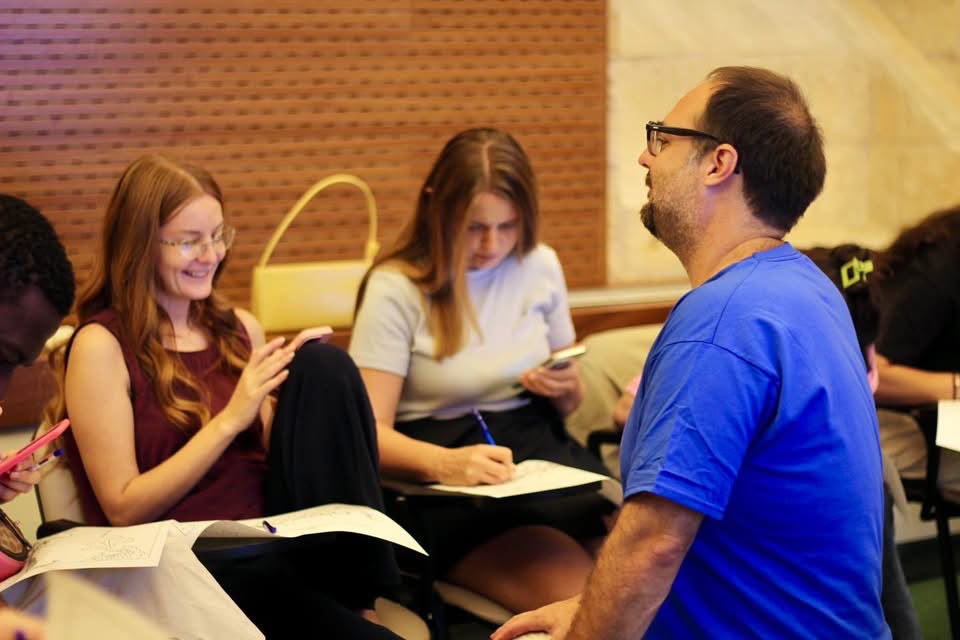
A central pillar of the meeting was a focus group workshop within the framework of the external evaluation process of the Roots project, facilitated by Ramon Tena Pera. Alumni reflected on the journey of the Peace Work Institute, analyzing successes, identifying key lessons learned and assessing the broader impact of Roots initiatives across Europe and beyond. These discussions provided critical insights that will help shape the outcomes and recommendations designed to steer future YMCA peace-building initiatives within the framework of the Roots Ecosystem.. To ensure maximum transparency and avoid certain inconvenience, this particular session was implemented without the presence of project staff members.
The gathering coincided with a monumental milestone: the 50th anniversary of YMCA Malta. The Expert Pool had the privilege of becoming an integral part of these historic celebrations. Participating in the anniversary events allowed alumni to connect with local community leaders, celebrate five decades of impactful youth work on the island and experience the rich legacy of YMCA Malta.
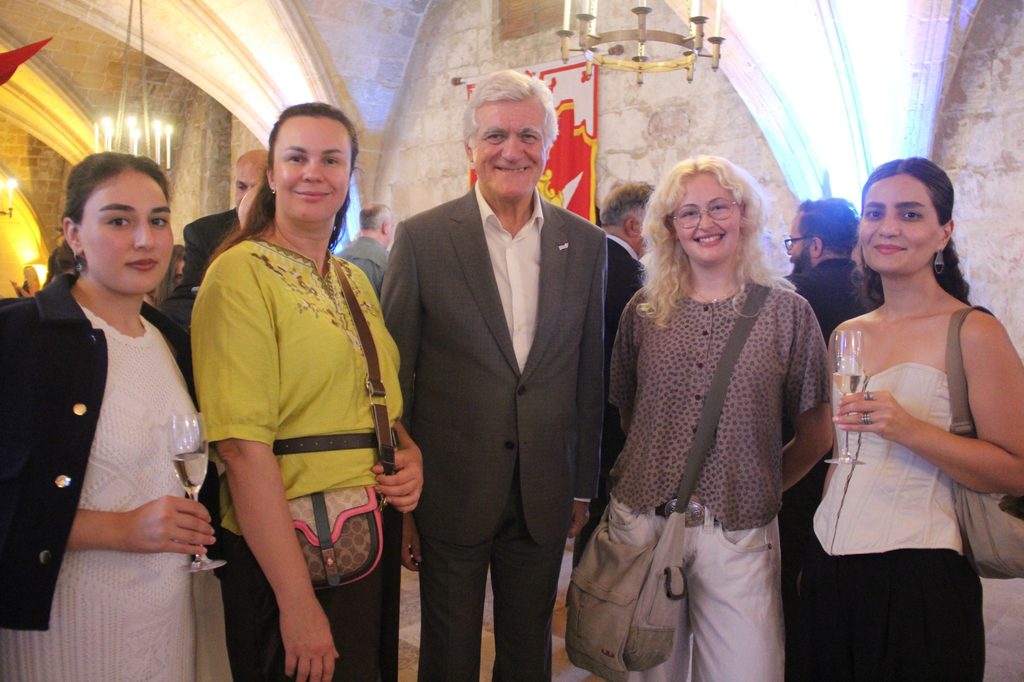
Having Emma Osmundsen, President of YMCA Europe and Juan Simoes Iglesias, Secretary General of YMCA Europe present at the event and engaged in the evaluation process brought invaluable strategic weight and extended visibility to the initiative. Their executive presence signaled strong institutional alignment and commitment from the European movement, affirming the significance of the work being reviewed.
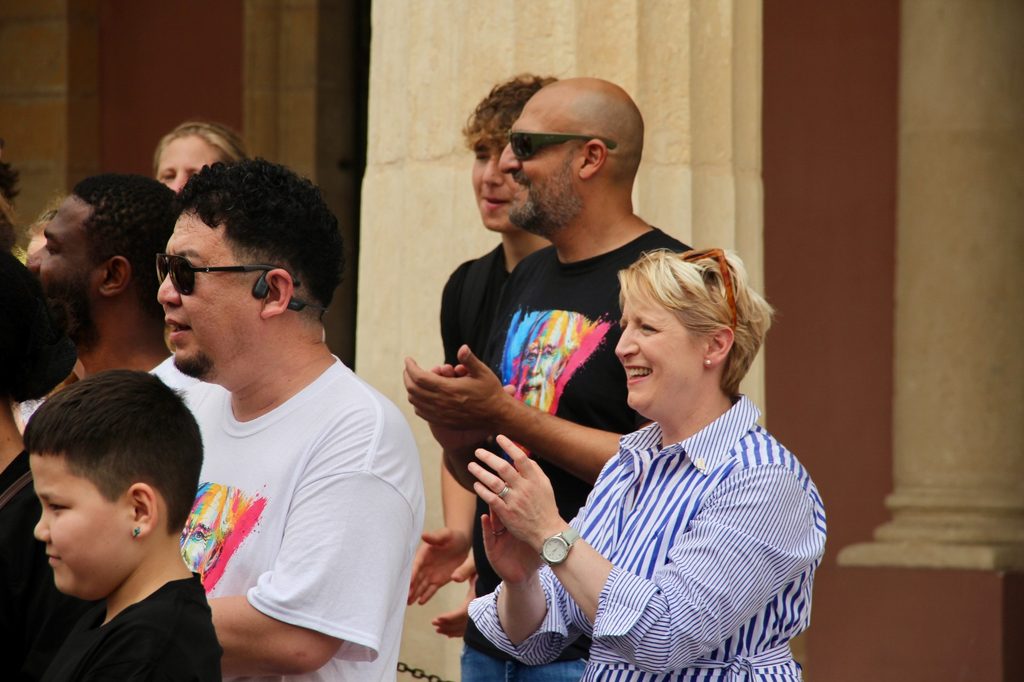
No visit to Malta would be complete without experiencing its unique heritage and landscapes. Participants took time to explore the island’s breathtaking coastal scenery and traveled back in time with a visit to the majestic silent city of Mdina. Walking through the ancient, stone-walled streets offered a moment of quiet reflection and strengthened the team spirit outside the formal session setting.
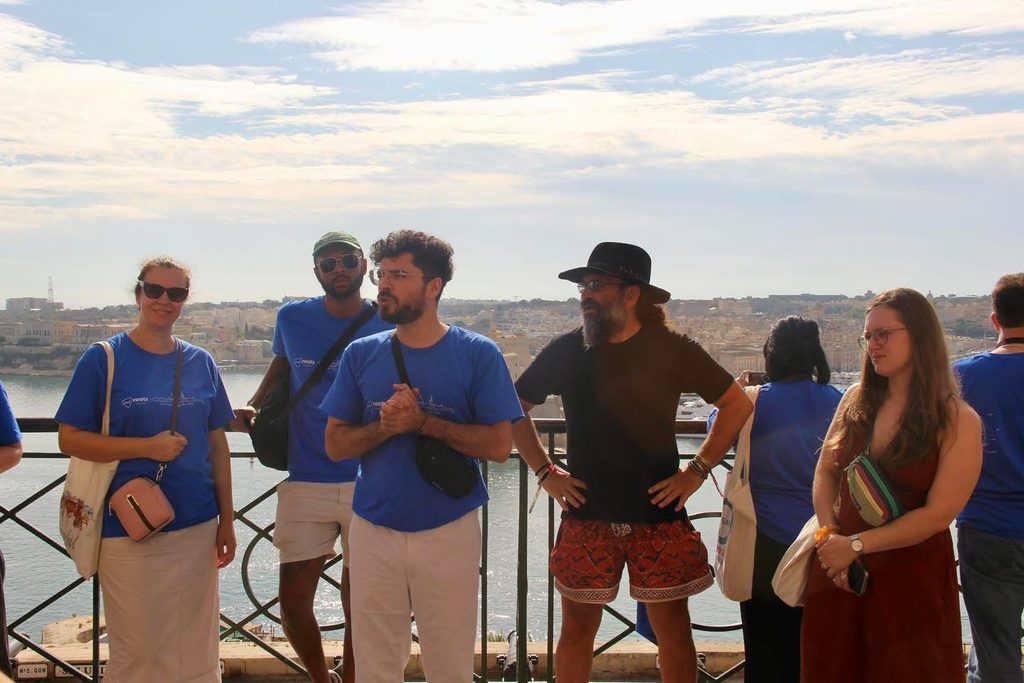
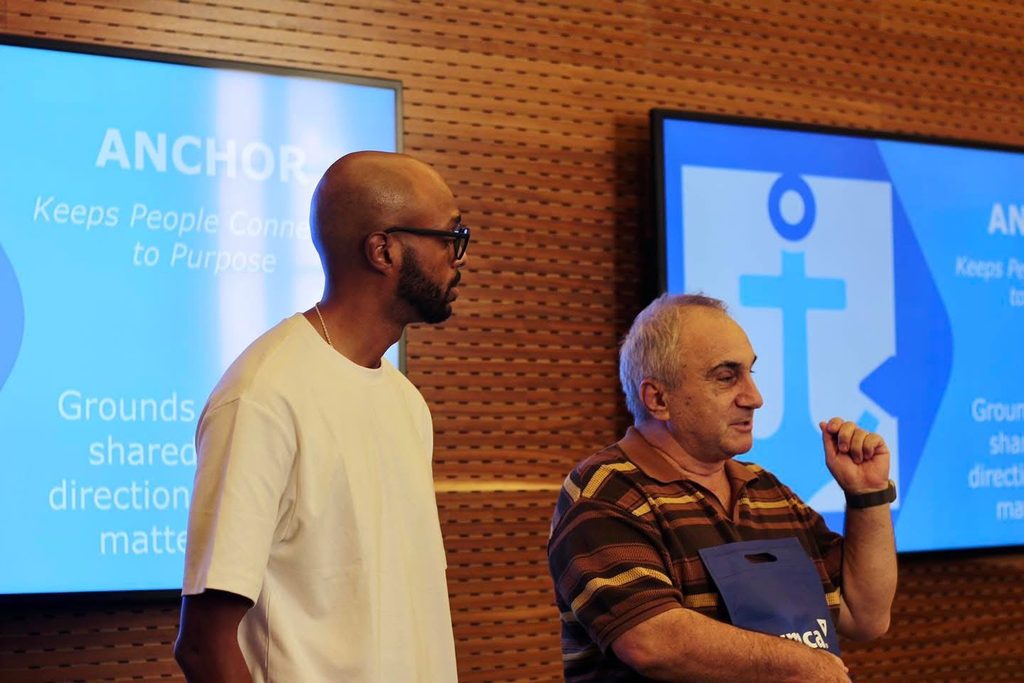
The agenda was further enriched by global perspectives on conflict transformation. A three-hour workshop on the YMCA of the USA Bridge-Building Blueprint toolkit led by Ean Addion equipped participants with practical tools for active listening, de-escalating polarization and fostering constructive dialogue across divides; “From Knights to Republic” Democracy Walk guided by Jean Paul Mifsud (in collaboration with the Paris Centre for Democracy) traced Malta’s transition from autocratic rule to a constitutional republic while visiting Valletta’s key decision-making centers; “Democracy Dinner” gave the opportunity to the invited guest speakers to deliver a global overview on how civil society and youth movements can defend democratic space amidst geopolitical instability; while the Marketplace provided the space for participants to showcase their local and regional projects, exchange methodologies and forge new partnerships to advance peacebuilding across the network.
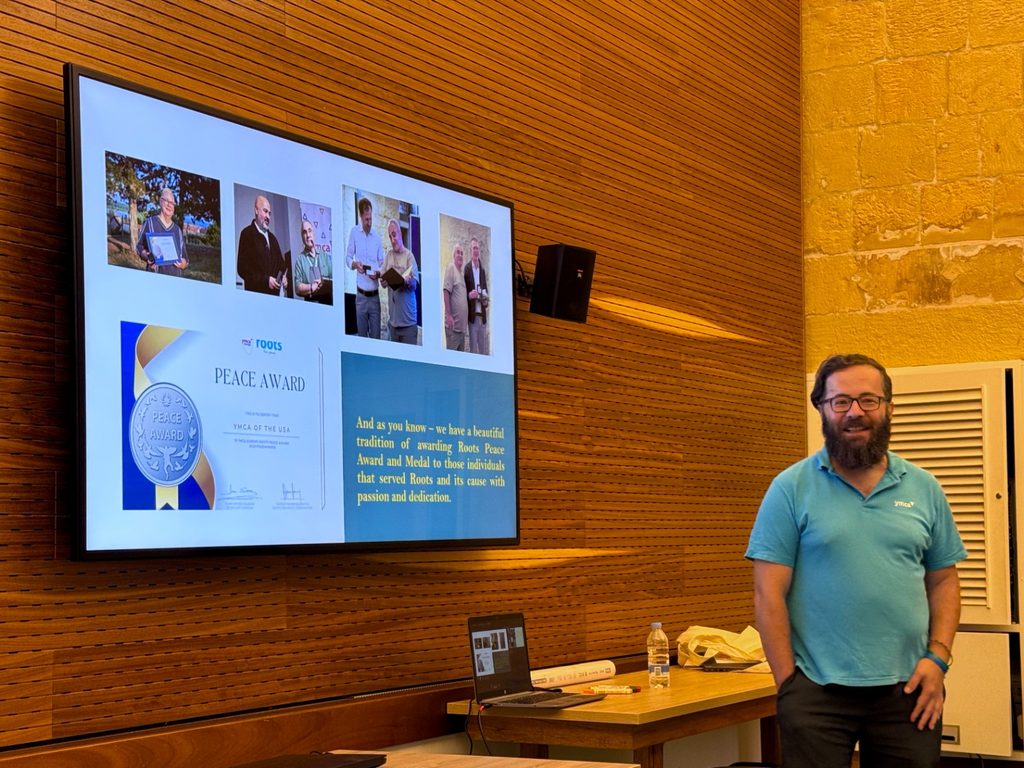
As part of the program, the Expert Pool endorsed the upcoming recipient of the upcoming Roots Peace Award and Medal, Gela Chikhradze from YMCA Georgia. This prestigious award honors individuals whose extraordinary dedication reflects the core values of peace, reconciliation and human dignity within the YMCA movement and beyond.
As the meeting drew to a close, there was a shared realization that while this specific Expert Pool journey may officially conclude, the spirit of solidarity remains stronger than ever. The bonds of friendship and professional trust built across borders and PWI cohorts will undoubtedly endure for years to come.
Because, in the YMCA family we never truly say goodbye — it is and always will be, “Thanks and See You Later!”