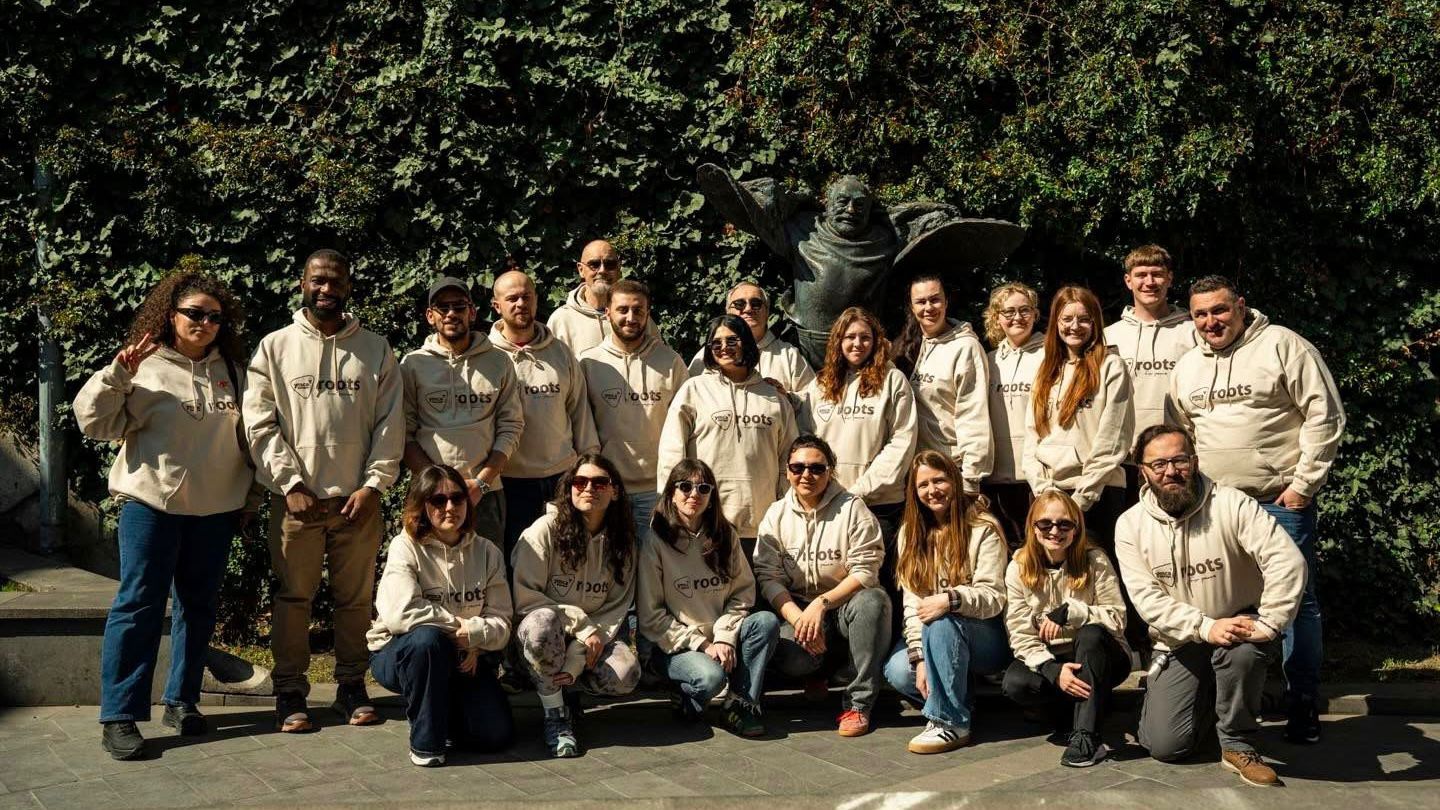
From March 15 to 21, 2026, the historic city of Tbilisi, Georgia served as a host for the next generation of peacebuilders. The Roots Peace Work Institute (PWI) successfully held its second session, bringing together over 20 young leaders from 10 European countries.
Building on the foundation laid during their first meeting in Dresden, Germany, participants arrived with a singular mission – to transform raw project ideas into actionable plans for a relevant impact in their respective communities.
The curriculum focused on diving deeper in several appropriate tools and methods to better understand the root causes of tension. Key highlights included:
- What is Conflict and What is Violence: To distinguish between natural disagreements and destructive behaviors.
- The Seven Lessons of “Do No Harm”: Navigating the seven essential lessons to ensure humanitarian and peace work doesn’t inadvertently worsen local tensions.
- Conflict Analysis Tools: Utilizing professional frameworks to map stakeholders and power dynamics.
- Dividers and Connectors: A rigorous peer-feedback exercise where project ideas were tested against their ability to bridge the gaps rather than widen them.
Specialized workshops also introduced the Resource Transfers tool and the RAFT principle (Respect, Accountability, Fairness, and Transparency), ensuring that project is always led by ethical practice.
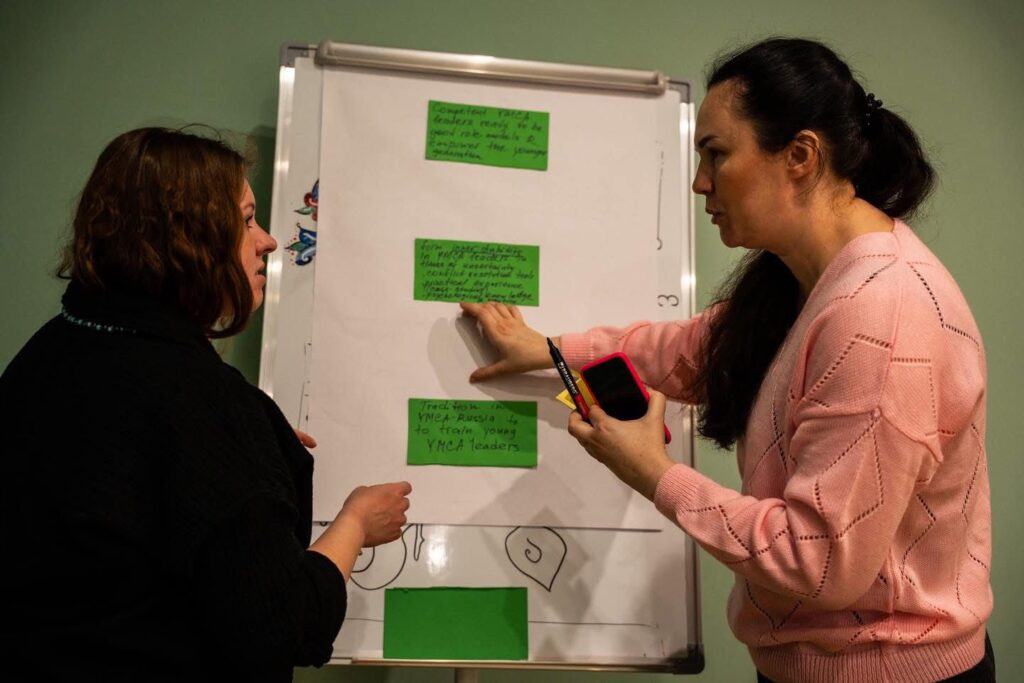
The week of learning and growth was capped with presentations of their work from each group – reflecting the learning and skills attained during the session.
Peacebuilding is as much about understanding culture as it is about various tools. To better understand the local context, the group participated in a City Quest Day, navigating the streets of Tbilisi in assigned groups to discover its rich, multicultural history—a testament to centuries of coexistence.
The group also visited YMCA Georgia, gaining insight into the organization’s local programs. By discussing the real-world challenges and opportunities faced by Georgian young leaders, participants gained a pragmatic perspective on sustaining NGOs in complex environments.
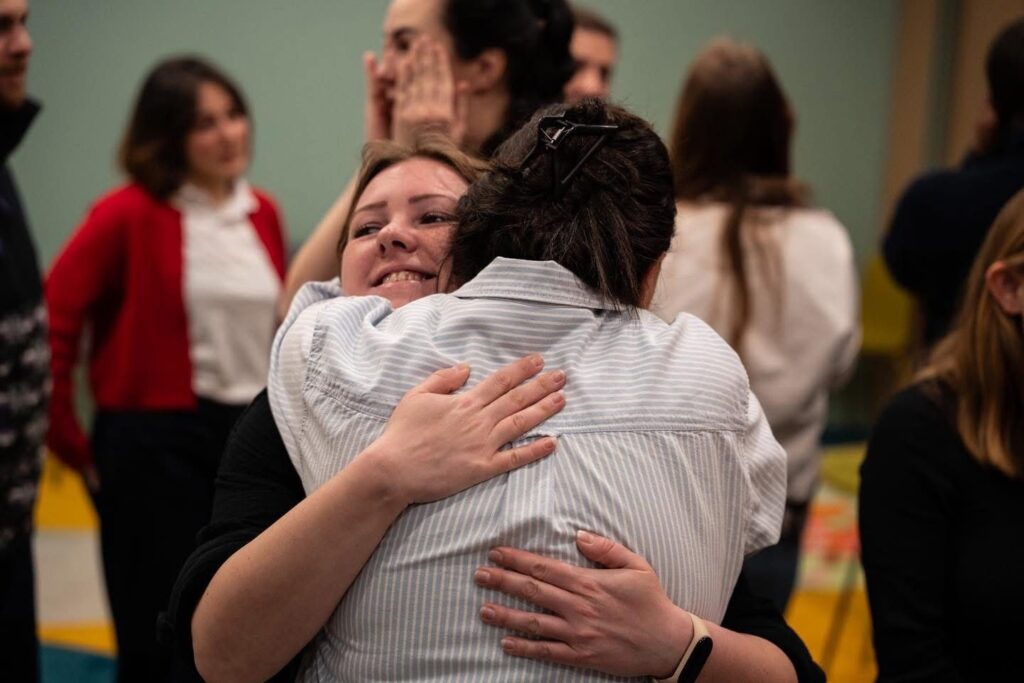
The session also featured interactive and high-energy activities:
- The Marketplace: A vibrant exchange where participants shared personal stories of the impact they are making in their home communities.
- The “Fishing or Breeding” Game: An educational simulation that challenged participants to reflect on sustainability and how human behavior impacts shared environments and resources.
- Home Groups: Daily small-group reflections allowed for personal processing and ensured every voice was heard before returning to the plenary for collective feedback.
As the participants are now back to their countries, they carry more than just memories of Georgian hospitality. They return as empowered peacebuilders, equipped with the technical tools and inspiration necessary to foster a more cohesive and peaceful Europe!